
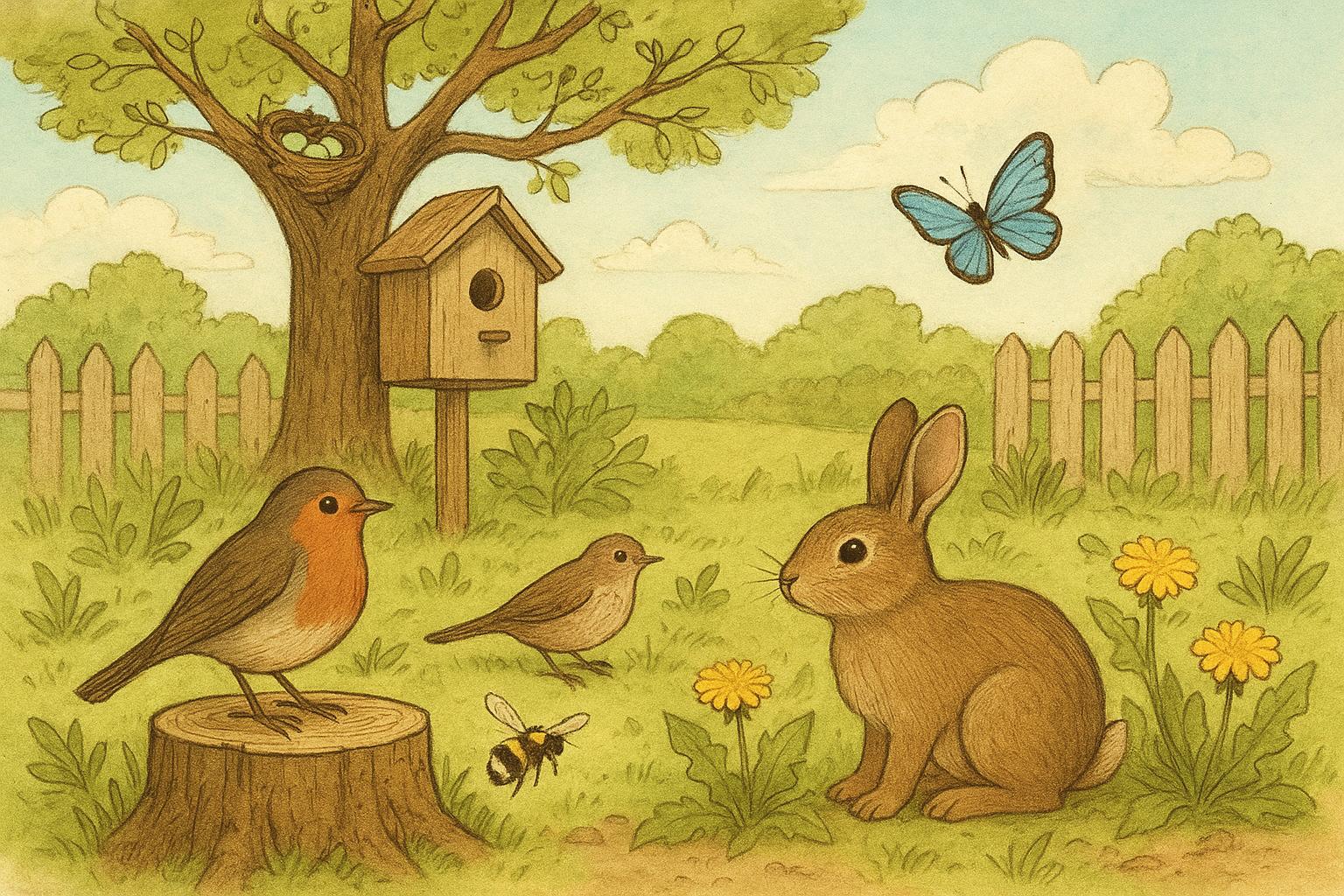
## Springtime Wildlife Habitat Boost For Home Landscapes
You don’t have to gut your yard to make it better for wildlife. Small, targeted moves in early spring get more birds, pollinators, and small mammals through the season, and they make your outdoor space feel alive. This is about being practical: what to change now, where to focus effort, and how to keep things tidy without erasing the benefits.
## Why A Springtime Wildlife Habitat Boost Matters
Spring is when animals are hungry, nesting, and moving. If you give them food, water, and cover early, you shift the odds toward more successful nests and more frequent visits. That translates to seeing more songbirds at the feeder, more native bees on flowers, and fewer pest outbreaks because predators are in place to help. A springtime wildlife habitat boost is not just feel-good work — it changes the ecological balance in your yard.
### Start With A Simple Plan
Pick two or three goals for the season: increase native blooms, add a water source, or create nesting options. Trying to do everything at once leads to projects that stall. A focused plan makes the work manageable and measurable.
#### Choosing Priorities
Choose priorities based on what’s already in your yard. If you already have trees but no understory, focus on shrubs and perennials. If your lawn is the main feature, consider converting one small patch to a mixed native planting. That patch will serve as a stepping stone for insects and small birds.
## Practical Steps To Boost Habitat This Springtime Wildlife Habitat Boost
A few practical tweaks give the biggest return. These aren’t exotic projects; they’re the kind of low-friction changes you can do on a weekend.
### Plant Native And Bloom In Sequence
Native plants support native insects. Pick species that flower at different times so something is in bloom from early spring through late fall. Early-blooming native shrubs like serviceberry and redbud feed pollinators when few other options exist.
– Put at least a third of your new plantings on a sunny edge.
– Group plants in clumps for better visibility to pollinators.
This targeted planting strategy is central to any spring wildlife habitat boost.
### Provide Water The Right Way
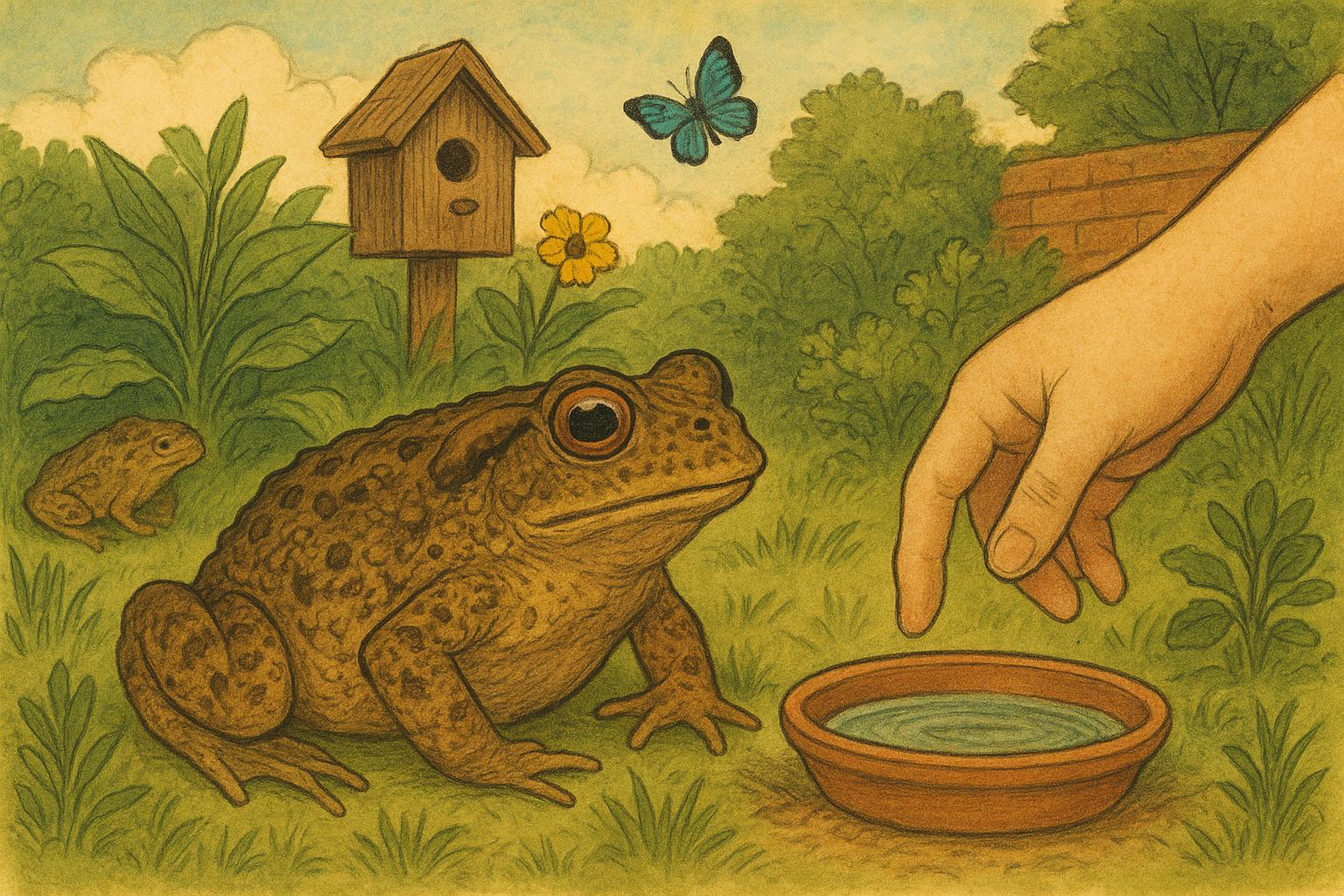
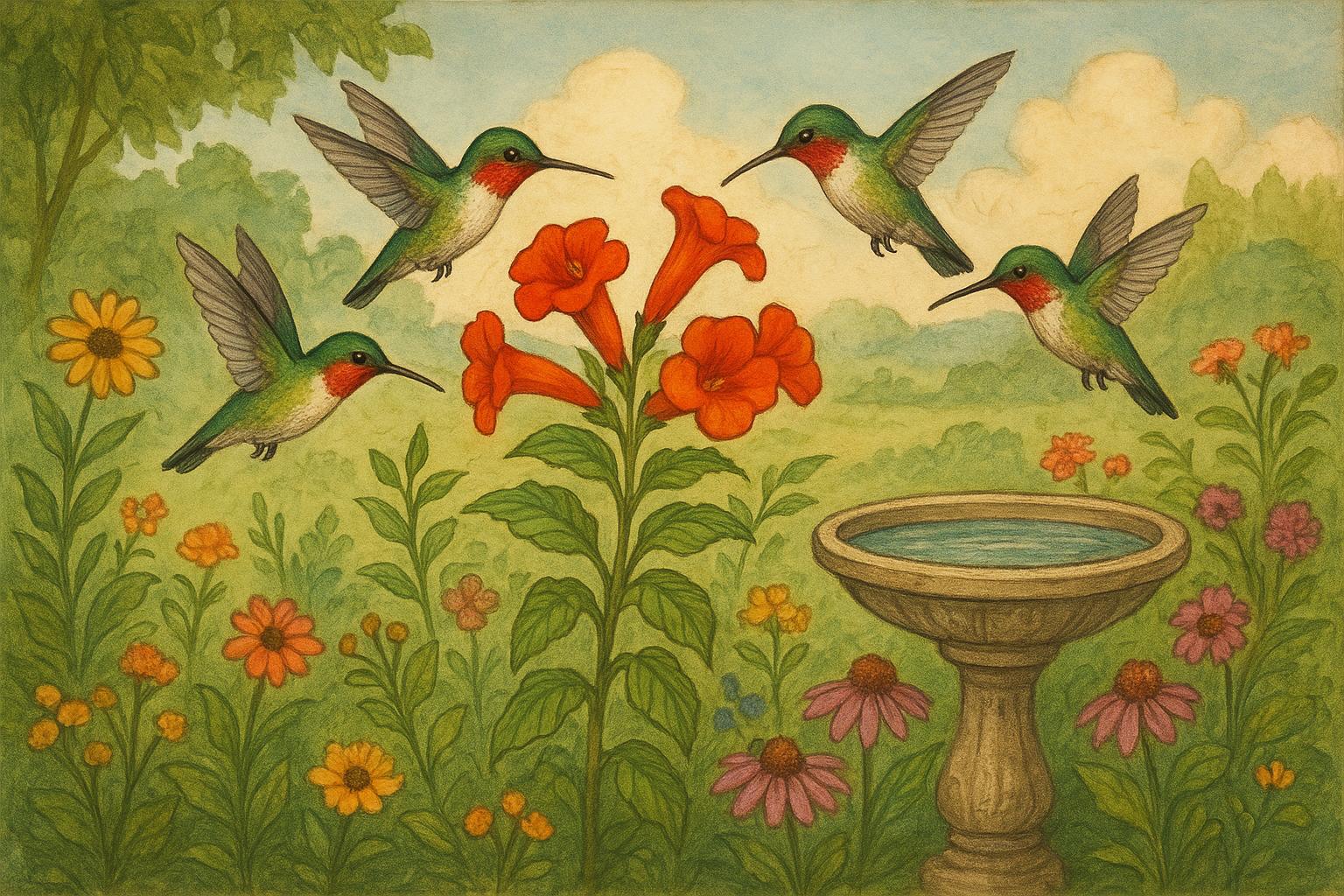
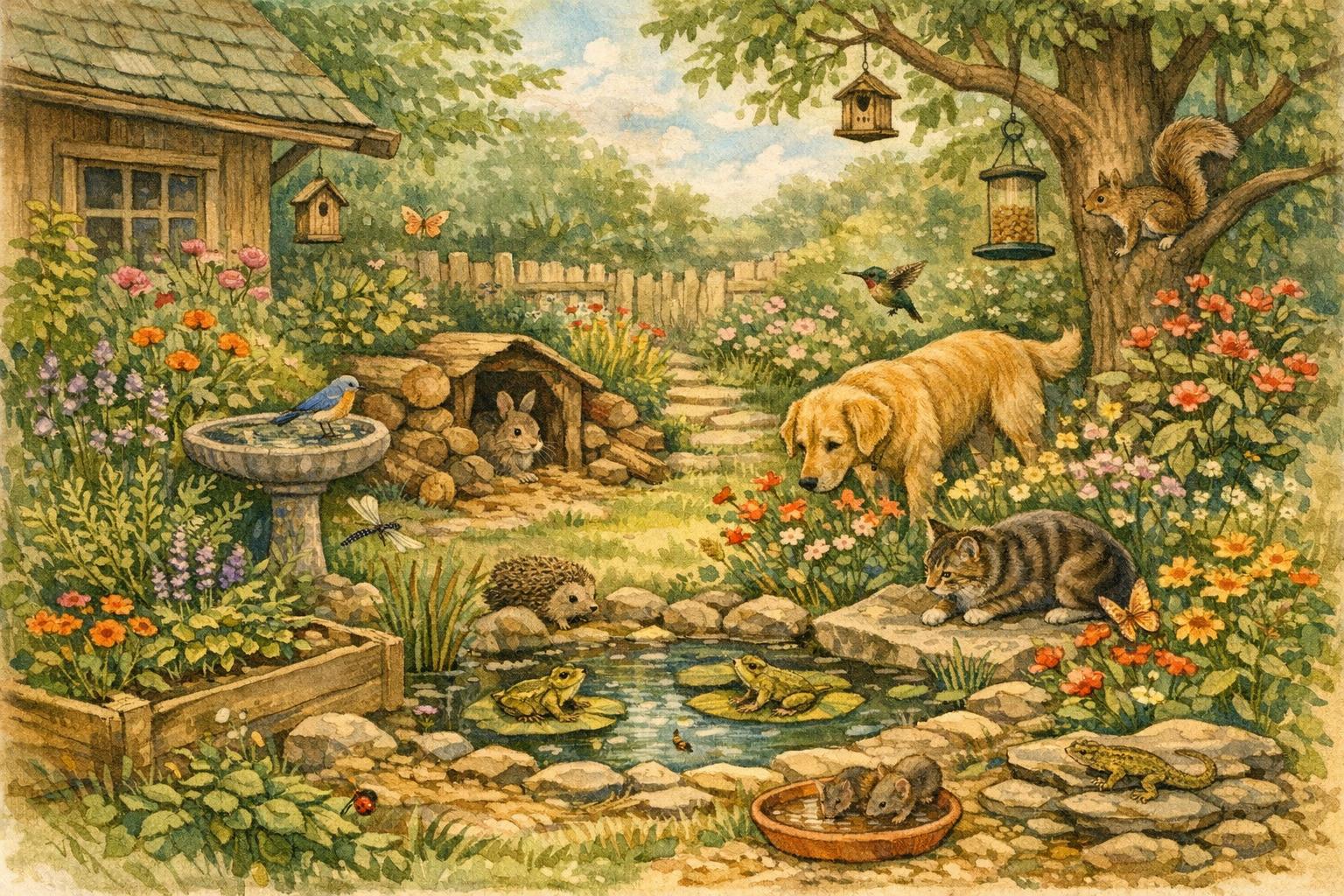
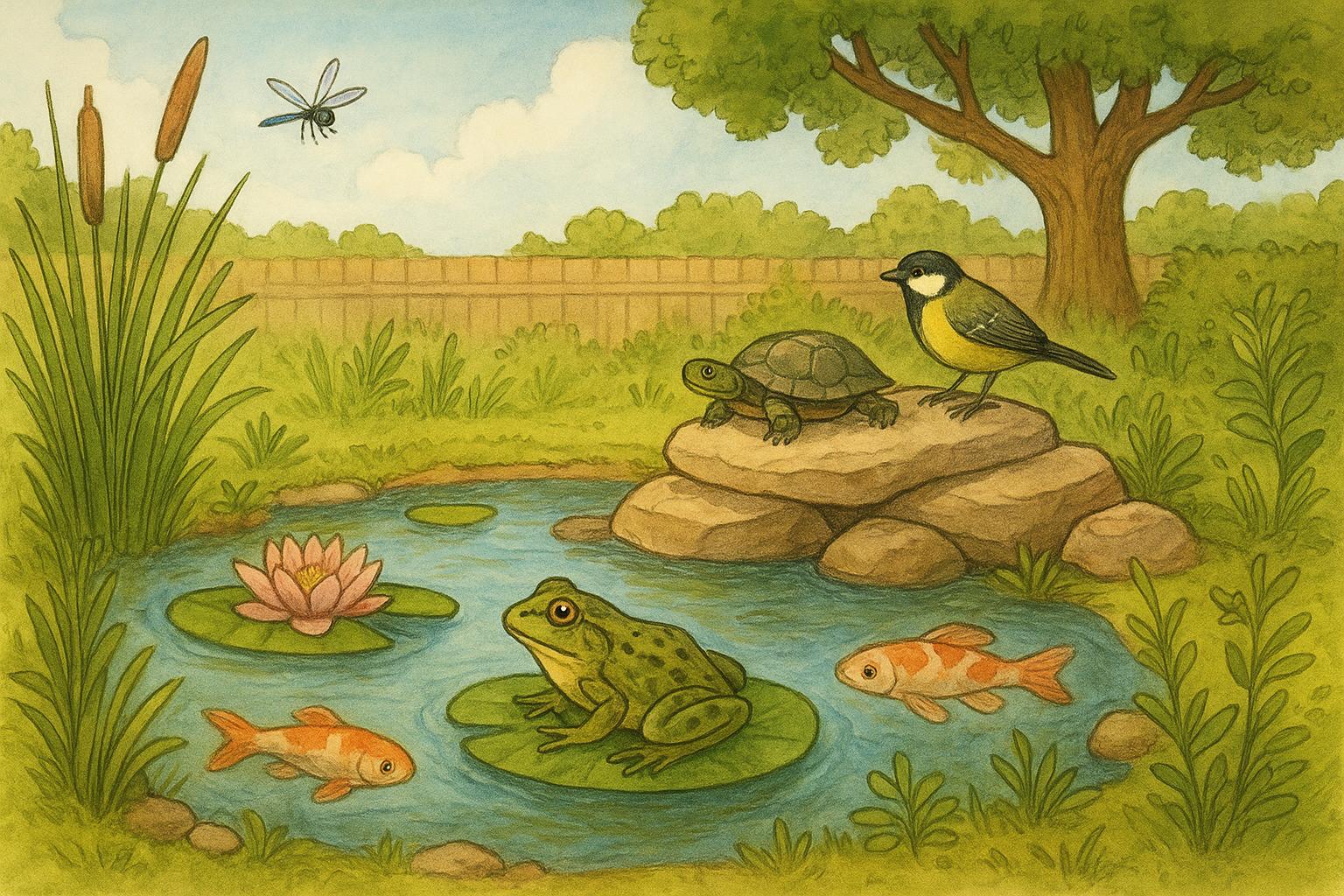
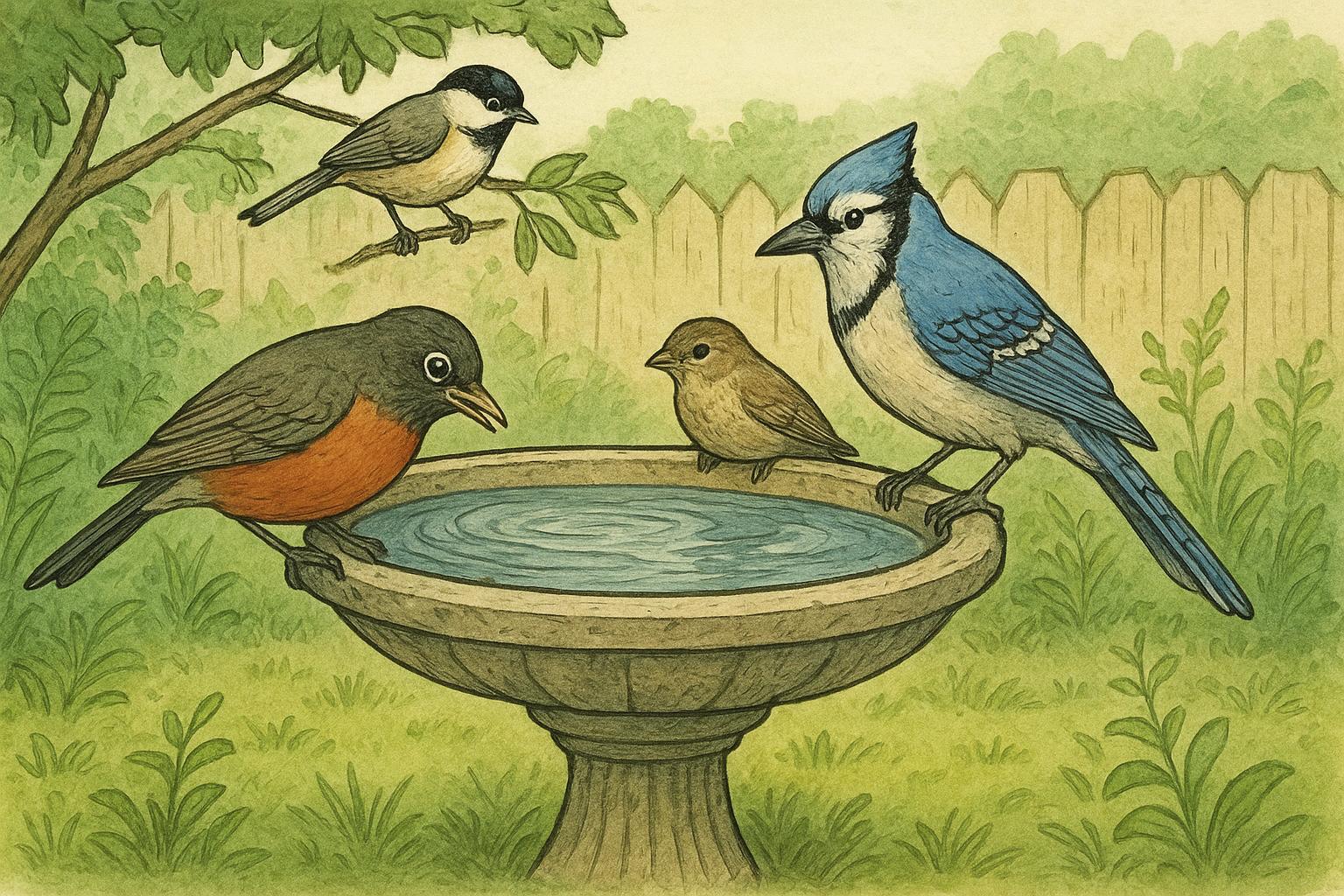
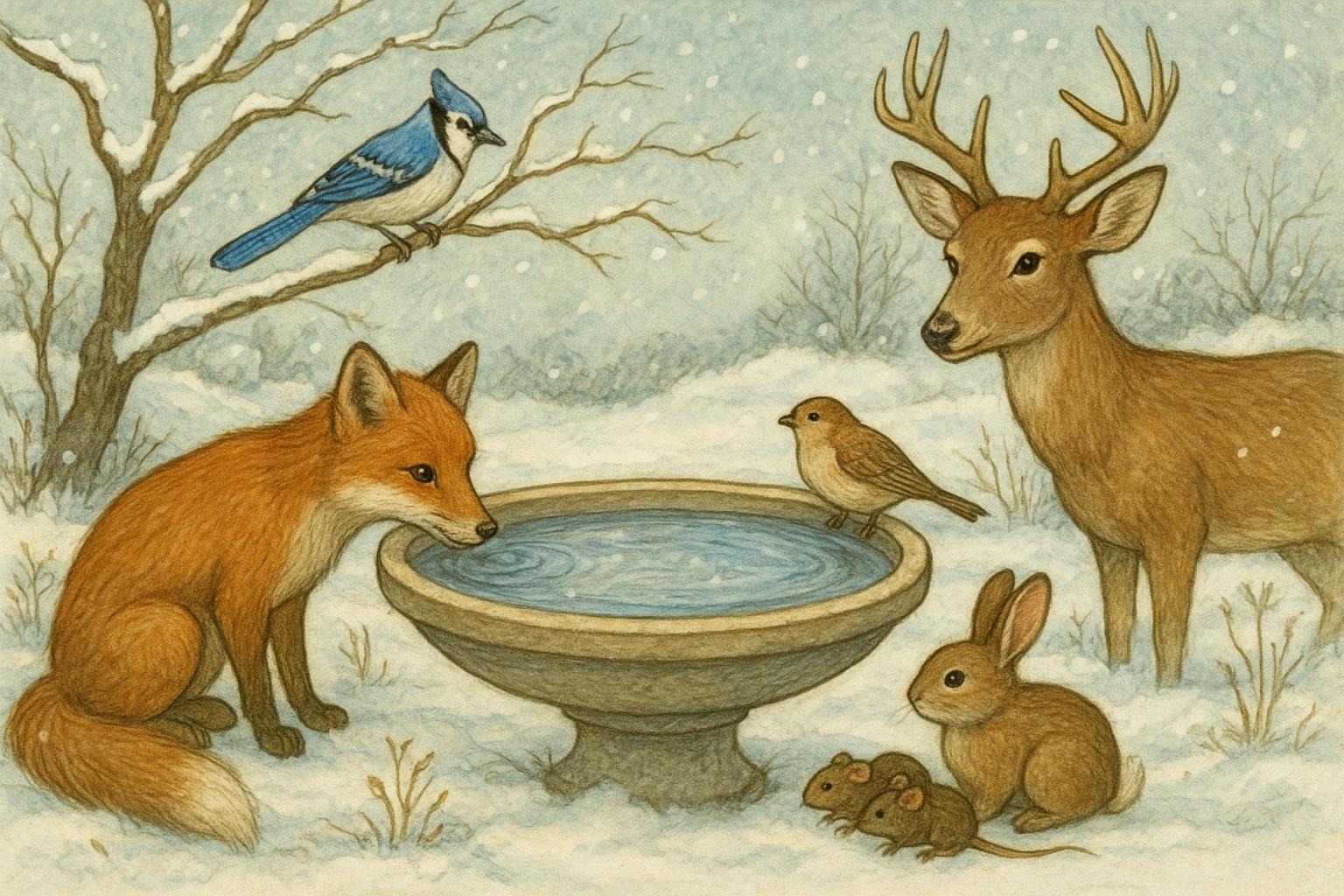
A shallow basin with gently sloping sides can serve birds, bees, and butterflies. Avoid deep, slick-sided ponds unless you include escape routes for small animals. Change water regularly to prevent mosquitoes, but let a layer of emergent plants establish.
#### Small Pond Details
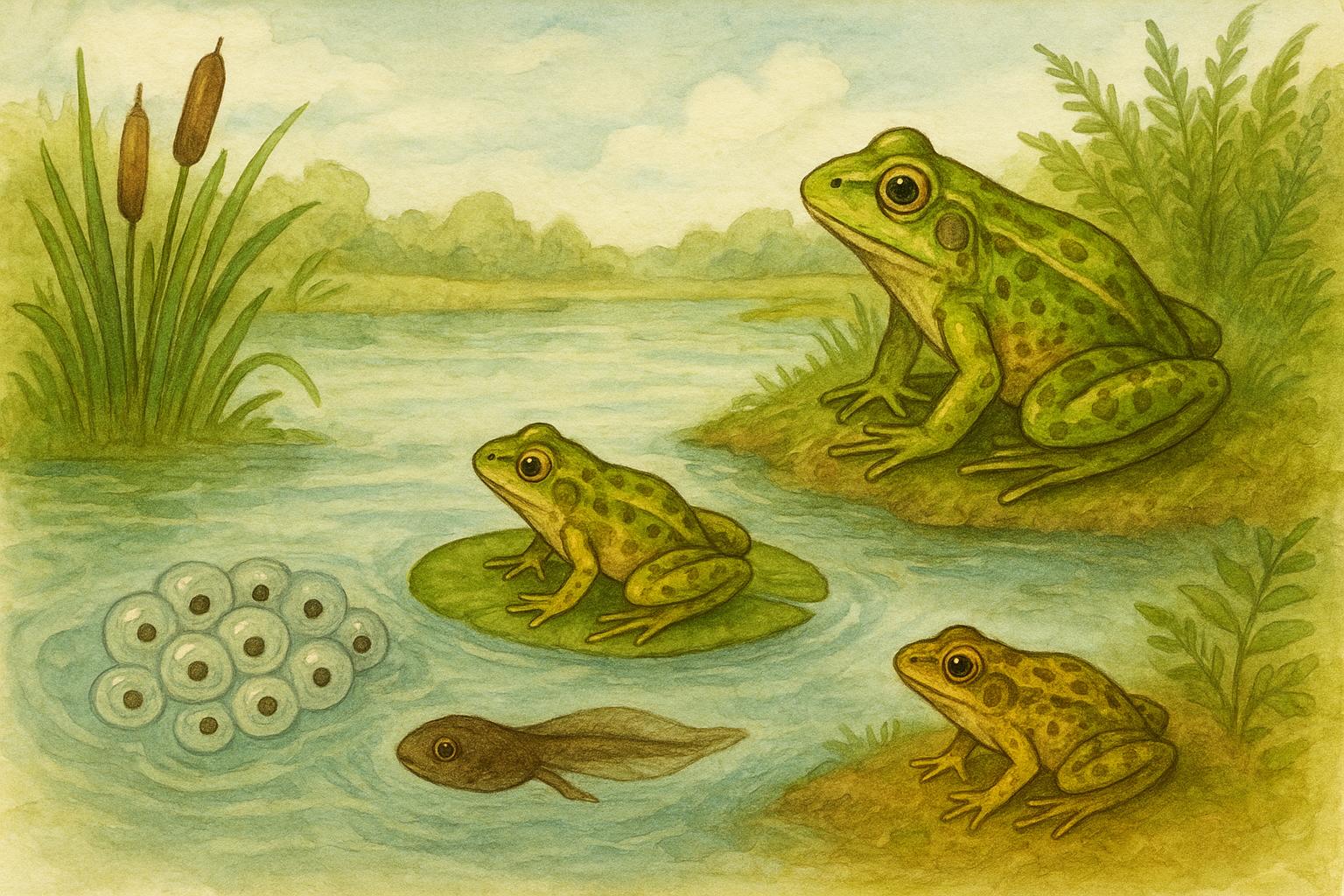
A small liner pond or preformed basin works fine. Place rocks or a branch so insects can land. If you want frogs, create a marginal shelf where tadpoles can feed.
### Keep Some Winter Structure
Dead stems, leaves, and seedheads look messy, but they are habitat. In early spring, wait a few weeks to remove everything. Many ground-nesting bees emerge early, and seed-eating birds rely on leftovers. This is a strong lever for spring wildlife habitat.
### Create Shelter And Nesting Spots
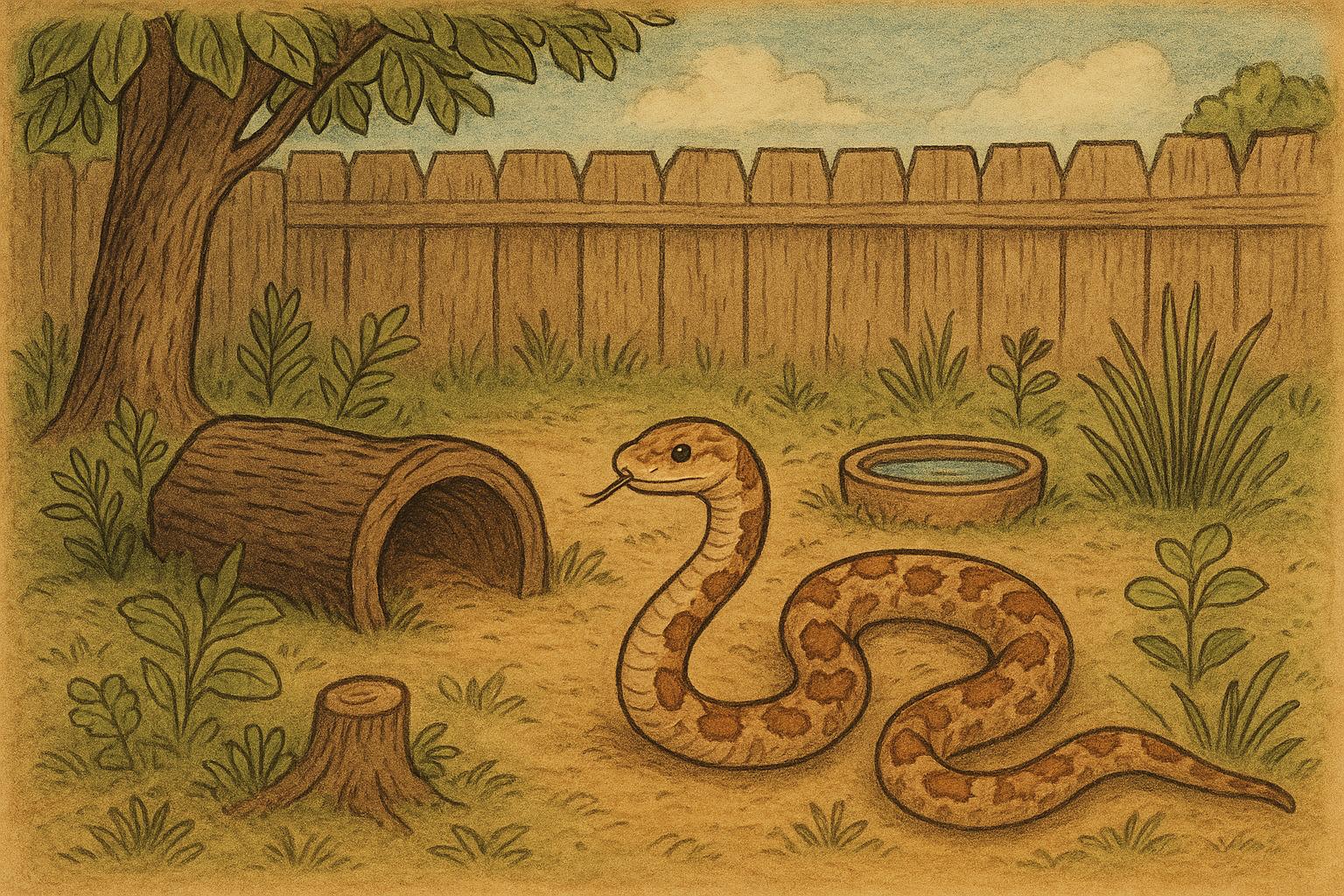
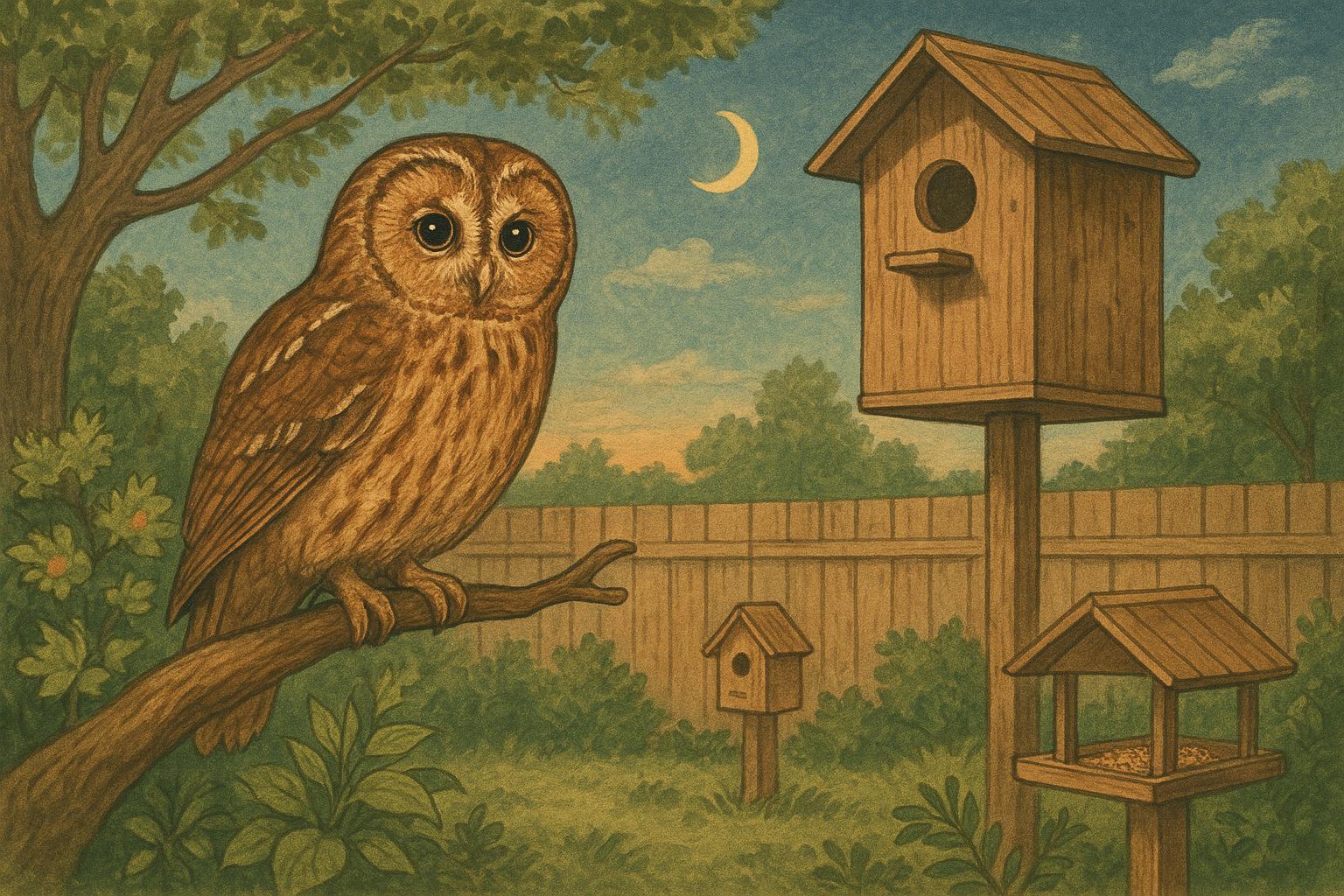
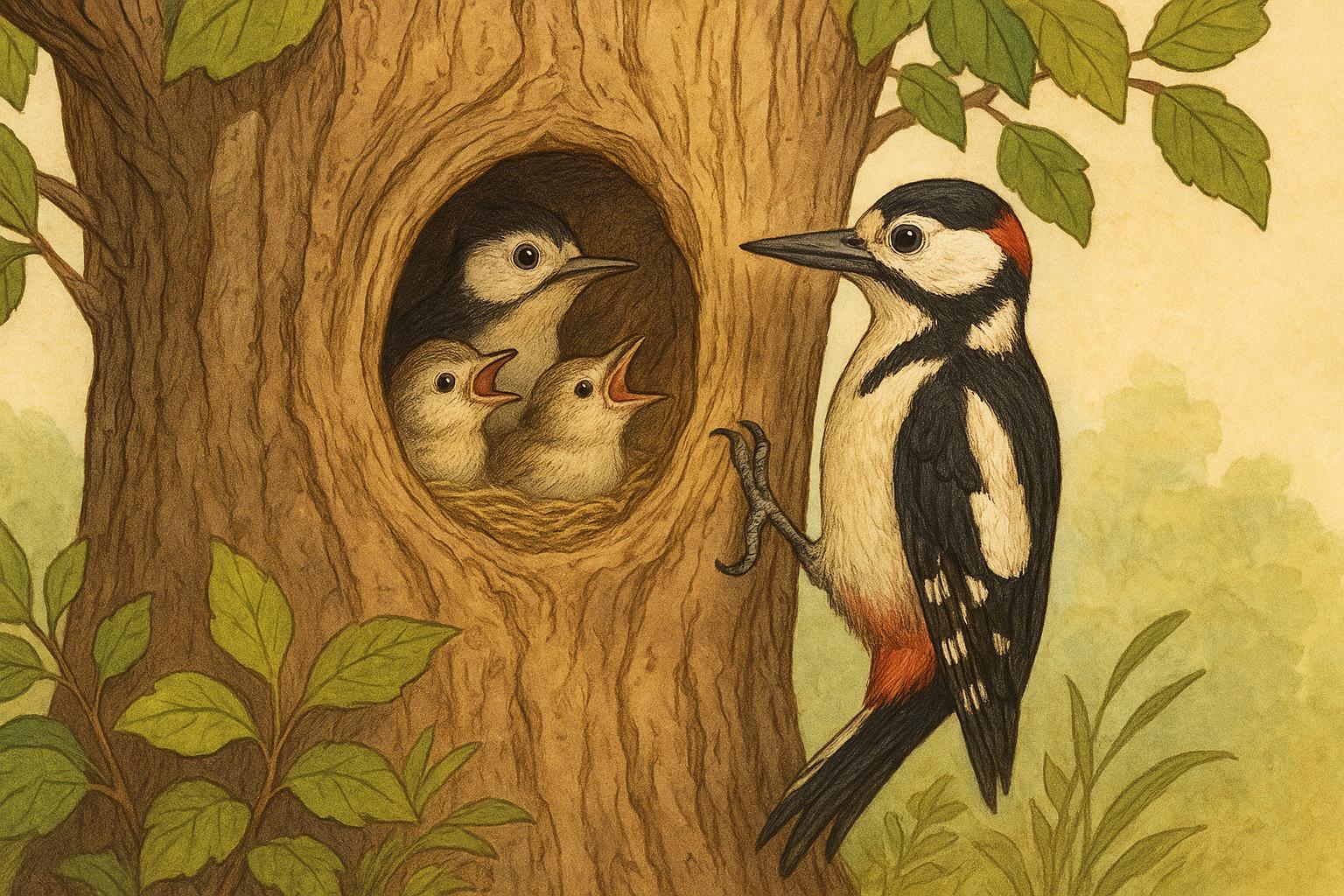
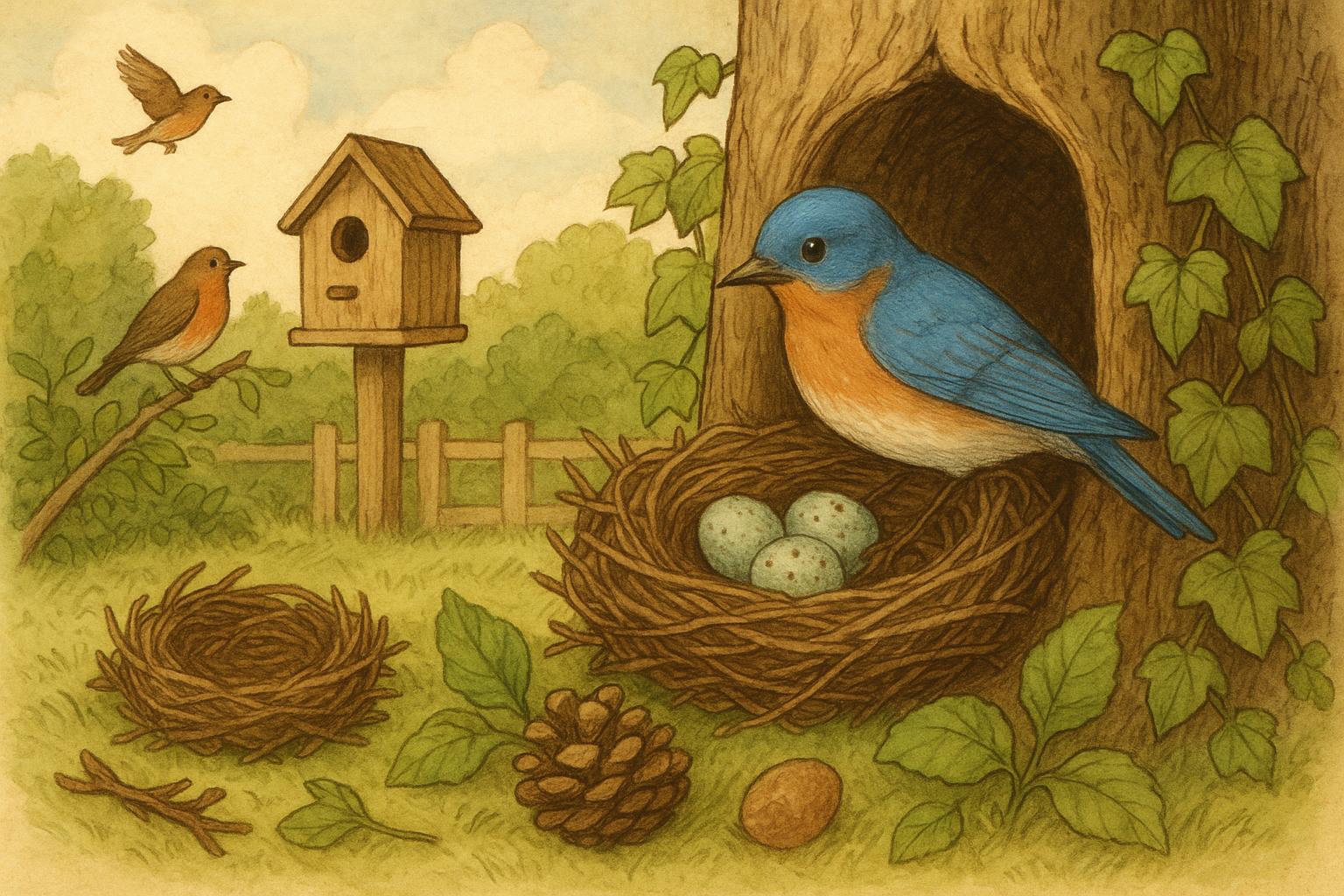
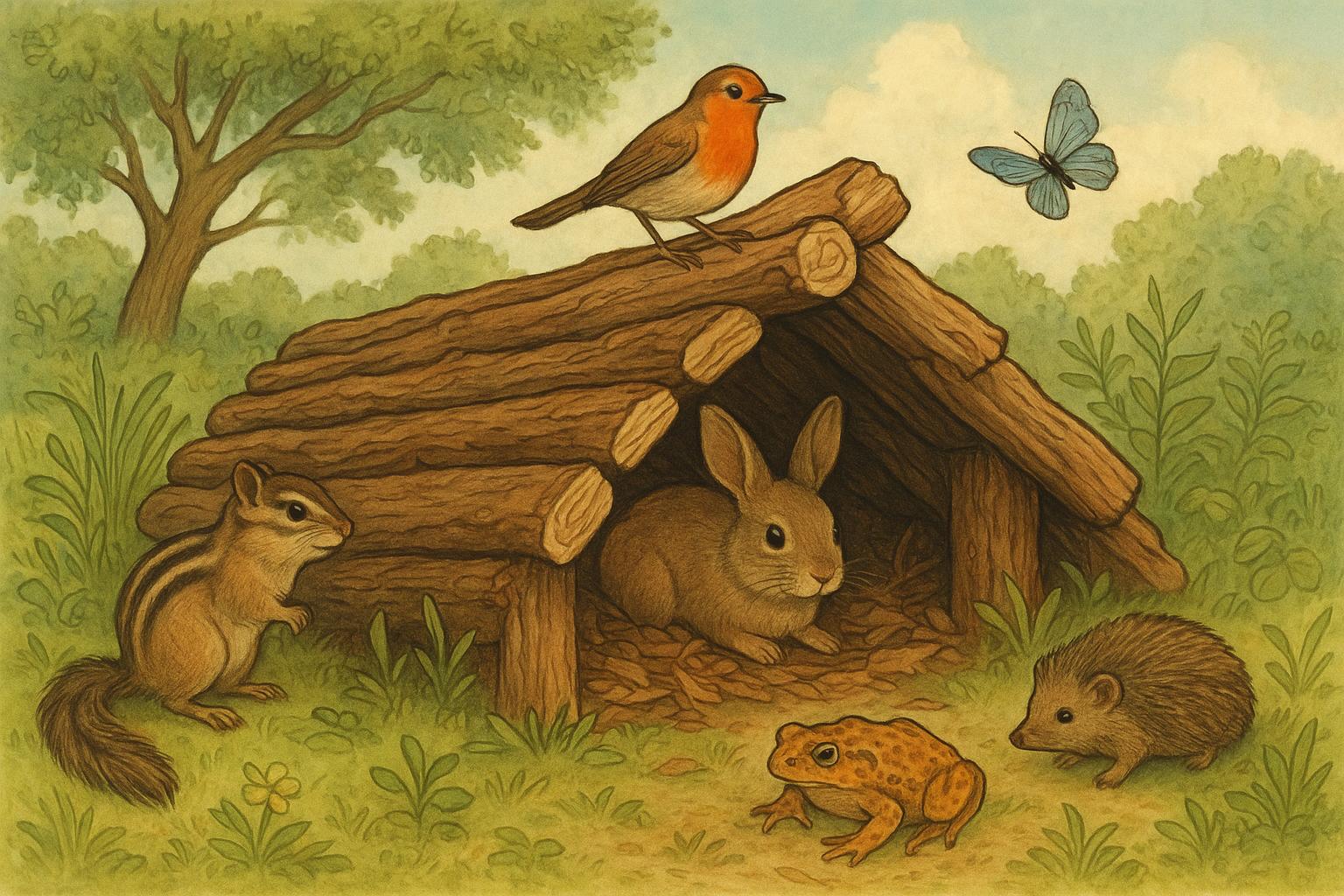
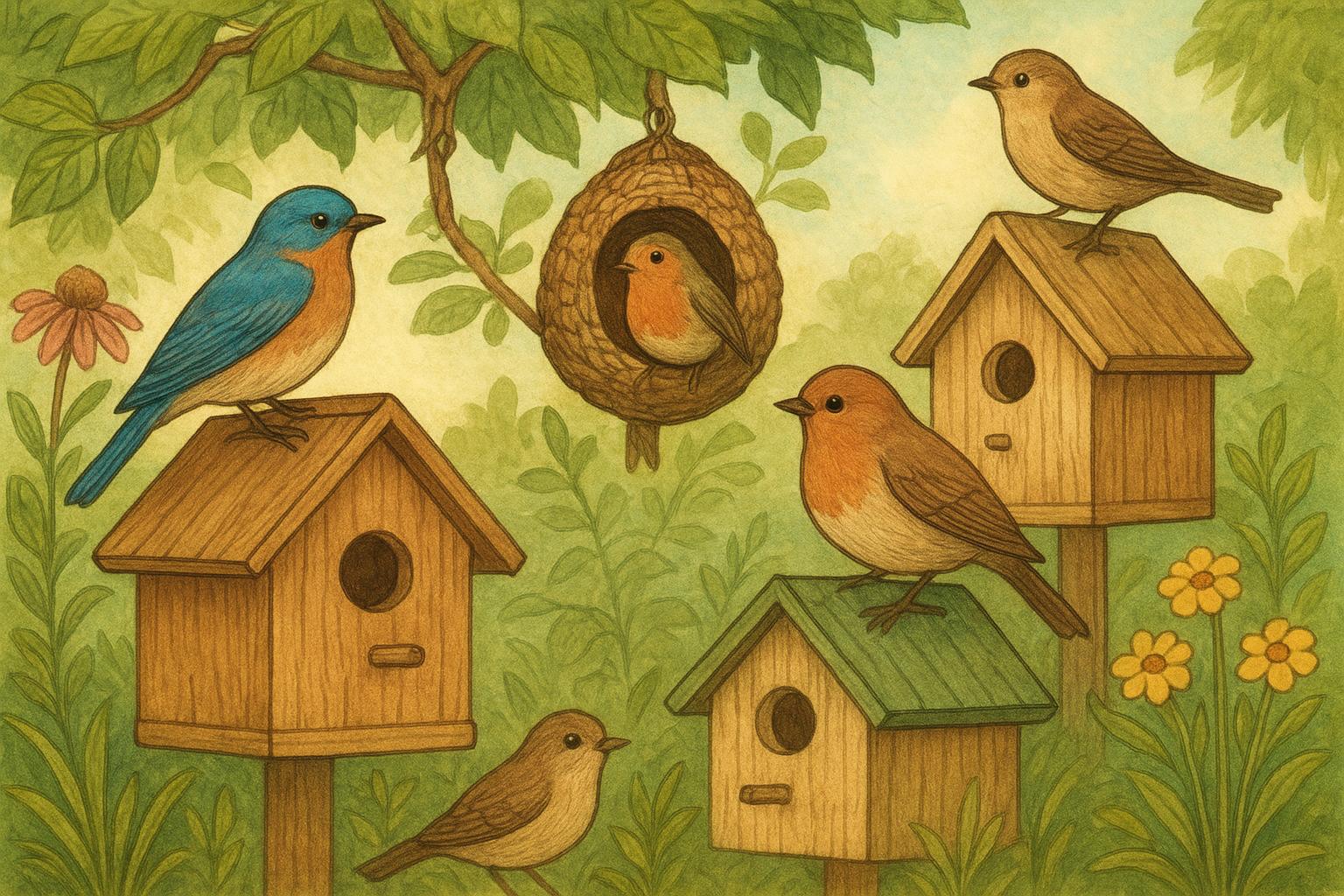
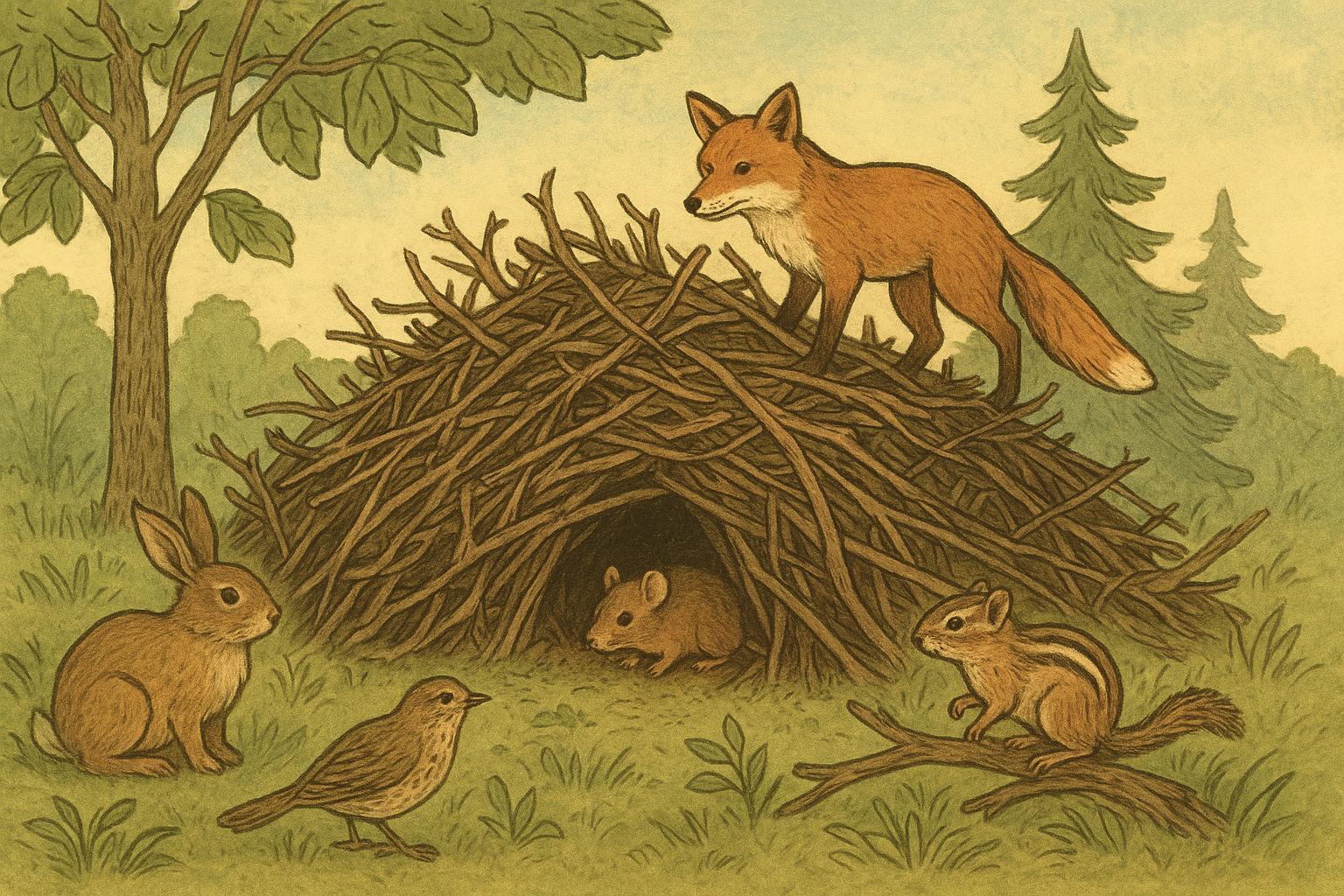
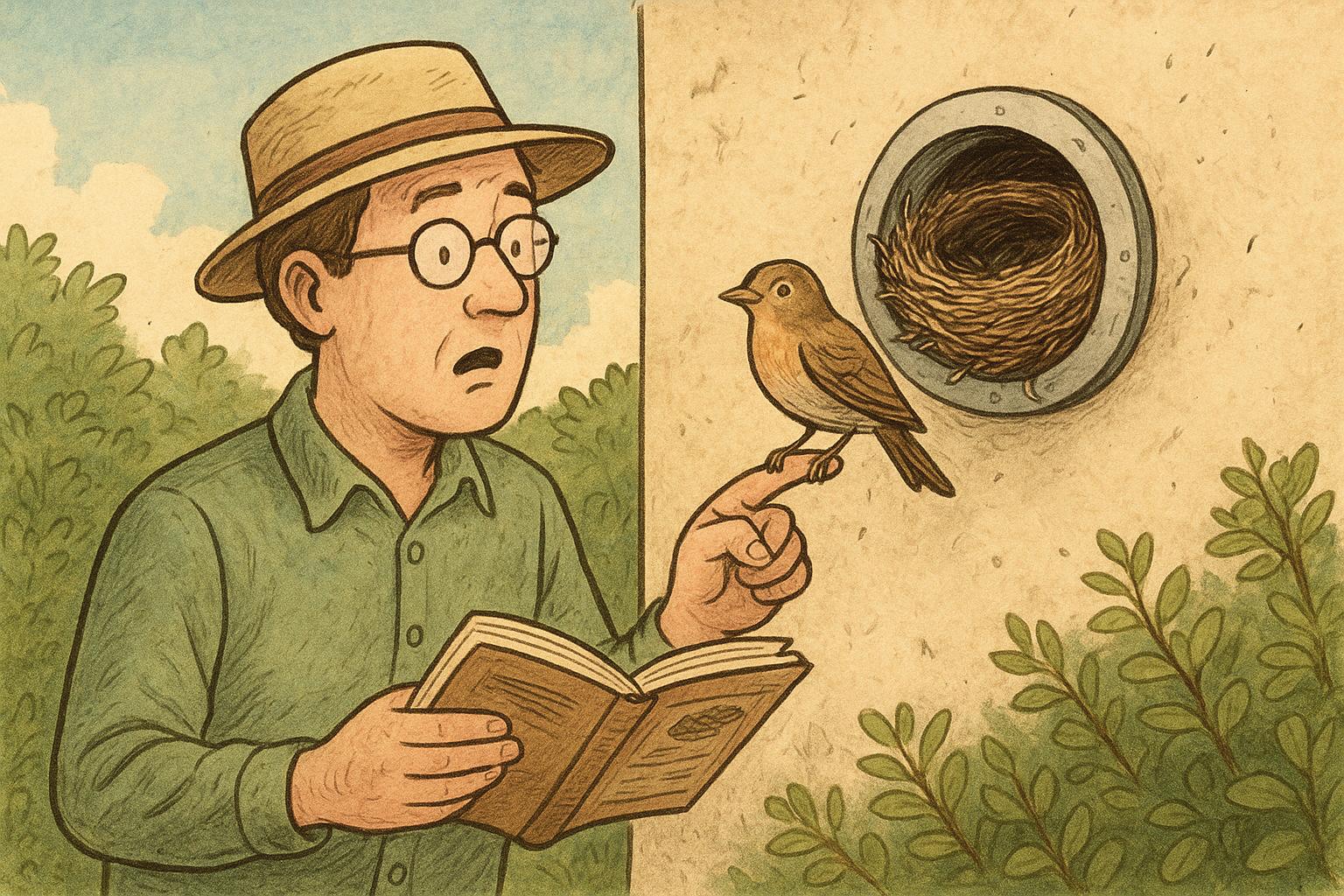
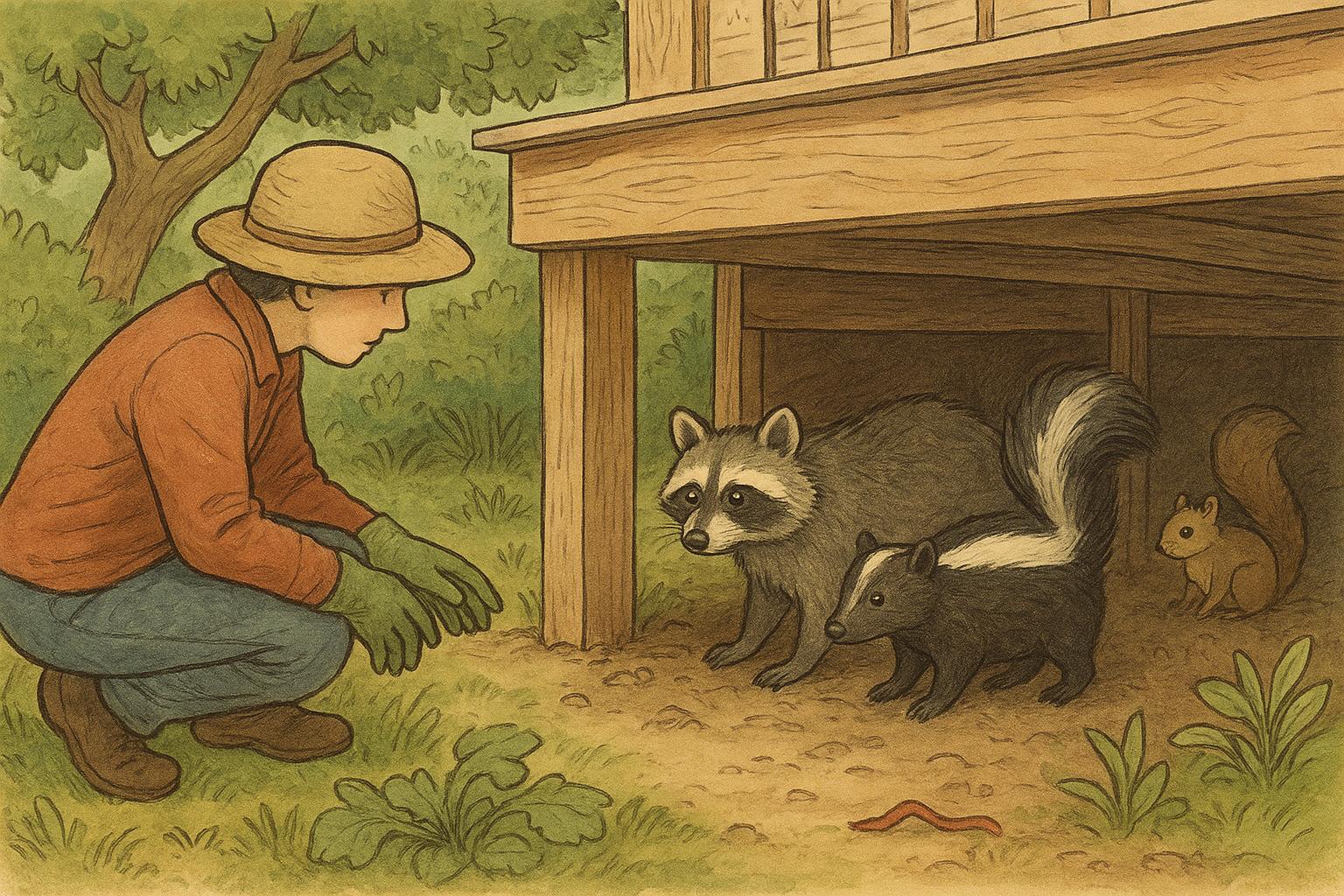
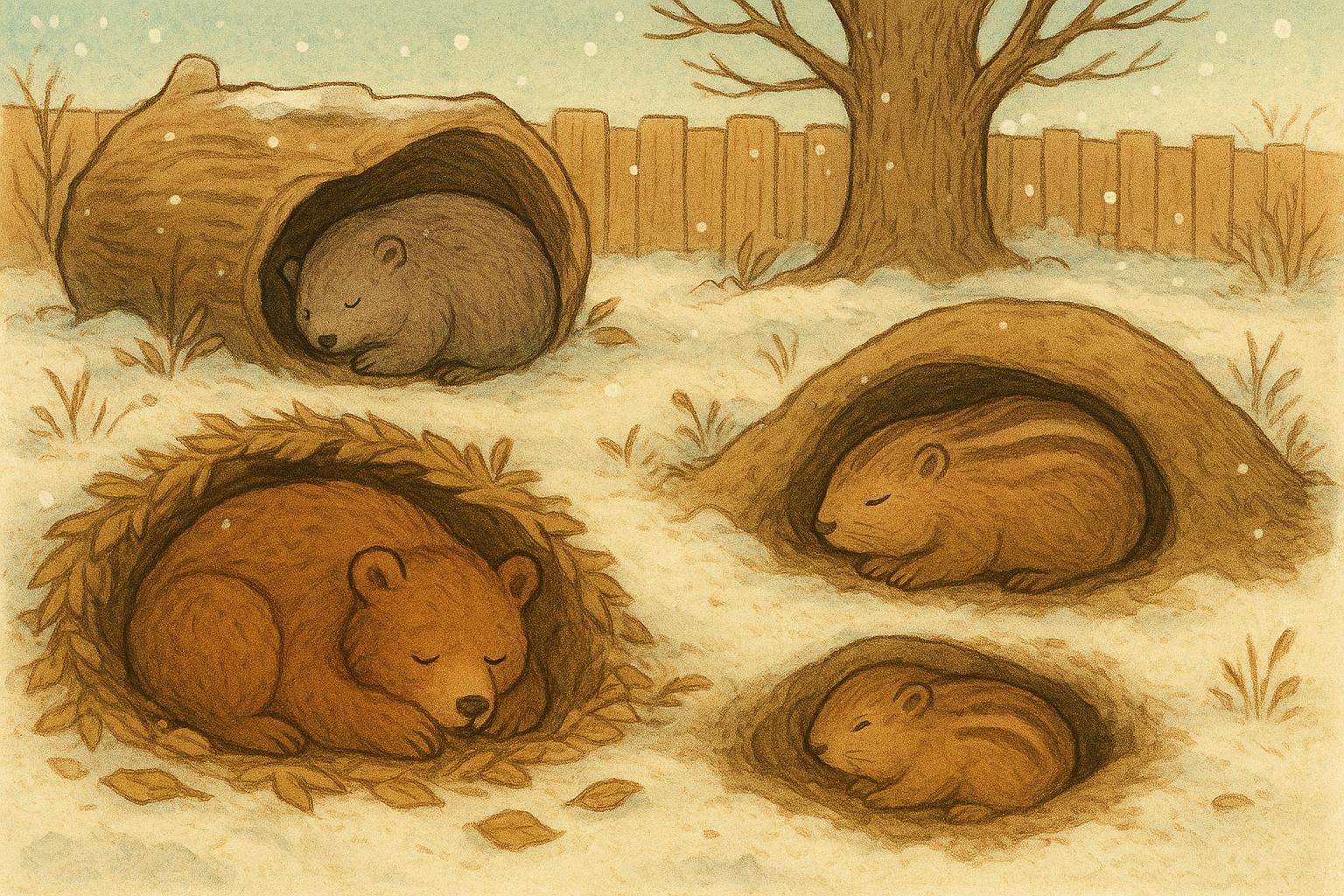
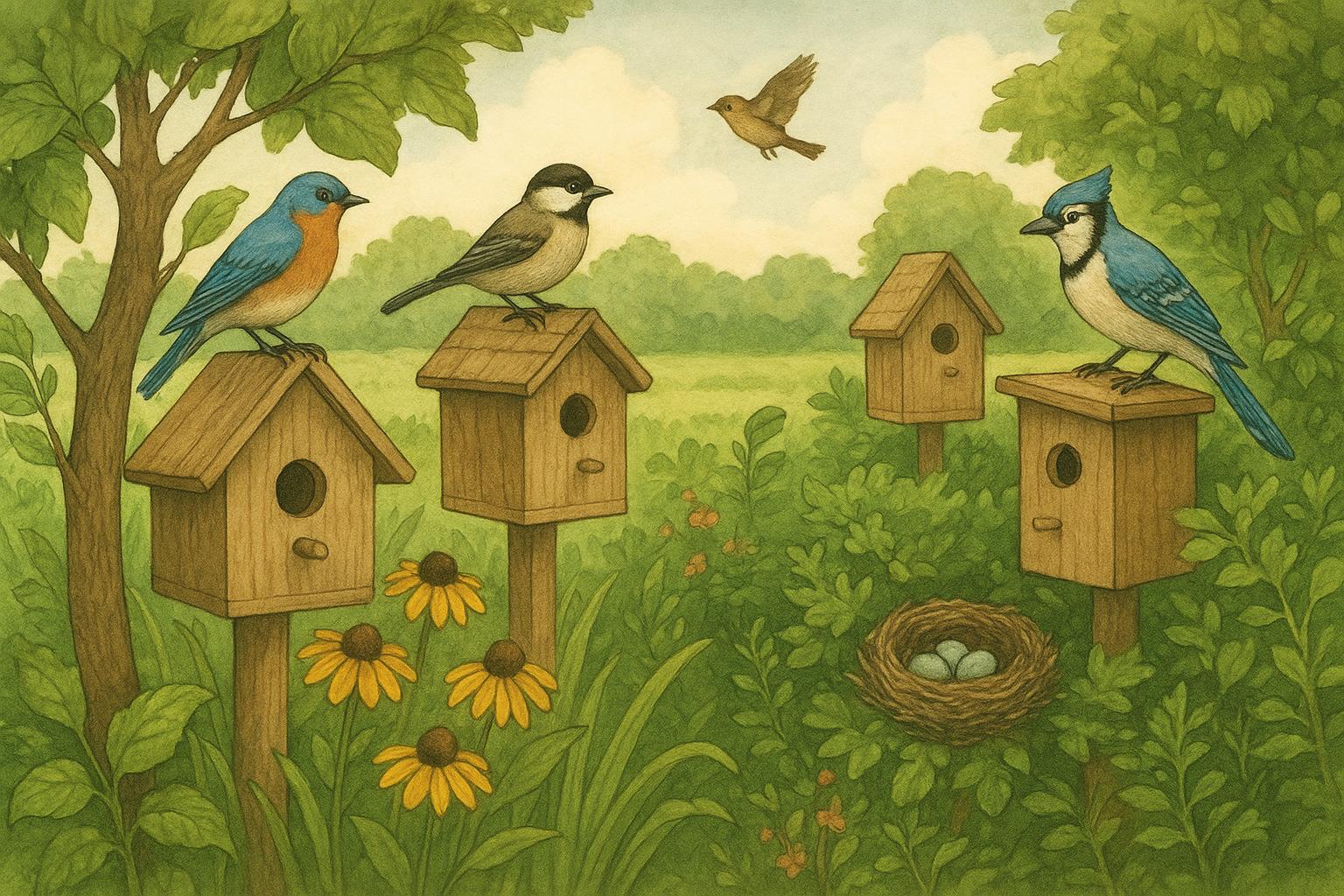
Brush piles, rock piles, and log sections offer daytime hiding places and breeding habitat for small mammals, reptiles, and insects. Bird nest boxes and bee blocks help cavity-nesting species but place them thoughtfully: shade, correct height, facing the right direction.
This type of small investment pays off fast in the season. When you add a nest box, check the fit — a box that’s too open invites predators.
## Adjust Lawn Care During Yard Prep
Radical changes to a lawn aren’t necessary to support wildlife. Tweak mowing schedules and chemical use instead.
### Mow Higher And Less Often
Raising your mower blade a notch keeps native plants and clover viable. Let dandelions and native violets bloom — they are early food for pollinators. A less-frequently mown lawn supports more insect life while still looking intentional.
### Ditch Or Delay The Pesticides
Avoid broad-spectrum insecticides. Spot-treat only when necessary. If you must treat, use targeted methods and apply in the evening when pollinators are less active.
Adjusting chemical use is a straightforward part of yard prep that pays immediate dividends. It’s one of the easiest ways to support predators that keep pests in check.
## Designing For Vertical Layers
Wildlife responds to structure as much as to plant species. Aim for groundcover, a shrub layer, and a canopy where possible. Each layer provides different resources: nectar at flower level, nesting in shrubs, and roosting in trees.
### Planting For Layers
Start small. A row of native shrubs along a fence gives cover and food. Add perennials in front. If you have space, a lone native tree becomes a focal point for birds.
#### Shrub Ideas
Consider native blackhaw viburnum, buttonbush in wetter spots, or spicebush for early-season blooms and fruit. These shrubs attract pollinators and feed migrating birds.
## Think Seasonally, Not Just For Spring
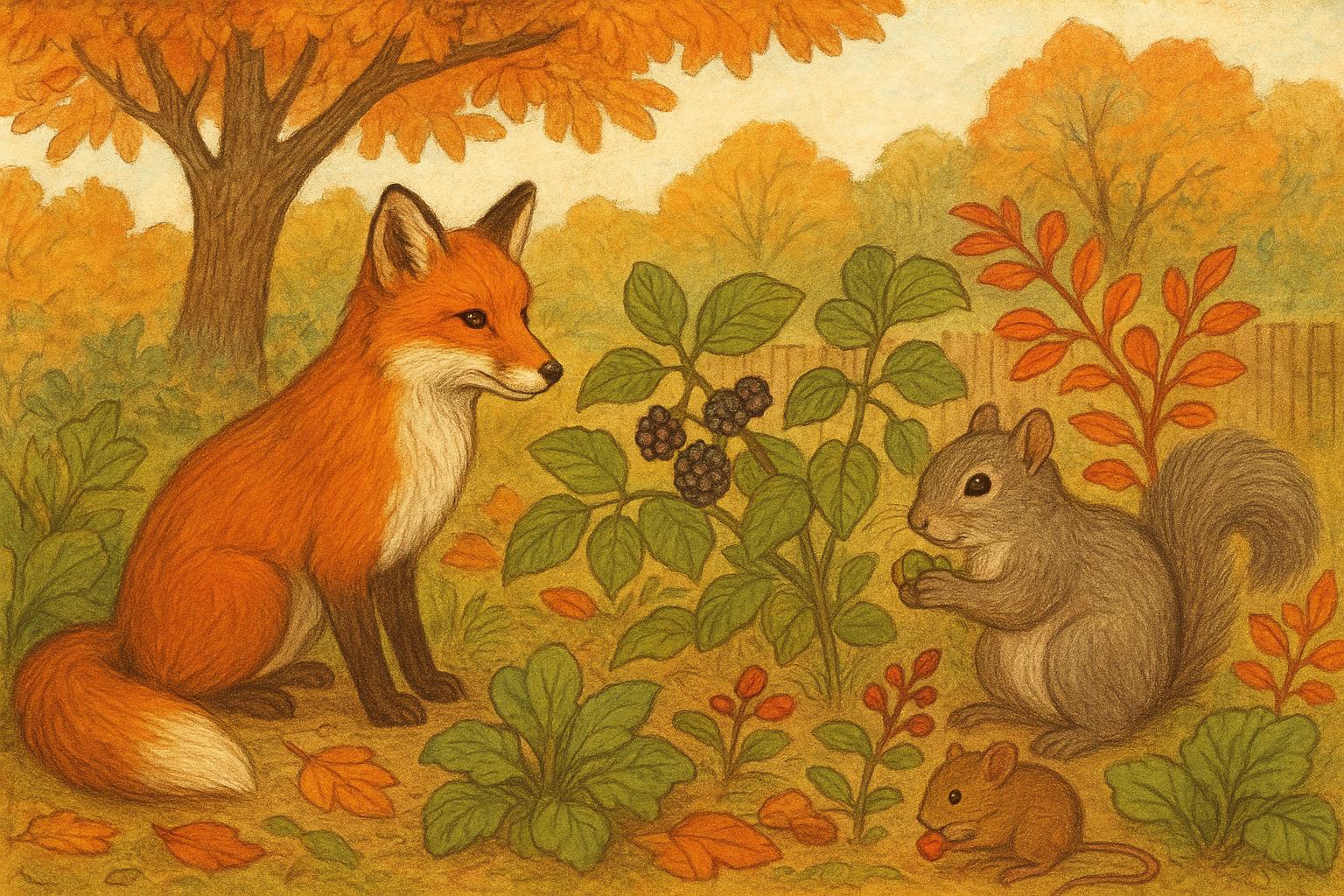
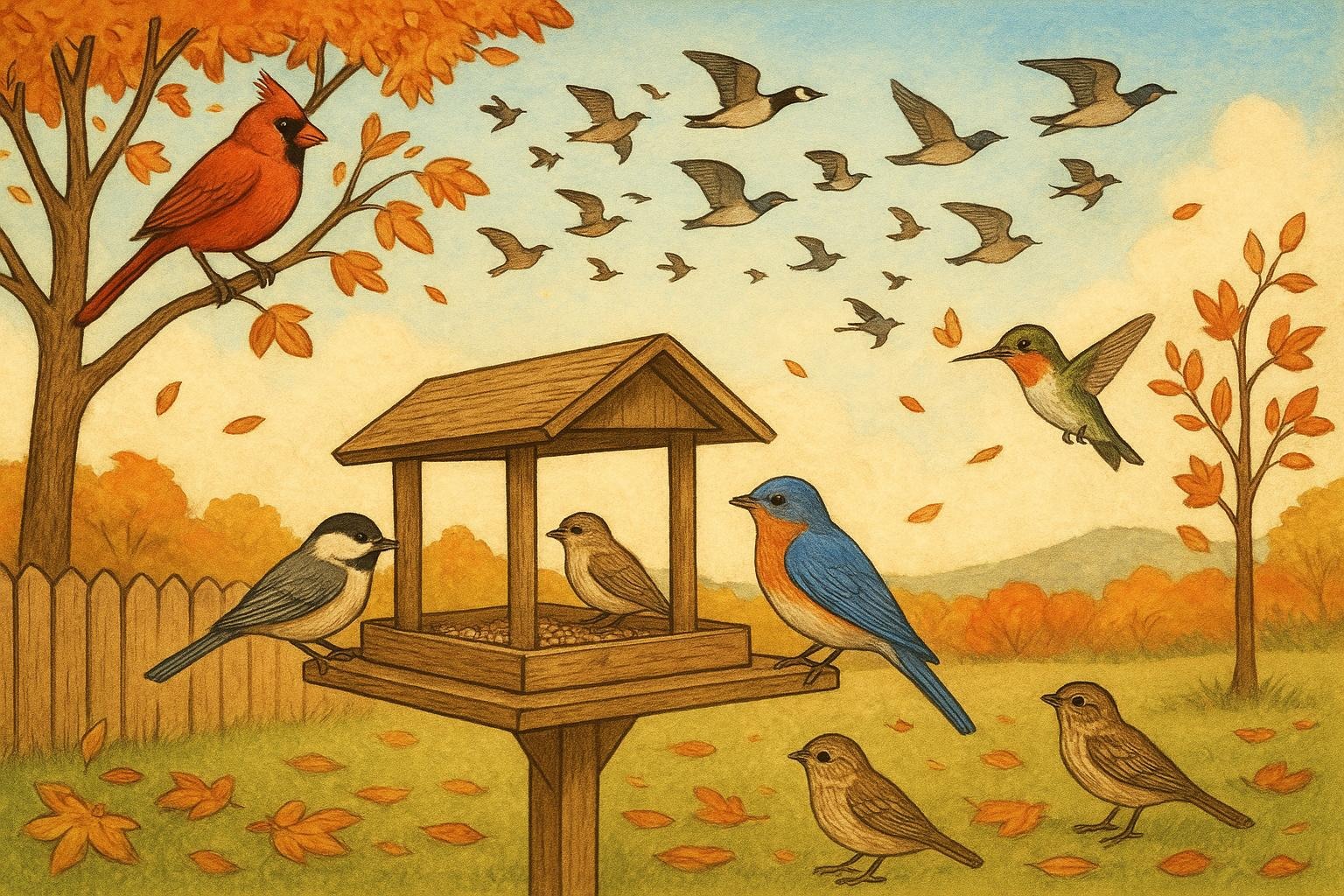
Spring sets the stage, but wildlife needs support all year. When planning your spring wildlife habitat boost, include late-season bloomers and fruiting plants for fall and winter. Native sumac and crabapple provide high-energy food when insects are scarce.
### Successional Plantings
Plant for different seasons now so you don’t have to retrofit later. Mix summer- and fall-blooming perennials with early spring shrubs. The yard becomes a continuous food source.
## Small Water Features And Moist Microhabitats
Adding a shallow birdbath is the fastest win, but moist microhabitats are equally important. A damp corner under a downspout, converted into a rain garden, supports amphibians and pollinators without taking much space.
### Building A Rain Garden
A shallow depression planted with native wet-tolerant species captures runoff and creates habitat. Place it where water accumulates naturally and use gravel and sand under the soil for drainage.
## Use Materials You Have
You don’t need to buy everything. Fallen branches, scrap wood, and a stack of old bricks become habitat. A half-buried log supports fungi, insects, and small reptiles. Reclaimed materials also keep the project affordable.
### DIY Nesting Blocks
Drill holes of various sizes into scrap blocks for solitary bees. Keep the holes between 4 and 8 inches deep. Mount the blocks on a pole or wall out of direct rain.
## Avoid Common Mistakes
Some well-meaning actions do harm. Cleaning out every leaf and removing all “weeds” reduces nectar and nesting sites. Planting nonnative ornamentals that offer little food misdirects your effort. Over-tiling or rototilling destroys the soil structure insects rely on.
When you start yard prep, work with the existing ecology rather than erasing it.
### Timing Matters
Do not prune or disturb active nests. Delay heavy pruning until late winter or early fall. Many bees and butterflies overwinter in hollow stems; cutting them in early spring removes those populations.
## Track Changes And Refine
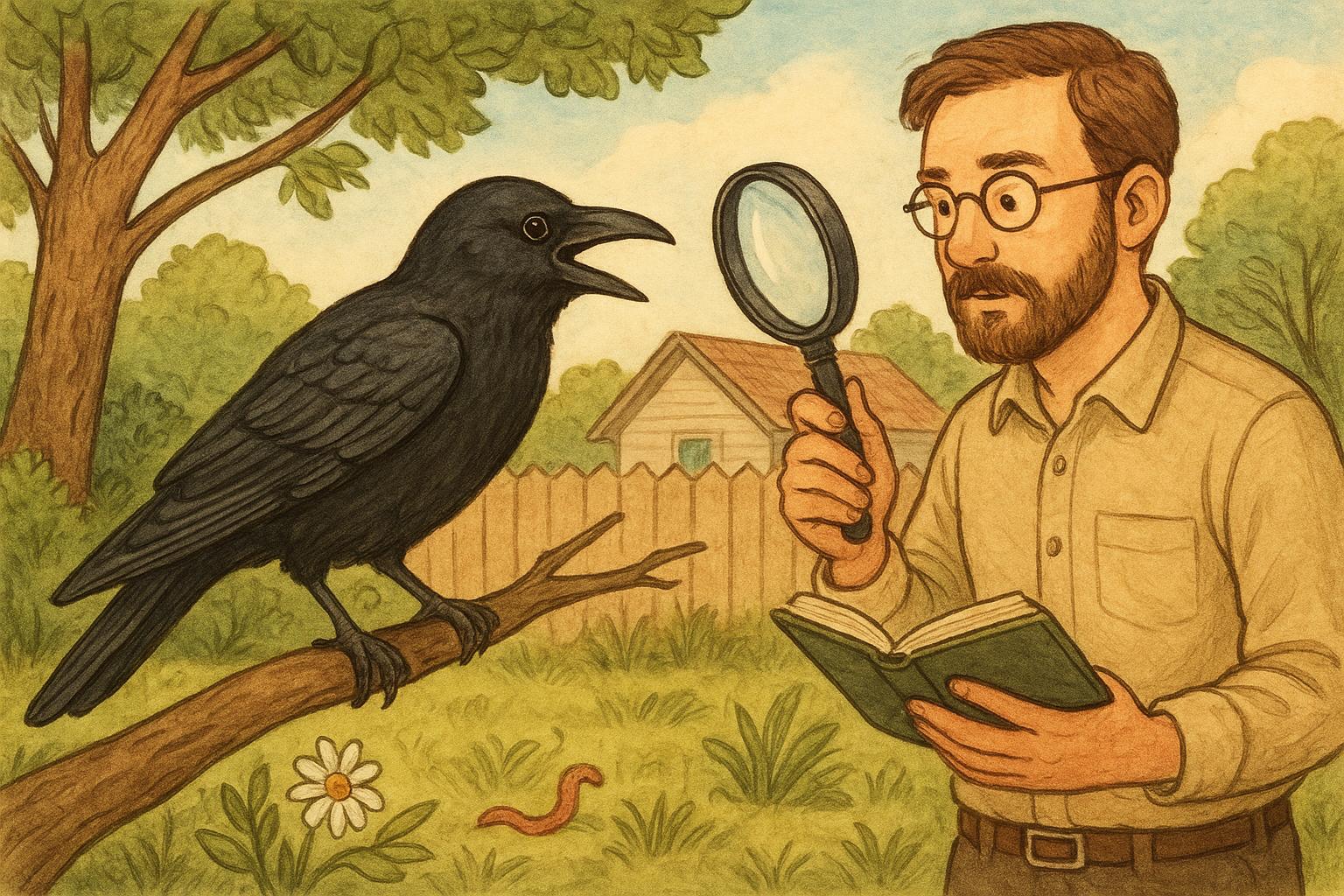
Make simple notes: what you planted, where you saw nests, what failed. A phone photo or short journal helps you repeat successes and avoid repeating mistakes. This feedback loop turns a one-time springtime wildlife habitat boost into a long-term improvement.
### Community Options
If your yard is small, coordinate with neighbors. A corridor of native plantings across several properties has more impact than isolated patches. A local native plant swap can source species you need and spread knowledge.
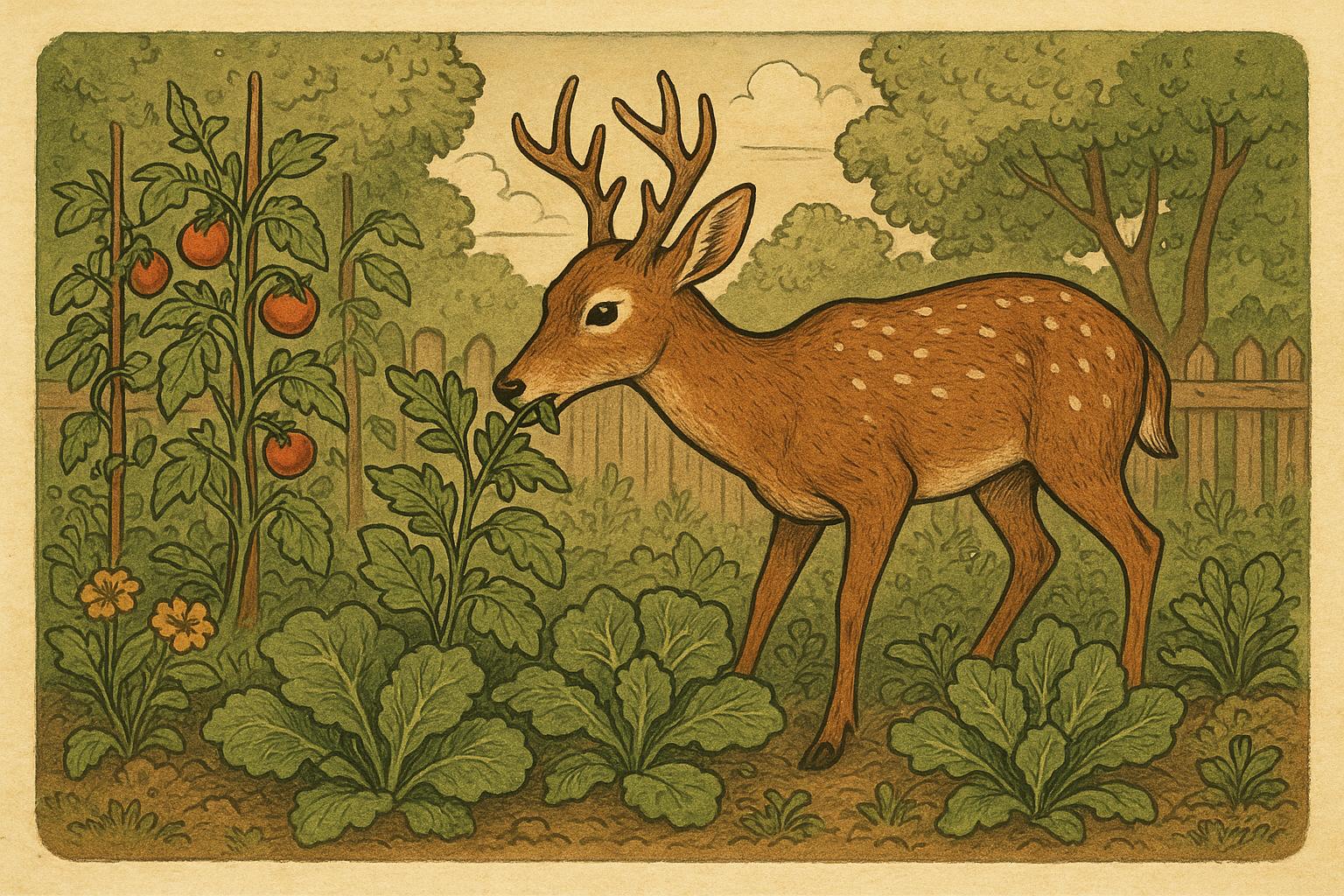
There will be setbacks. Deer nibble, droughts happen. Adjust. Try protective cages for young shrubs or temporary shade cloth in extreme heat. These responses are part of good yard prep.
Finally, expect surprises. Once you start, plants will attract species you didn’t expect. Occassionally you’ll find a new pollinator or a nesting pair in a place you thought was just decorative. That’s the point. A springtime wildlife habitat boost is about creating conditions for nature to come back on its own terms.
## Where To Go Next
Identify one weekend task and one seasonal change to begin. Plant a small native patch, add a birdbath, and change mowing habits. These moves are the backbone of yard prep and will make your property a meaningful stop on the circuit for birds and pollinators all spring and beyond.
Include native shrubs, maintain late-season seedheads, and reduce pesticides. Over time these steps compound. A thoughtful spring wildlife habitat approach turns ordinary yards into refuges that support both human use and local ecosystems.
Now pick one small area and get started. The more specific your plan, the less likely you are to stall, and the quicker you’ll see the benefits of a springtime wildlife habitat boost.





Leave a Reply