
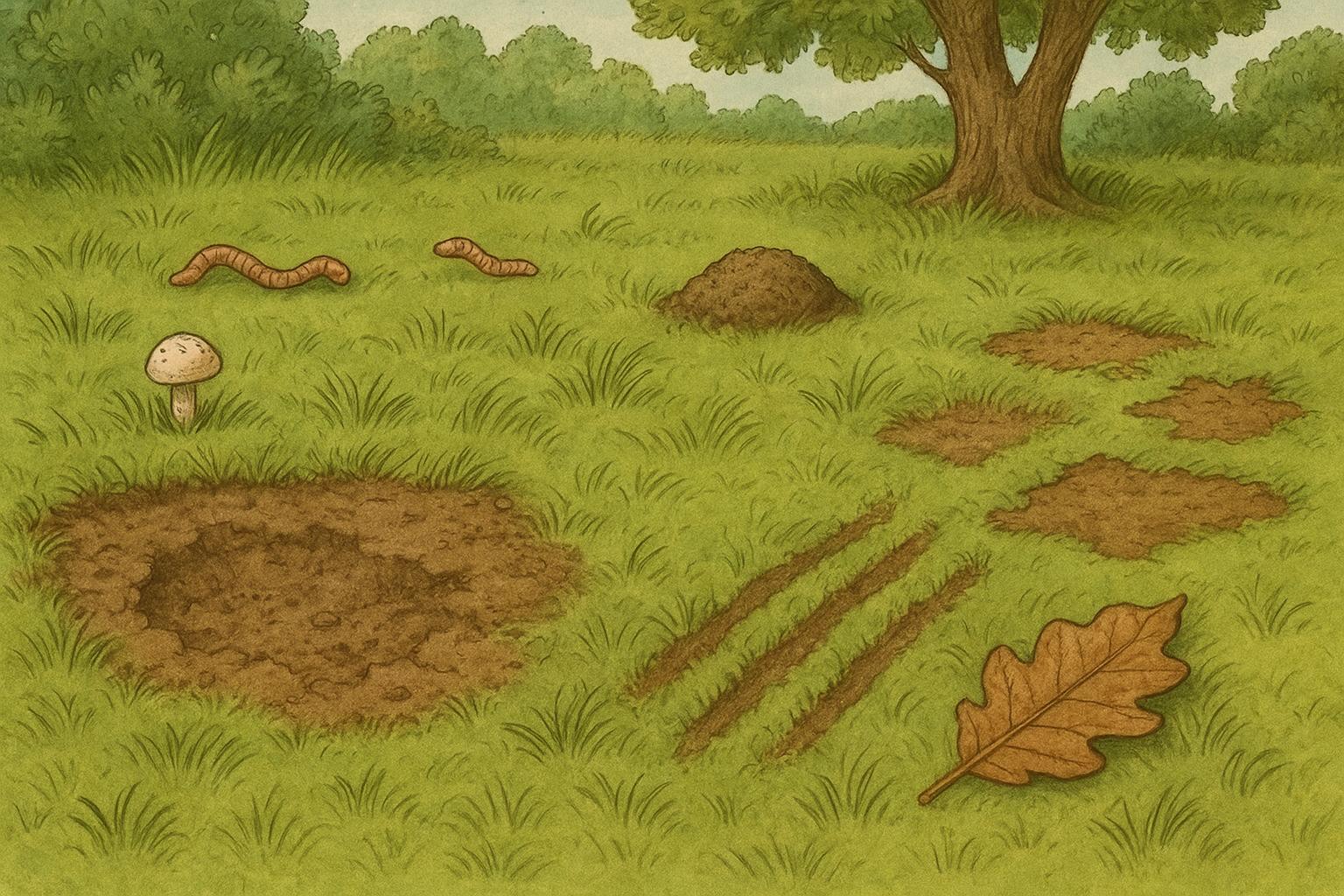
You can learn a lot by looking down. That patchy stripe, that shallow groove, the circle of browned blades — they are not random. Those are signals. If you pay attention, the yard begins to tell you who’s been there and what’s been happening while you weren’t watching.
## Recognizing Lawn Surface Damage Indicators Early
Lawn surface damage indicators are not always dramatic. Some show up as faint color shifts, other times as clear physical changes in the turf. The moment you stop treating your lawn like a single green carpet and start reading its textures and patterns, you’ll spot problems long before they get expensive. Look for repeated patterns first. A single brown spot is one thing; a recurring semicircle by the driveway is a pattern and probably points to a routine stressor.
### Where Patterns Start And Why They Matter
Patterns tend to repeat because whatever causes them is consistent. If the same strip next to a fence is always thinner, check for shade, soil compaction, or a drip line from a roof. If circular patches appear across the yard, think insects or fungal disease. Patterns narrow down possibilities faster than any general observation.
#### Shade And Light Variations
Sunlight is an obvious factor, but the way it moves across your yard matters. Early morning shade that lingers because of a nearby tree can stress turf differently than late-afternoon shade. A lawn that looks weak on the north side of a hedge might simply be getting less light. Over time, grass varieties that tolerate shade will thin while sun-loving ones will die back.
#### Soil Compaction Signs
Compaction shows up as depressed strips or flattened grass that recovers slowly after rain. Roots struggle in compacted soil. A simple test: press the toe of a shoe into the ground. If it resists or water puddles and won’t soak in, compaction is likely. To fix it, core aeration often helps. Repeated foot-traffic lanes are a common culptit.
## Using Lawn Surface Damage Indicators To Diagnose Lawn Damage
When you pair visible indicators with simple tests, you get answers quickly. Pull up a small section of turf where it looks thin. Inspect the roots and the soil. Healthy roots are white and abundant; unhealthy roots are short, brittle, or brown. This one action separates surface symptoms from the deeper problem.
### Signs Of Pest Activity
Chewed blades, scalloped edges on patches, and irregular dead spots point to animals or insects. Grub damage often looks like spongy turf you can roll back like a carpet, while chinch bugs leave dead grass that’s not soft. If you see birds pecking at the lawn in multiple spots, they may be hunting grubs — that’s another clue. Keep in mind that pest patterns often align with seasons and moisture levels.
#### Distinguishing Disease From Pests
Diseases often produce rings, concentric patterns, or uniform thinning, while pests give uneven, ragged edges where they feed. Fungal diseases frequently crop up after heavy rain and poor air circulation; they leave a powdery or slimy residue on blades. Test the turf by pulling a patch: if roots are intact but blades break off easily, consider disease first.
## Water Patterns And Hidden Irrigation Problems
Irrigation mistakes are a top cause of persistent lawn damage. Too much water encourages fungi; too little causes drought browning. Lawn surface damage indicators like dark green stripes next to sprinkler heads or repeated wet spots near drains point to distribution problems. Look where the color changes abruptly — that edge often traces a sprinkler’s throw or a leak.
### How To Spot Overwatering Versus Underwatering
Overwatered spots often feel cool and soft, and may have moss. Underwatered areas get dry, spring back slowly, and brown from the tips down. If dry patches show up in a regular grid matching sprinkler spacing, your system needs adjustment. Conversely, narrow wet bands along pipes or near foundations suggest leaks.
#### Muddy Patches And Erosion Clues
If your lawn forms channels, or if soil washes away into low spots, those are clear lawn clues that drainage is failing. Look downhill from the eroded area for compacted soil or clogged gutters. Erosion isn’t only ugly; it strips fertile topsoil and exposes shallower roots that dry out fast.
## Mechanical And Human Causes Hidden In Plain Sight
Not all injury is biological. Lawn surface damage indicators often reveal human patterns. Repeated tire tracks, faded strips where furniture sits, or burned circles where a charcoal grill was placed — those are human-made. Kids’ play equipment compacts soil; lawnmowers with dull blades tear grass and cause ragged edges that scorch in hot weather.
### Mowing And Maintenance Mistakes
Mowing too short can weaken grass and invite weeds. Scalping leaves pale rings at the base of stems. Dull blades shred rather than cut, increasing disease risk. If you see ragged tips across the whole yard, start by sharpening blades and raising cutting height a notch. This one change reverses a surprising amount of lawn damage.
#### Chemical And Pet-Related Spots
Round, sharply defined dead spots often point to fertilizer burn or pet urine. Fertilizer placed unevenly will kill grass where it concentrated. Dog urine creates a high-nitrogen petal that scorches and leaves a dark green ring sometimes around a bleached center. If the shape is neat and repeats in the same place, check that it’s not a bowl-shaped formation where a pet returns regularly.
## Seasonal Timelines Embedded In The Turf
Every season leaves its own kind of mark. Look at the timing of the damage as an extra data point. Late spring brown patches after a wet winter often indicate fungal issues. Summer striping commonly relates to irrigation or mowing patterns. Fall thinning can signal nutrient depletion or root damage that accumulated over the year.
### Using Time To Narrow Down Causes
If a problem returns every spring, it’s likely tied to winter conditions: salt, freeze-thaw cycles, or persistent snow mold. If it only shows after rainstorms, pay attention to water-related causes. Keeping a simple calendar with notes on when you first saw a symptom makes diagnosis much easier. You’ll notice the recurrence and maybe the trigger — a neighbor’s sprinklers, seasonal pest cycles, or a nearby construction project.
#### Cold-Weather Injury Identification
Frost damage appears as blackened, water-soaked grass that becomes mushy. It often forms in low-lying hollows. If you see this after a cold snap, consider whether the grass variety suited your region or if you need better winter protection next year.
## Testing And Small Experiments That Yield Answers
When in doubt, experiment on a small scale. Move a sprinkler for a week and watch whether a thirsty patch rebounds. Try aerating a compacted strip and graft in some topsoil. Make one change at a time so you can see the effect. Lawn surface damage indicators respond predictably to targeted interventions.
### Soil Testing And Nutrient Clues
A cheap soil test reveals pH and basic nutrient balances. Many turf problems mimic deficiency signs. Yellowing across older leaves can mean low nitrogen. Purpling or red-tinged blades might point to phosphorus issues. Match the symptom to the soil result before you dump on fertilizer. Overapplication creates new damage.
#### When To Call A Pro
A professional makes sense when signs are widespread or when you’re dealing with infestations that could spread to neighbors. But don’t wait until the whole yard is ruined. A tech who sees a clear pattern can usually recommend a handful of targeted fixes. They also help you avoid unnecessary chemical treatments.
## Reading Neighboring Yards And External Lawn Clues
Your lawn does not sit in isolation. Sprays drift, pests hop fences, and irrigation runoff from a neighbor can saturate one side of your yard. If the same symptoms crop up on both sides of a property line, consider shared causes. Talk to neighbors — sometimes they’ve already figured out the cause and solution.
### Streets, Trees And Utility Work Effects
Road salt, tree roots, and buried utility lines create predictable problems. Salt creates scorched margins close to curbs. Roots create raised, bumpy patterns and deprive turf of water. Utility work compacts soil and introduces foreign fill that drains poorly. When you see linear strips of damage along a path or driveway, think infrastructure.
#### Wildlife And Pets As Lawn Agents
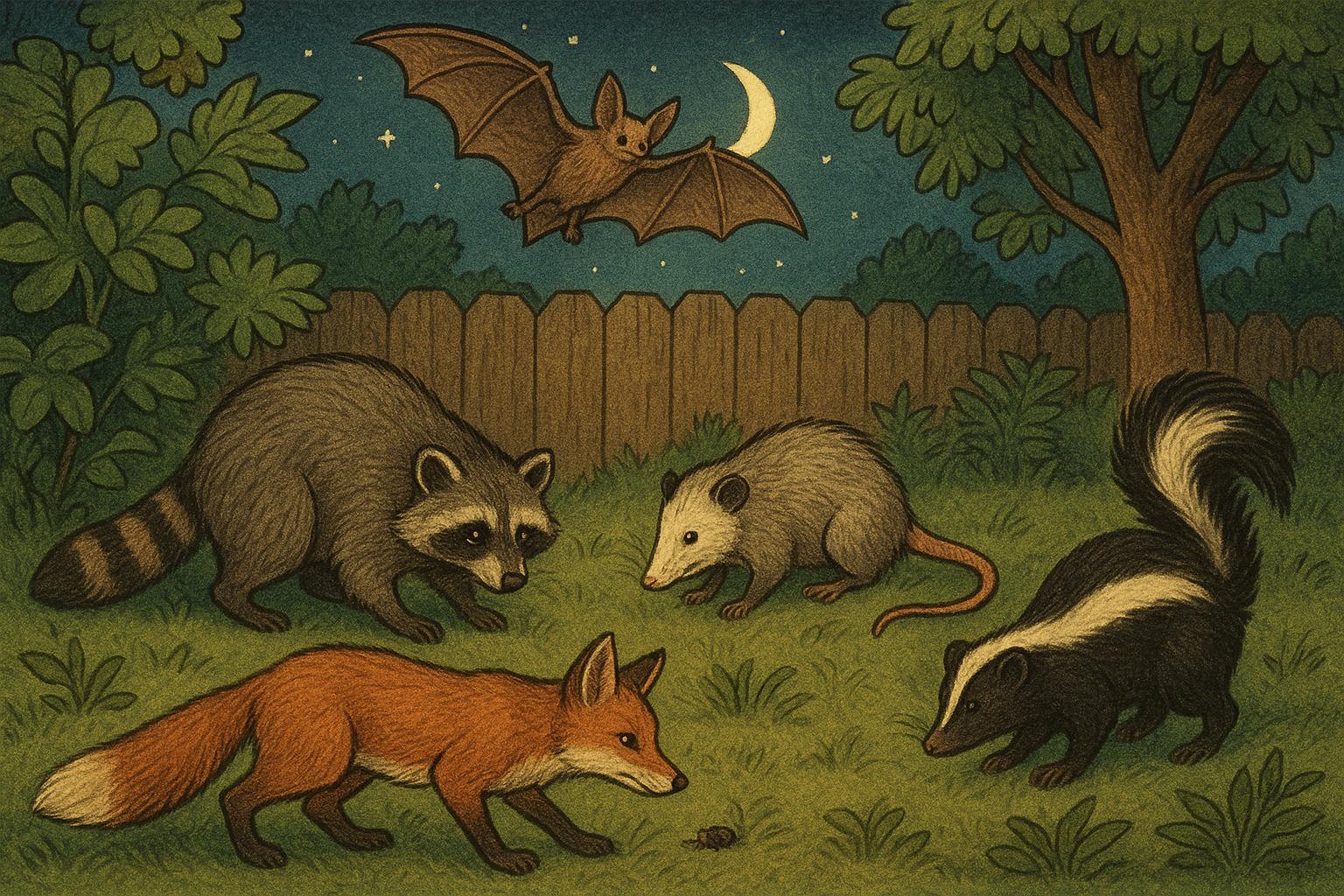
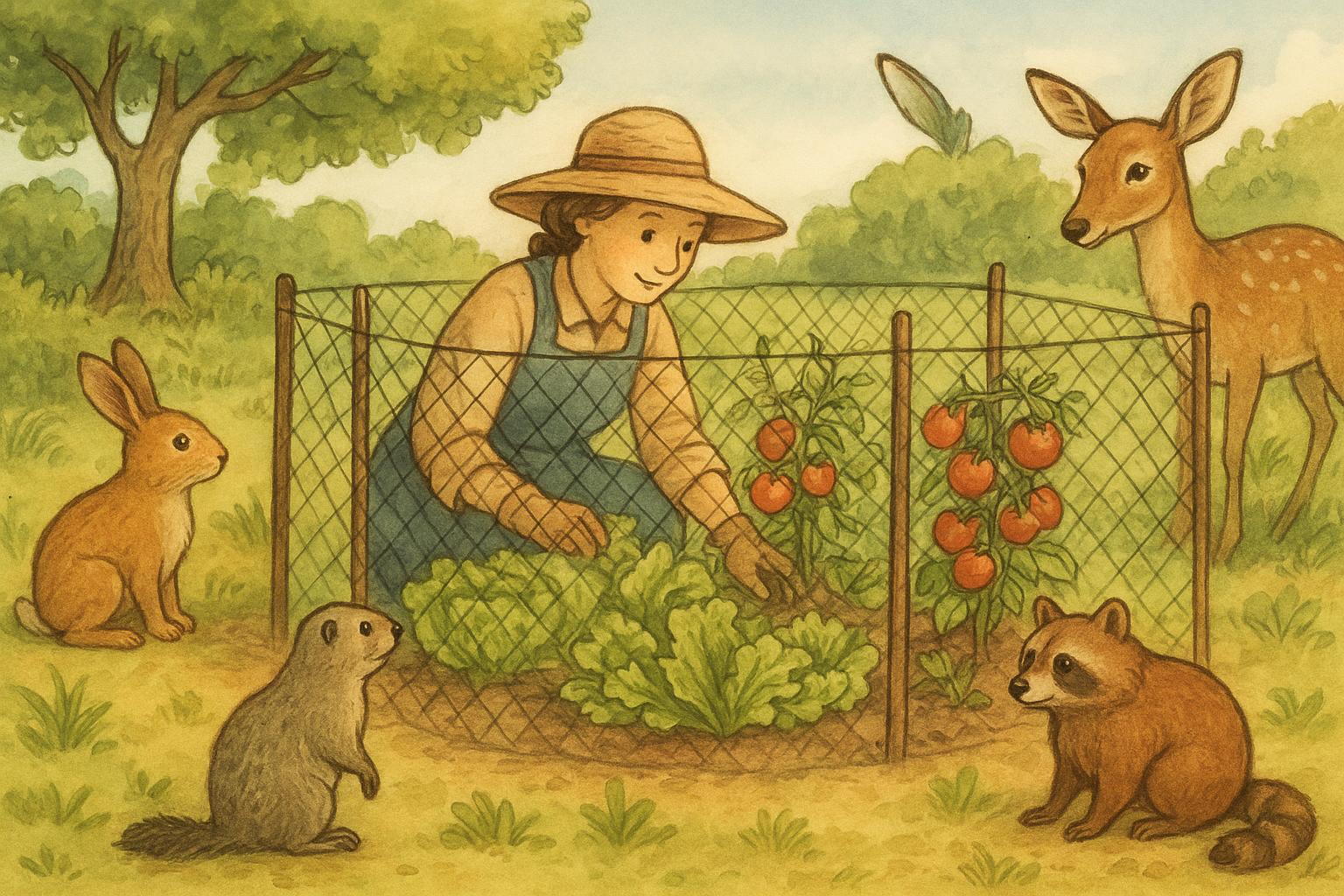
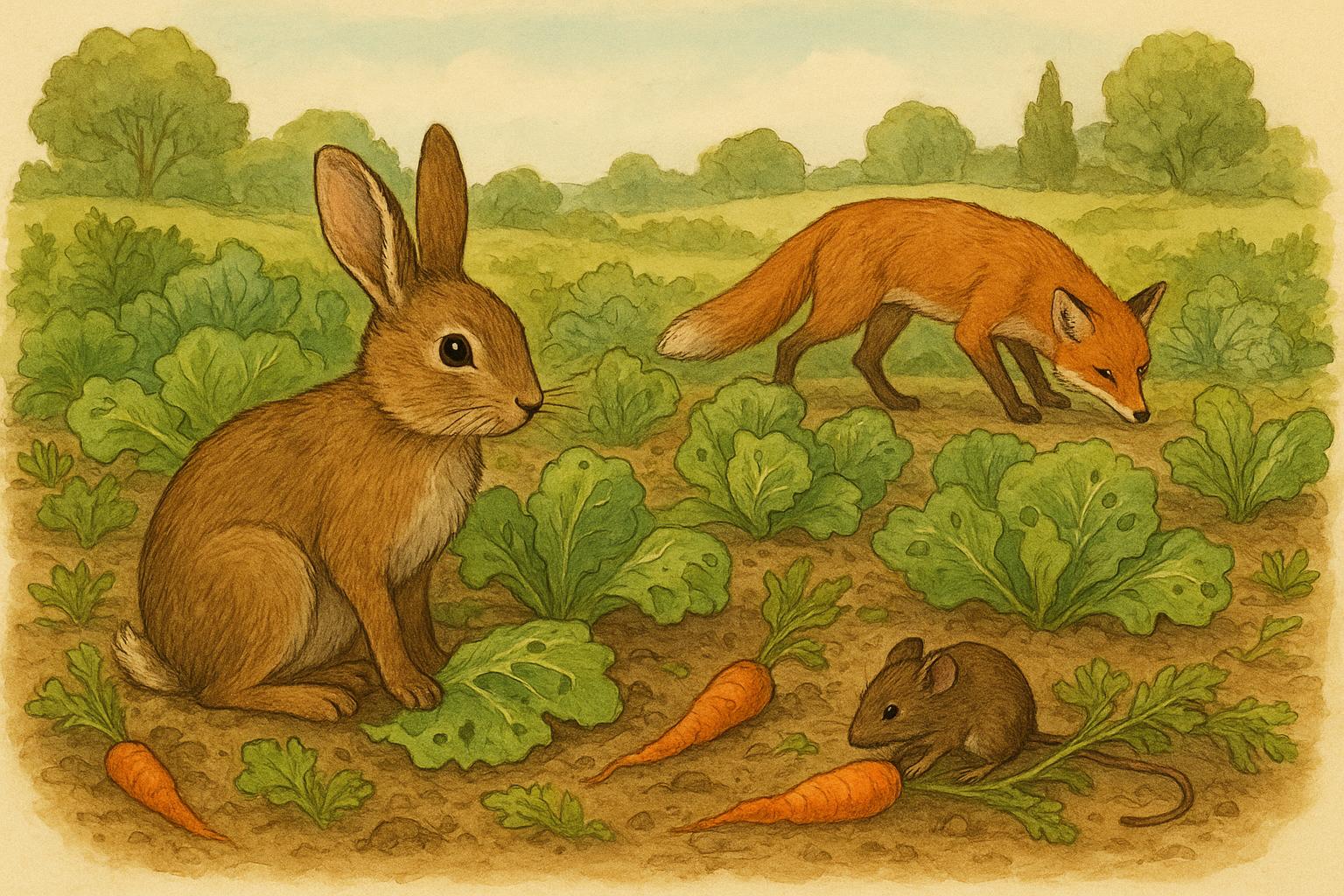
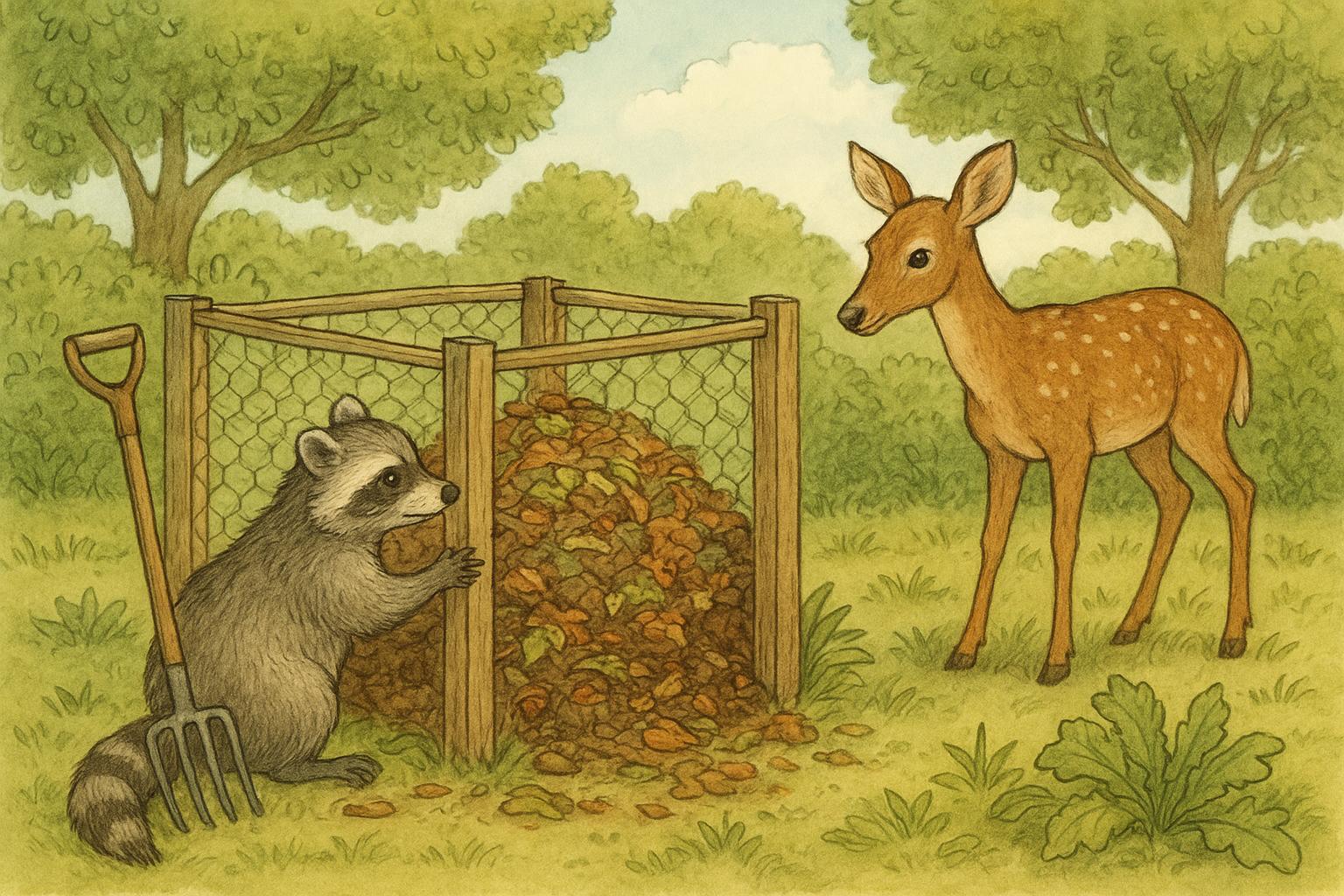
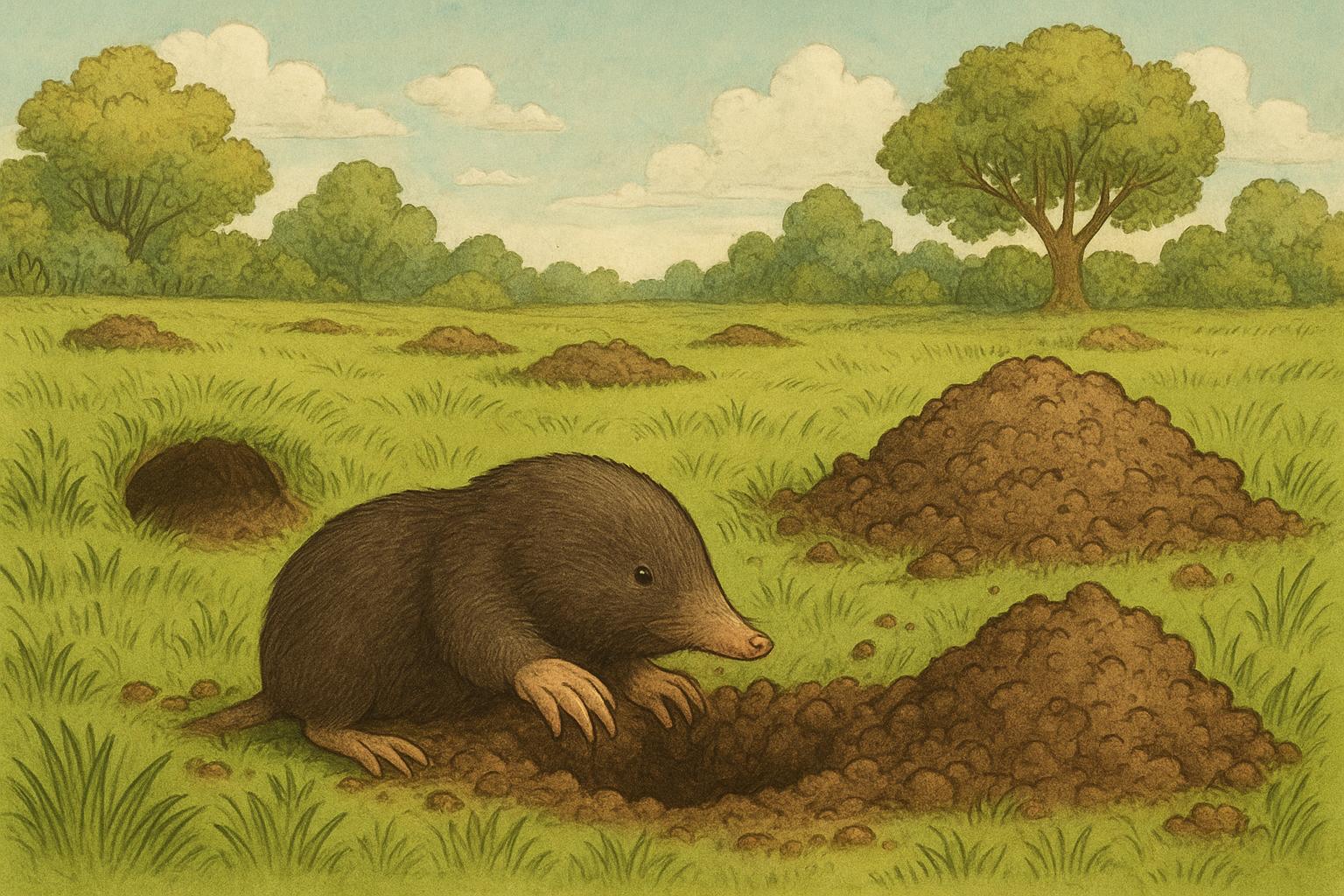
Rabbits nibble seedlings at the base, deer leave clipped edges, and raccoons dig for grubs, leaving crescent-shaped holes. Each animal leaves distinct marks. Learning those marks takes some observation, but it pays off. For example, small, neat rows of cut stems might be vole activity. If you misidentify wildlife for disease, you’ll never stop treating the wrong problem.
## Repair Priorities Based On Visible Indicators
Not every visible problem needs the same response. Immediate repair makes sense for erosion, bare spots that invite weeds, or active pest outbreaks. For slow-developing issues like compaction, schedule a seasonal plan: aerate, overseed, adjust watering, then monitor. Using lawn surface damage indicators as your priority list saves time and money.
### Quick Fixes Versus Long-Term Changes
A quick fix might be topdressing a small patch or applying a targeted insecticide where grubs are active. Long-term changes involve altering irrigation coverage, replacing grass varieties, or trimming back trees to improve sunlight. If you see the same issue every year, it’s time for a structural change. If it’s new and isolated, try a focused repair.
#### Planting Choices To Prevent Repeat Damage
Sometimes the answer is to plant the right grass rather than keep fighting the wrong grass. Shade-tolerant mixes, drought-resistant varieties, or tougher blends for high-traffic spots are better investments than repeated band-aid treatments. Choosing the right turf for the actual conditions is preventative maintenance.
Look for the little things. A scrape on a blade, a narrow wet band, or a regular bare track tells a story. Follow it. Fix the cause, not just the symptom. By reading the yard like a notebook, you stop reacting and start managing. And when you do that, the signs that once annoyed you become useful lawn clues that save time and keep the grass healthier. Oh, and one more tip: label your sprinkler heads. It sounds trivial, but it prevents a lot of needless tweaking and misdiagnosis when you’re trying to trace a problem that occured last summer.



Leave a Reply