
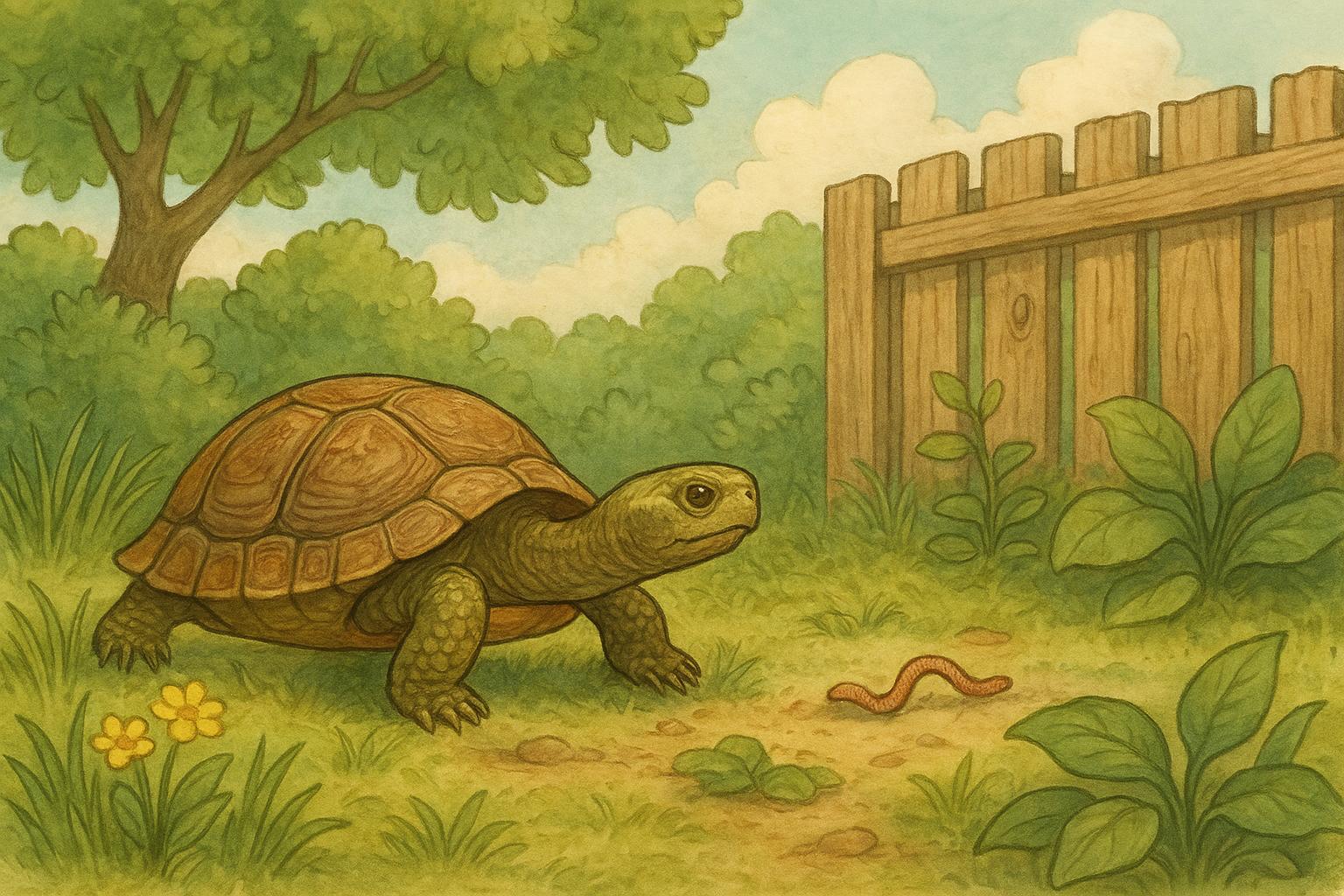
## Turtle Behavior You Can See In Your Yard
A turtle on your lawn is not a random decoration. It’s part of a pattern you can learn to read. Walk past a pond, a drainage ditch, or a brushy garden and you might catch a sequence: slow crawl, bask, slip into water, feed at dusk. Those are pieces of turtle behavior, and once you notice them, your backyard turns into a living field notebook.
Many people first encounter common species: painted turtles sunning on a log, box turtles nosing through leaf litter, or slider turtles paddling near the surface. Each species shows a different rhythm. Sliders usually sun themselves in groups near open water. Box turtles prefer shady routes across lawns and under hedges. Recognizing those rhythms makes it easier to predict turtle activity and respond in ways that help the animals — or keep them out of places you’d rather they not be.
### Where Turtles Choose To Be
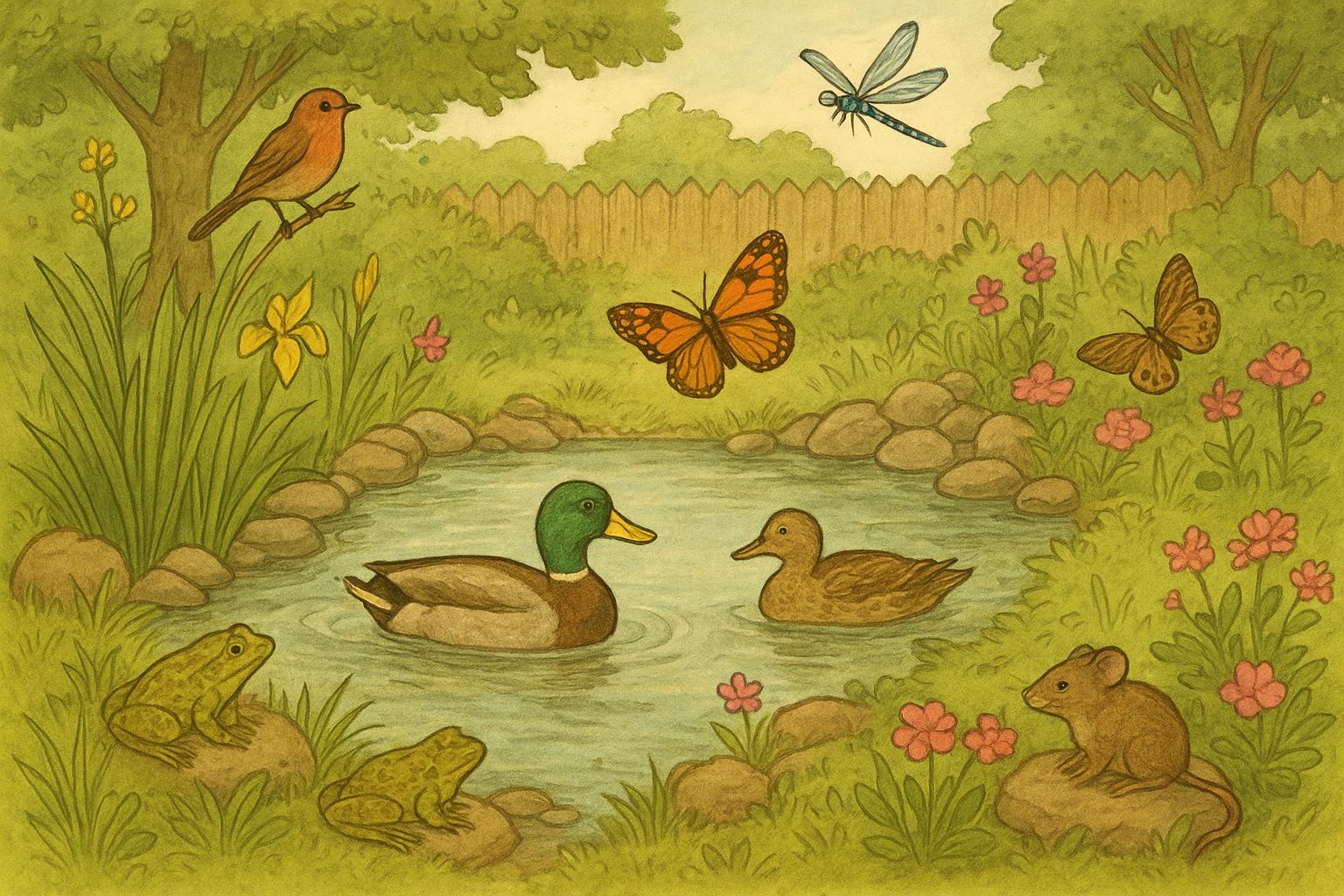
Turtle habitat choices are practical. They want water to escape predators and moisture to keep from drying out, but they also need dry land for nesting, basking, or digestion. If you have a small pond, a damp garden patch, or a sunny rock ledge, you’ve already created micro-habitats that attract different behaviors.
– Basking spots: flat logs, rocks, or the rim of a pond are favorites. Basking helps turtles regulate body temperature and synthesize vitamin D.
– Nesting sites: sandy, well-drained soil in a sunny spot is where females dig a chamber for eggs. You’ll sometimes see a turtle on a slow, purposeful walk during nesting season; it’s not lost, it’s looking.
– Foraging zones: shallow water with vegetation and soft-bottomed edges are prime feeding areas.
If you’re tracking turtle activity, map these features. Not every yard needs a pond to host turtles. A shallow rain garden with a muddy edge can be enough. Note the times of day different spots are used. That tells you what the animals are actually doing, not what you expect them to do.
### How Seasons Change Turtle Behavior
Turtles are cold-blooded. Their tempo follows the thermometer. In spring, they emerge from hibernation sluggish and hungry. Expect more movement and more visible basking as they warm up. Summer brings energetic feeding, nesting trips, and frequent basking. In late summer and early fall, there’s a slowdown as they bulk up for winter, and by late fall they retreat to hibernation sites or bury themselves in mud or leaf litter.
Turtle activity spikes at specific seasonal moments. For instance, in many regions nesting happens in late spring to mid-summer, so you might see female box turtles crossing roads or lawns in search of dry, sandy soil. Meanwhile, painted turtles will have a predictable daily pattern in summer: feed at dawn and dusk, bask mid-morning and late afternoon.
### Reading Movement: What Different Actions Mean
When you see a turtle, what it’s doing often tells you why it’s there.
– Basking: turtle behavior that indicates thermoregulation. If they’re on a log or rock with limbs outstretched, they’re warming up.
– Head-raising and stretching: often follows basking and signals readiness to move or feed.
– Submerging slowly: a cautious retreat, usually triggered by nearby disturbance.
– Rapid paddling or frantic digging: distress. It pays to give a wide berth if a turtle behaves this way.
These snapshots let you infer needs. A turtle that basks early but disappears midday might face predation pressure and relies on quick warming to remain active. One that spends long hours underwater might be feeding in a rich patch or avoiding contested basking spots.
### Encouraging Responsible Turtle Sightings
If you want more turtle sightings without stressing the animals, tweak the backyard gently. Add native plants along pond edges to offer shelter, place a few flat stones near water for basking, and avoid bright, continuous lighting at night that disorients wildlife. Keep chemical use to a minimum — pesticides and fertilizers run off into water and alter the food web. A shallow, gently sloping entry into water makes it easy for hatchlings and small adults to get in and out.
When you see a turtle crossing a road or in immediate danger, move it in the direction it was headed, not back where it came from. Use thick gloves or a towel, supporting the shell from beneath. Never relocate a turtle long distances; they have home ranges and may try to return. If you routinely spot the same turtle, keep notes: date, location, time, and the behavior observed. Over a season you’ll learn patterns that tell you whether your yard is a breeding ground, a feeding stop, or a travel corridor.
#### Using Simple Tools To Record Behavior
You don’t need fancy equipment to monitor turtle activity. A notebook, a phone camera, and a simple map of your yard suffice. Record times and specific actions: basking, feeding, nesting, crossing streets. If you want to be more systematic, set up a motion-activated camera near a basking log or install a simple trail camera at ground level along a known route. Even a series of time-lapse photos from a single vantage point will reveal daily cycles.
Keep individual IDs when possible. Shell markings, scars, and the shape of the carapace can help you tell one turtle from another. That’s how you learn which individuals return year after year and which are transient visitors.
#### Signs Of Nesting And Hatchlings
Nesting behavior is unmistakable once you know what to look for. A female will appear heavier-bodied in the rear, walk unhurriedly across lawns or roads, and then excavate a conical hole with back feet. After laying, she covers the nest with soil and tampers it flat. If you find a nest, mark its position discreetly and leave it alone. Mowing, heavy foot traffic, and pets are common threats. If predation is a problem, consider a small cage over the nest that keeps predators out but allows hatchlings to emerge.
Hatchlings come out at night or in cooler parts of the day and head toward water cues — humidity, open sightlines, and the sound of running water help guide them. Artificial lighting can confuse them. If you see disoriented hatchlings, gently guide them toward water or shaded vegetation.
### Predators, Risks, And Human Interference
Backyards bring new hazards. Raccoons and skunks are notorious egg predators. Dogs and cats can harm young turtles or harass adults. Vehicles are another major risk during nesting season. Even well-intentioned humans can do harm: relocating a turtle from one pond to another may introduce disease or upset local ecological balances.
Pay attention to injury signs: cracked shells, swollen eyes, or persistent lethargy. Contact a local wildlife rehabilitator if you find an injured turtle. Do not attempt to treat serious injuries yourself. If you feed turtles, avoid bread and processed foods. Offer small amounts of appropriate items like cut-up leafy greens, insects, or specific formulated pellets. Feeding can change natural foraging patterns and increase aggression or crowding if done excessively.
### How To Interpret Increased Or Decreased Activity
A sudden surge in turtle activity can signal environmental changes. Drought might push turtles to higher ground; heavy rains can prompt mass movements, especially during migration and nesting. Conversely, a drop in turtle activity could indicate pollution, habitat loss, disease, or increased predation. Watch for gradual trends across weeks or months rather than one-off days — that’s where meaningful patterns emerge.
If turtle sightings decrease in a year where you used to see many, check water quality, nearby development, and recent pesticide use. Small changes in a yard — replacing a pond ledge with concrete, installing a retaining wall, or introducing new fish species — can make a big difference in who shows up.
### Practical Yard Modifications That Help Turtles
Making a yard turtle-friendly doesn’t mean turning it into a wetland. Small, intentional changes have a big effect. Add a shallow shelf in a pond versus sheer vertical walls so turtles can haul out easily. Create a handful of sunny spots with flat stones. Keep a patch of native vegetation along water edges. Avoid terracing every inch of the yard; gentle, irregular edges mimic nature and give turtles places to move and nest.
If you want to discourage turtles from certain areas, block access gently. A low, buried mesh fence can steer them away from vegetable beds without trapping them. But remember: fencing can also trap hatchlings or keep adults from reaching critical nesting grounds. Design with escape routes in mind.
### Learning From Your Observations
Turtle behavior is not static. It’s responsive to temperature, food availability, predators, and human presence. Over a season, you’ll notice predictable cycles and occasional surprises. Keep a simple log and revisit it each year. The more data you collect, the better your sense of what normal looks like in your patch of land — and the quicker you’ll spot when something’s off.
One final, practical point: patience. Turtles move on their own timetable. Sit quietly at the pond edge, and you’ll see things you wouldn’t from behind a screen. Bring a thermos. Stay still. Wait. The animals will do the rest, revealing a quiet, slo-mo world that’s right outside your door. And if you miss a moment, there will almost certainly be another one tomorrow — unless you’ve changed the enviroment in a way that drives them away.




























Leave a Reply