
## Under Deck Wildlife Guide: Common Sightings
Most people never look under their deck until something goes wrong. Then they find nests, droppings, shredded insulation, and the unmistakable smell of a critter that moved in months ago. This under deck wildlife guide is meant to be the sort of thing you wish you had months earlier: clear, practical, and rooted in what actually happens beneath wooden or composite decks.
I’m not selling a service. I’m describing behavior and solutions you can use right away. If you have a home with crawl space vents or open decking, this is where wildlife congregates. It’s sheltered, often dry, and tucked away from humans. Small animals take advantage of that. Big animals sometimes use it as a temporary staging area.
### Typical Animals You’ll Find
#### Small Mammals
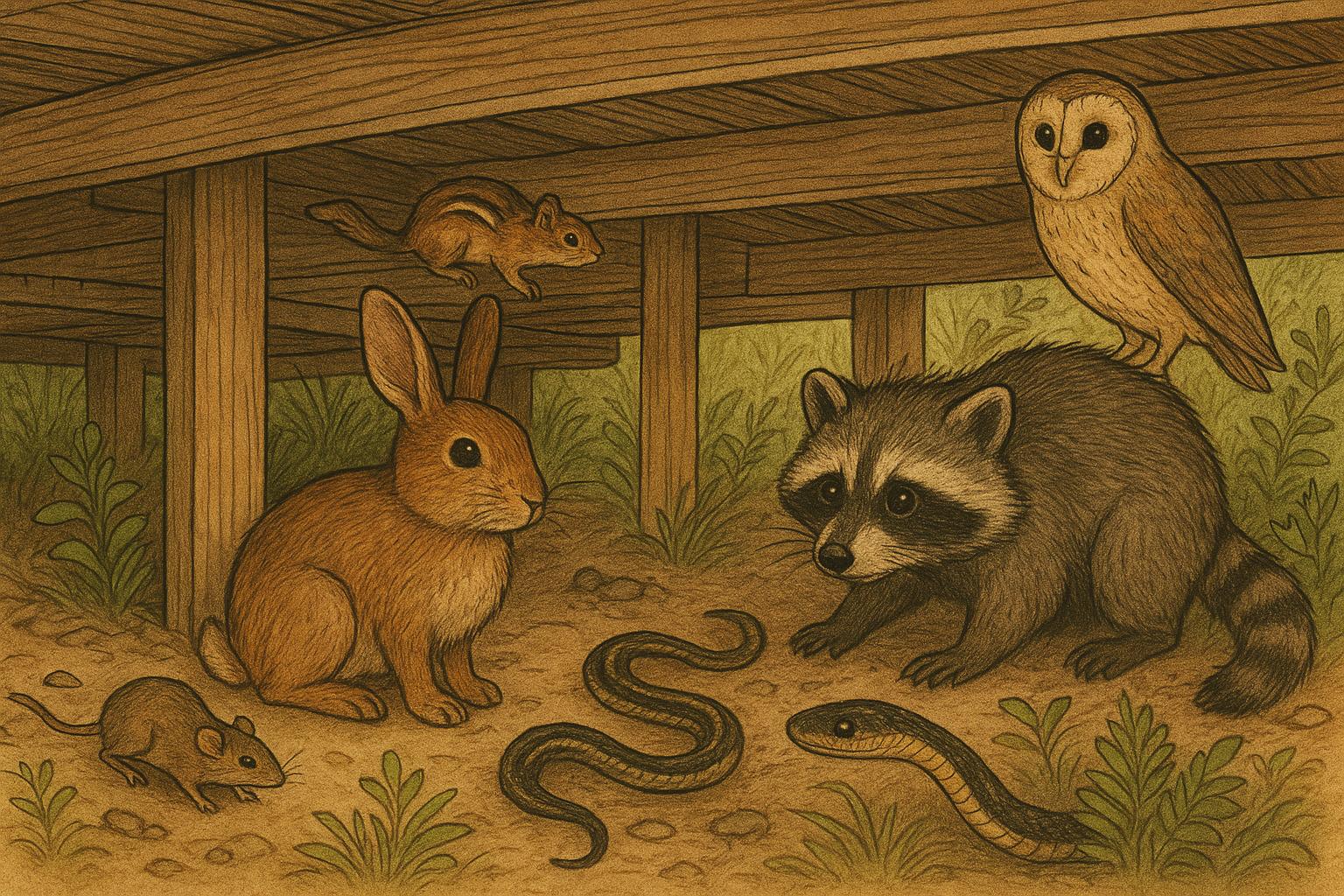
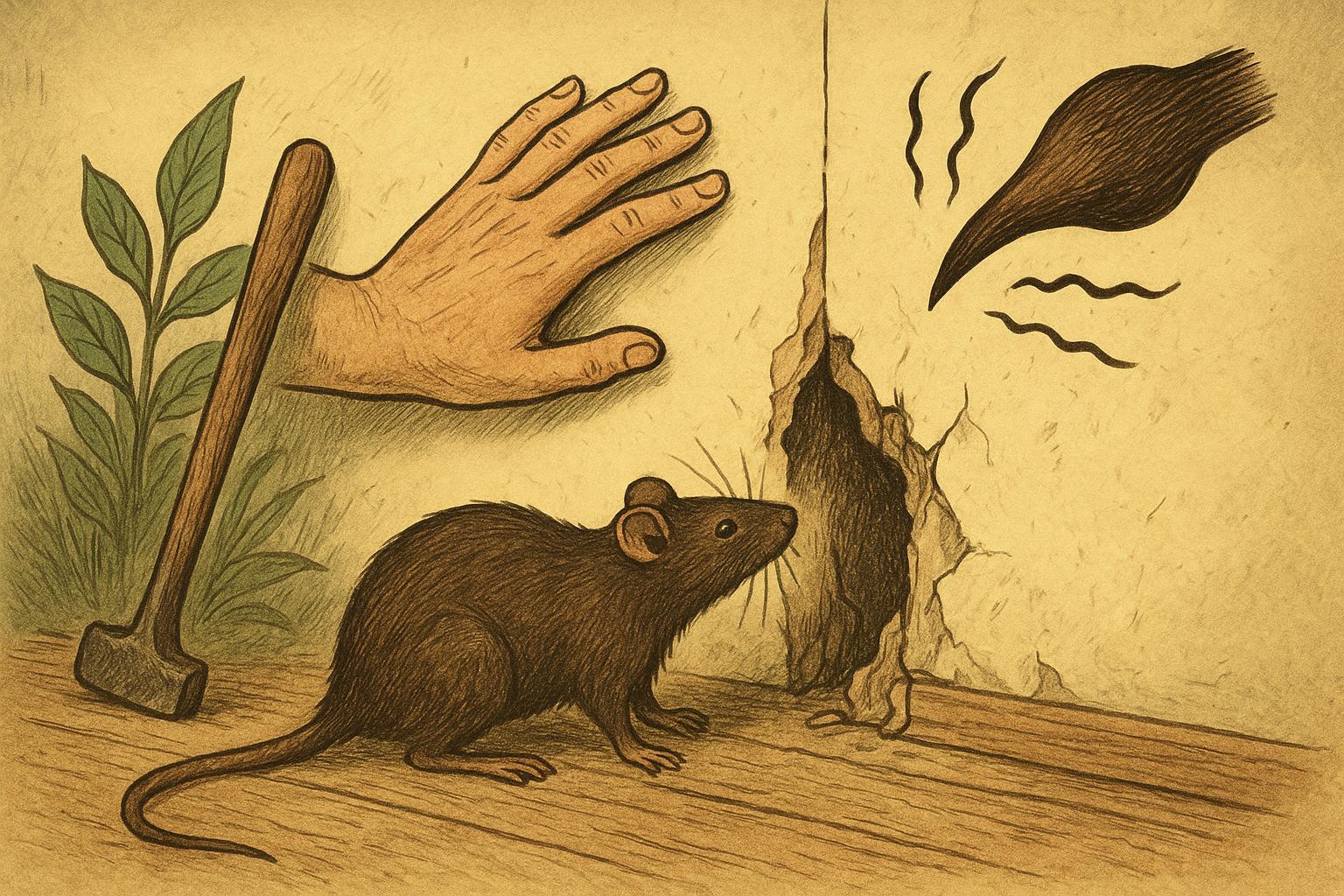
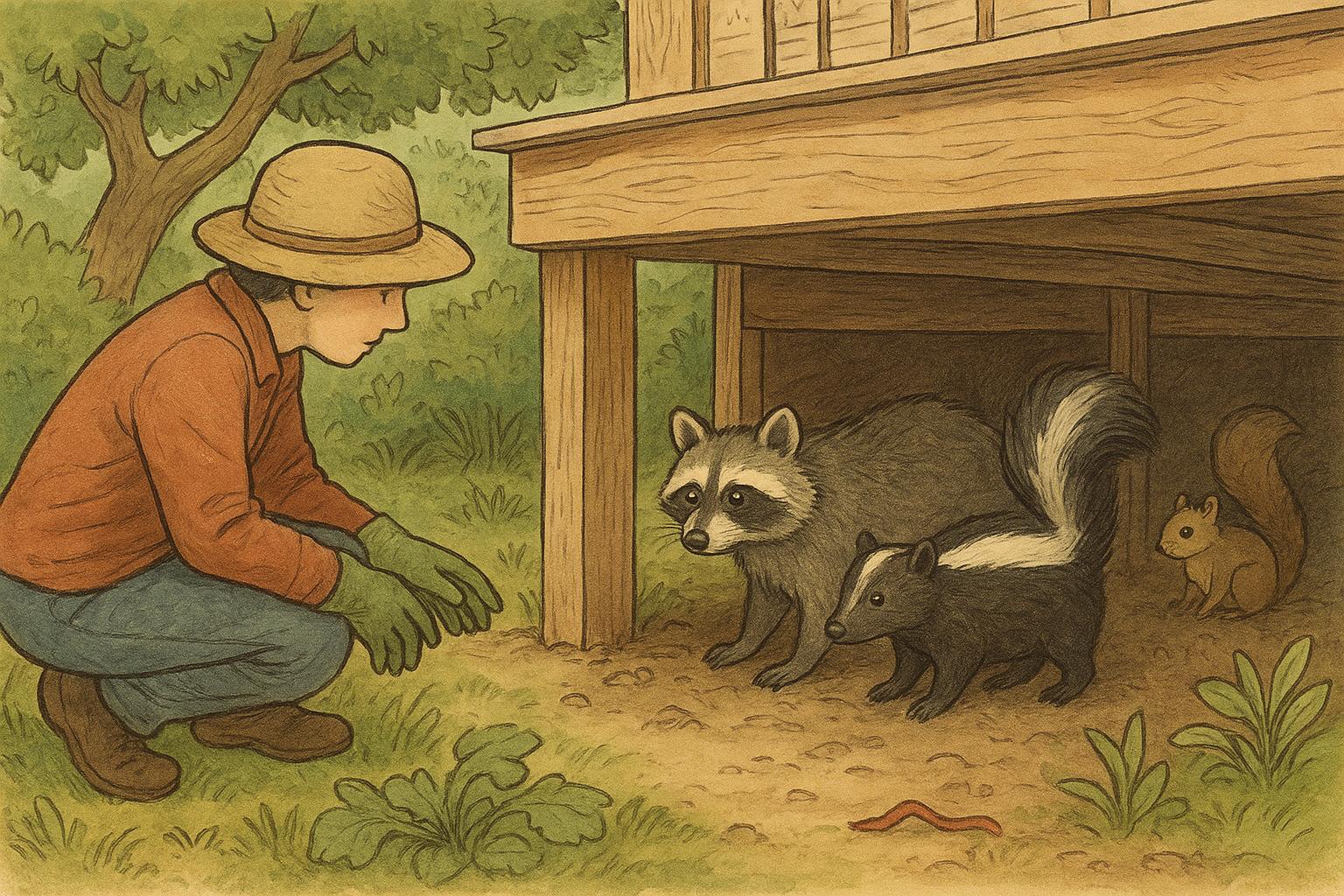
Raccoons, rats, mice, and opossums are the usual suspects. They’ll chew through plastic edging, stash food, or build a nest in any loose insulation. Raccoons will also drag things under the deck and rip up grass nearby.
#### Medium-Sized Wildlife
Skunks and feral cats often show up under decks. Skunks are quieter but make themselves known with scent. Cats create dense nests from leaves and will scratch at wooden supports.
#### Reptiles And Amphibians
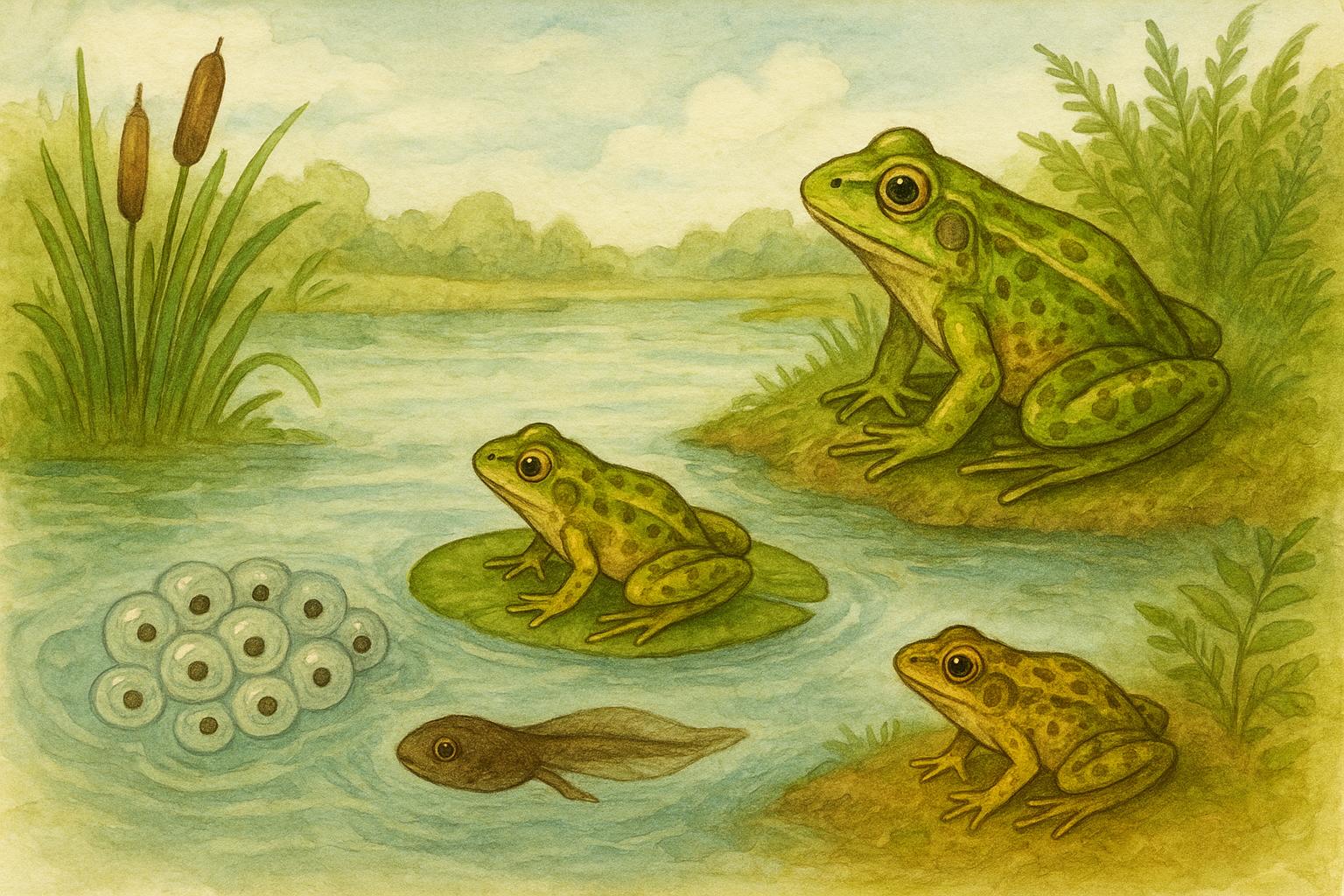
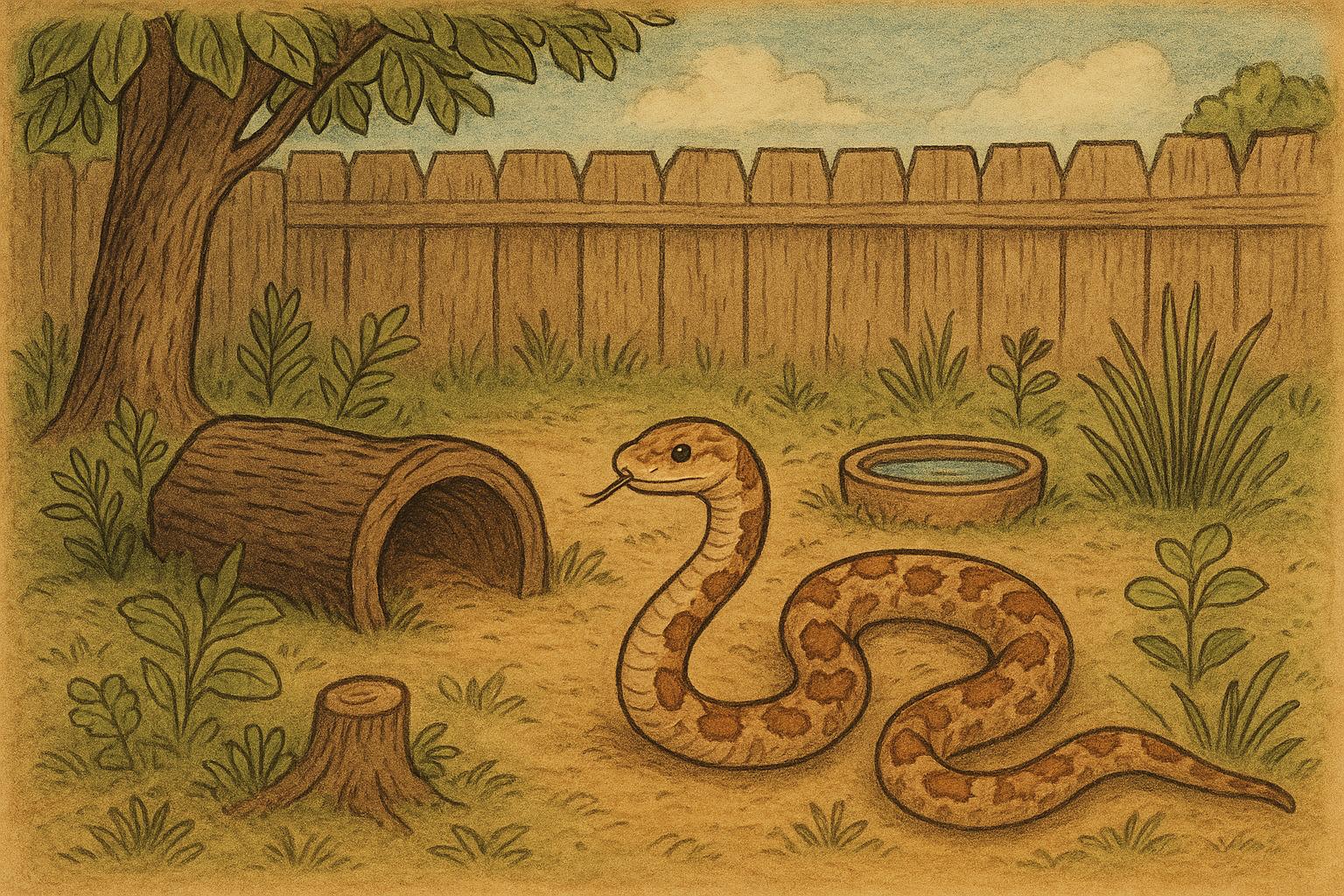
Snakes and toads turn up where there’s moisture and insect life. They aren’t always the problem you fear, but they indicate other ecological activity beneath the boards.
#### Birds And Bats
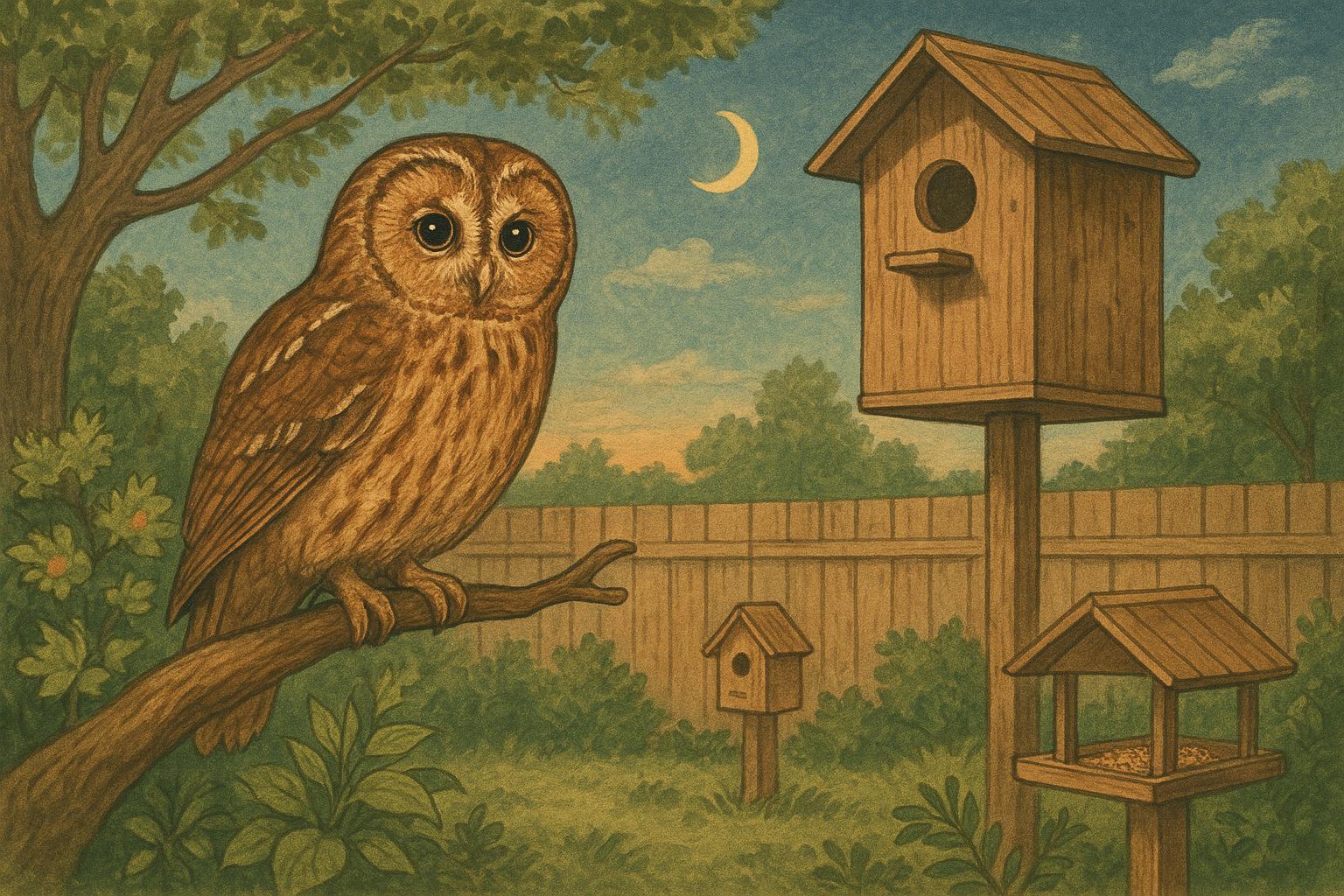
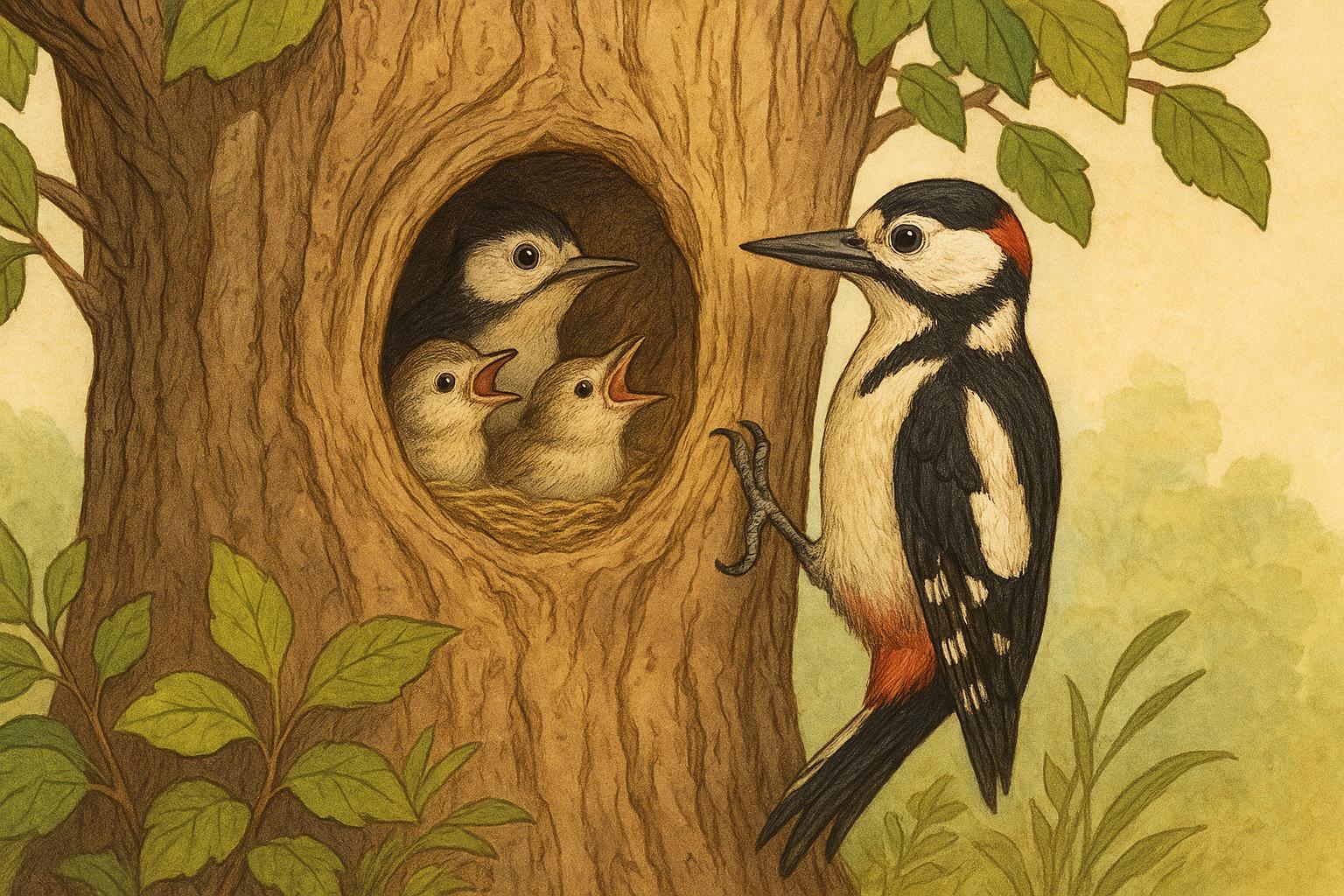
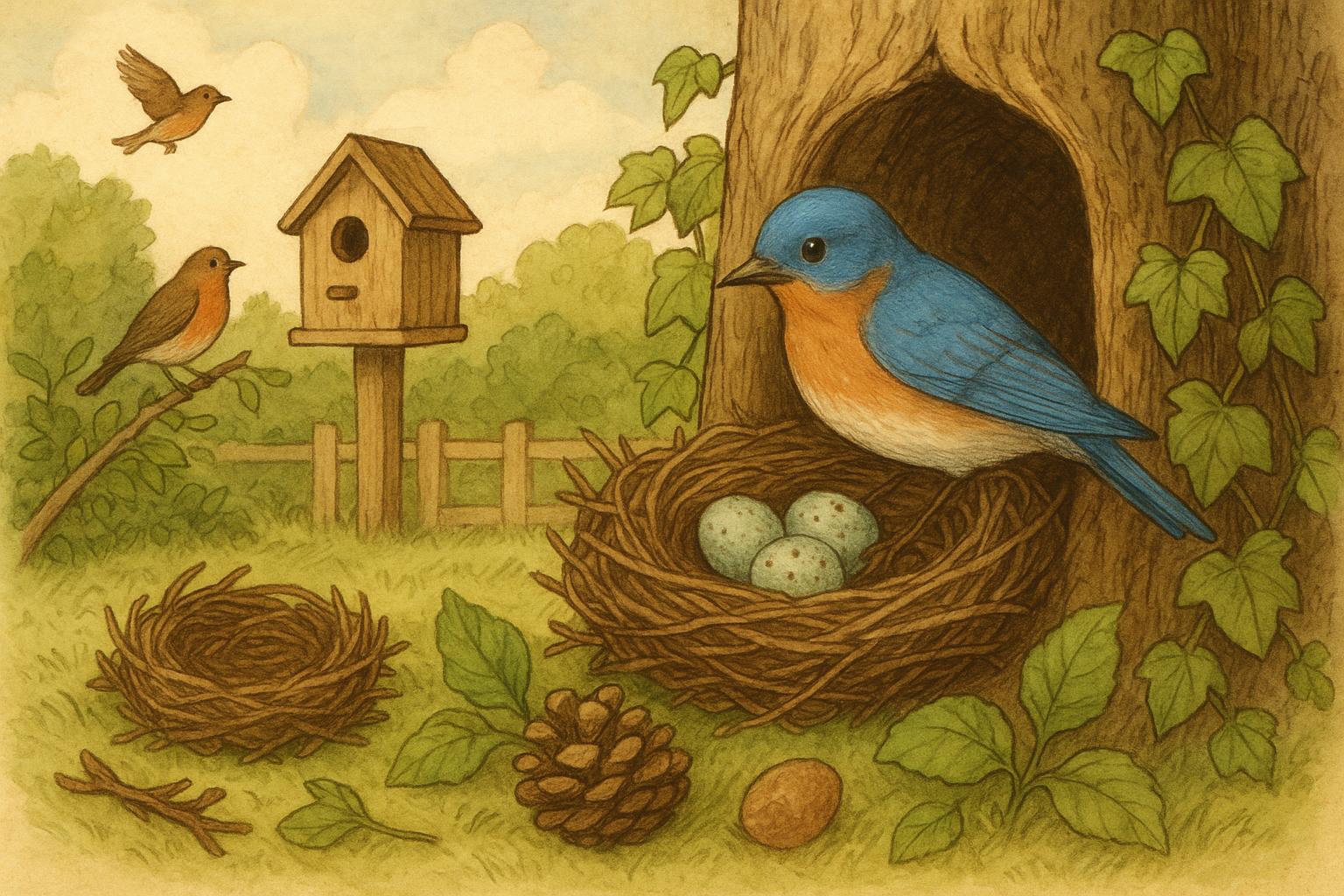
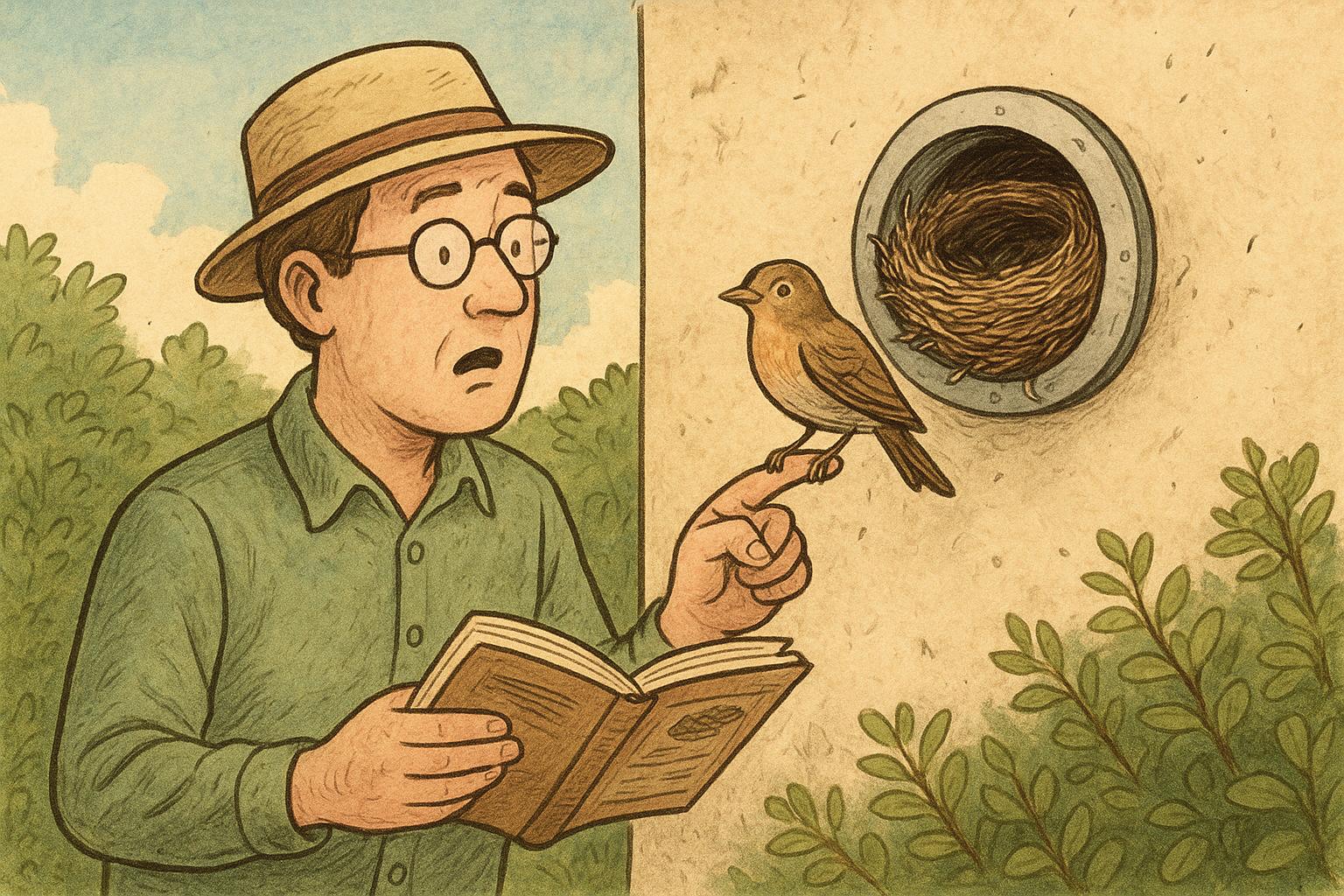
Sparrows and starlings sometimes nest under decks, especially if there’s a deep void. Bats prefer higher, darker voids but will roost in some types of deck framing. Bats are worth treating carefully because of disease risks.
### Why They Choose Decks
#### Shelter And Thermal Buffer
An under deck space is stable. In winter it’s warmer than open ground and in summer it’s shaded. Animals that need consistent conditions will set up shop there.
#### Easy Food Sources
Leftover food, birdseed, pet bowls, and unsecured trash attract animals. Even compost piles near the deck act as a magnet.
#### Low Disturbance
If you don’t spend much time on the deck, the space becomes an unbothered hideout. Some animals learn to come and go at night when human activity is low.
## How To Spot Intrusions Before They Become Problems
### External Clues
Look for scratched wood, torn siding, and paw prints in dirt. Scat is a reliable indicator — size and content tell you what you’re dealing with. Raccoon droppings often contain seeds and corn. Rat droppings are pellet-shaped.
### Odors And Sounds
A musty smell or the smell of ammonia often means urine buildup. Scratching or chittering at night is another tip-off. If you hear repeated thumping, you might have larger animals moving stored material.
### Vegetation And Soil Signs
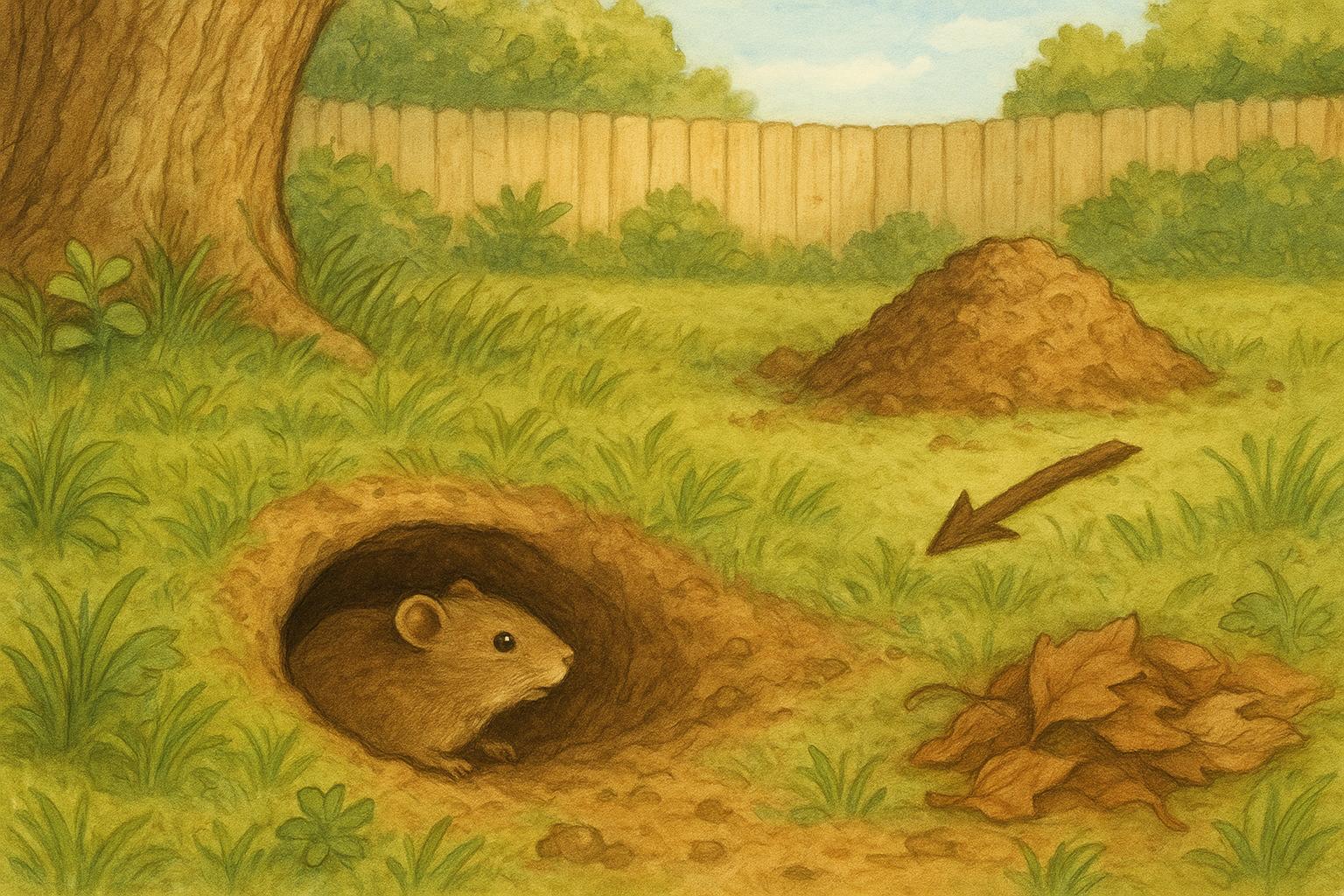
Trampled plants, dug holes, and displaced mulch are classic signs. Snakes often follow rodent runs, so if you have a system of tunnels near the house, expect snakes eventually.
### Visual Inspection Tips
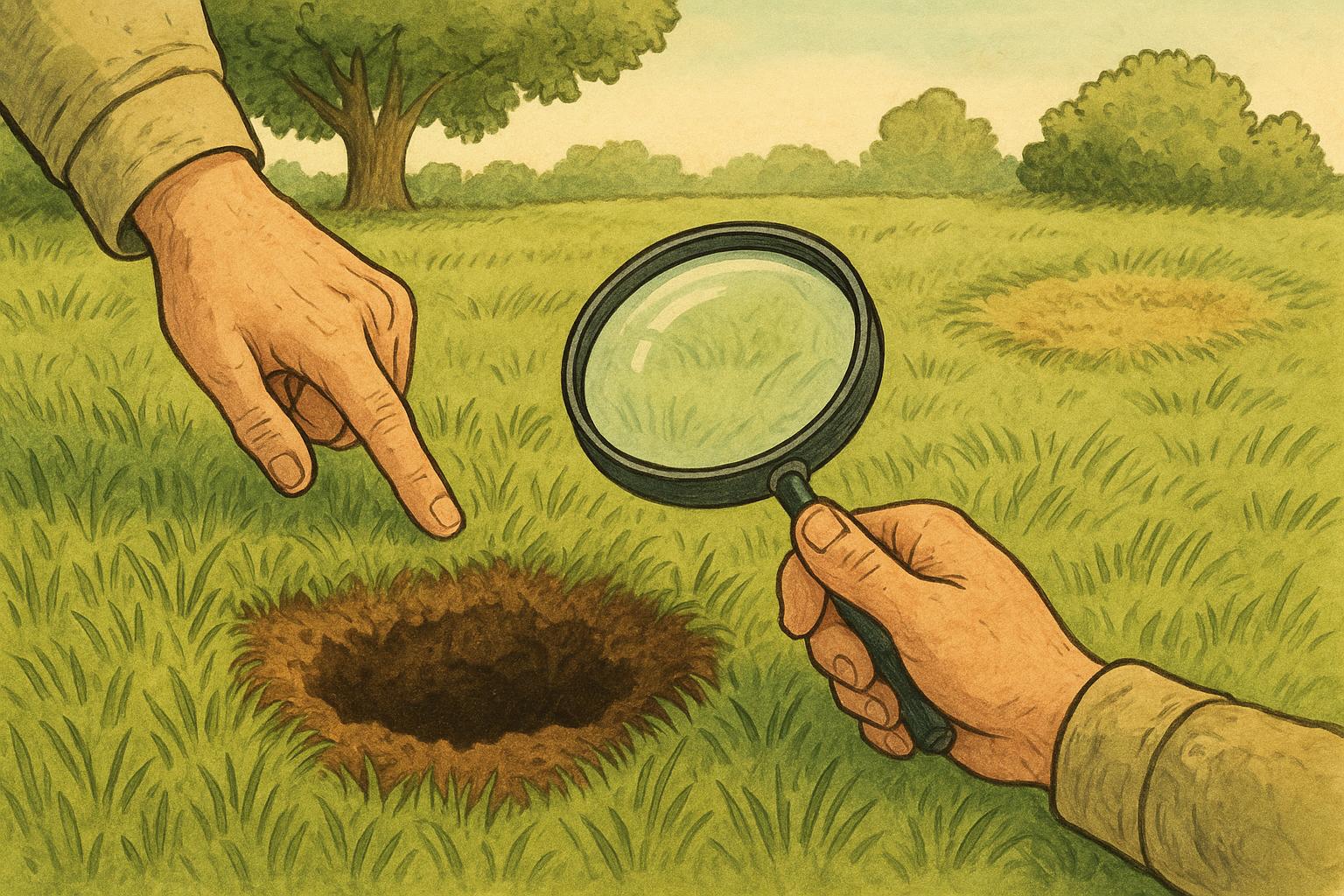
Get on your knees and look from multiple angles. Use a flashlight and a mirror if necessary. Note entry points: gaps wider than three inches invite medium-sized animals. Make a simple sketch or take photos; you’ll want to track changes over time. Be careful. If you suspect a raccoon or skunk den, don’t reach in.
#### Tools That Help
A strong flashlight, a camera, and knee pads. A simple camera with night mode catches nocturnal behavior. Carry gloves and a face mask. You’ll see old nesting materials that are matted with urine. That’s a health hazard.
### Seasonal Patterns
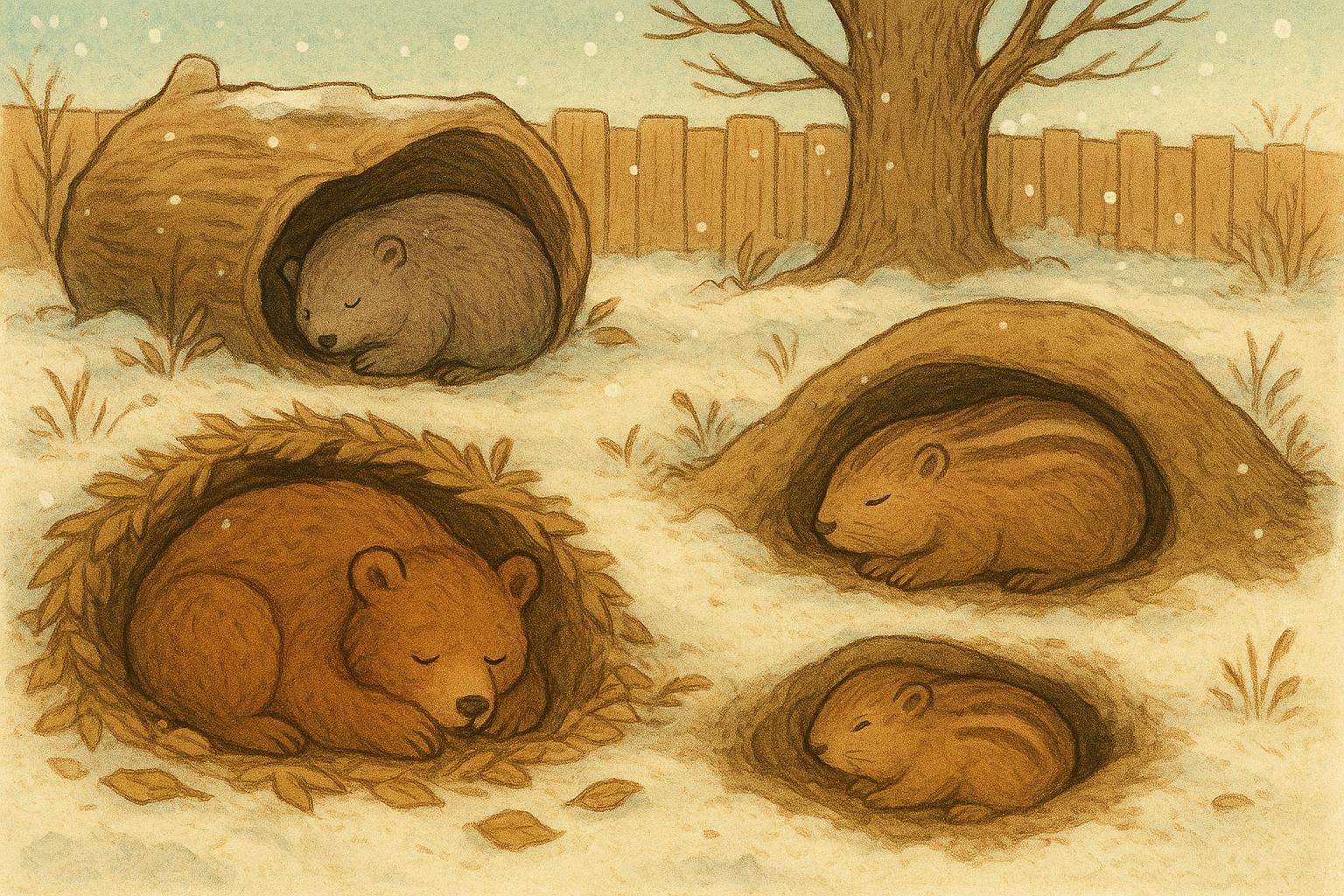
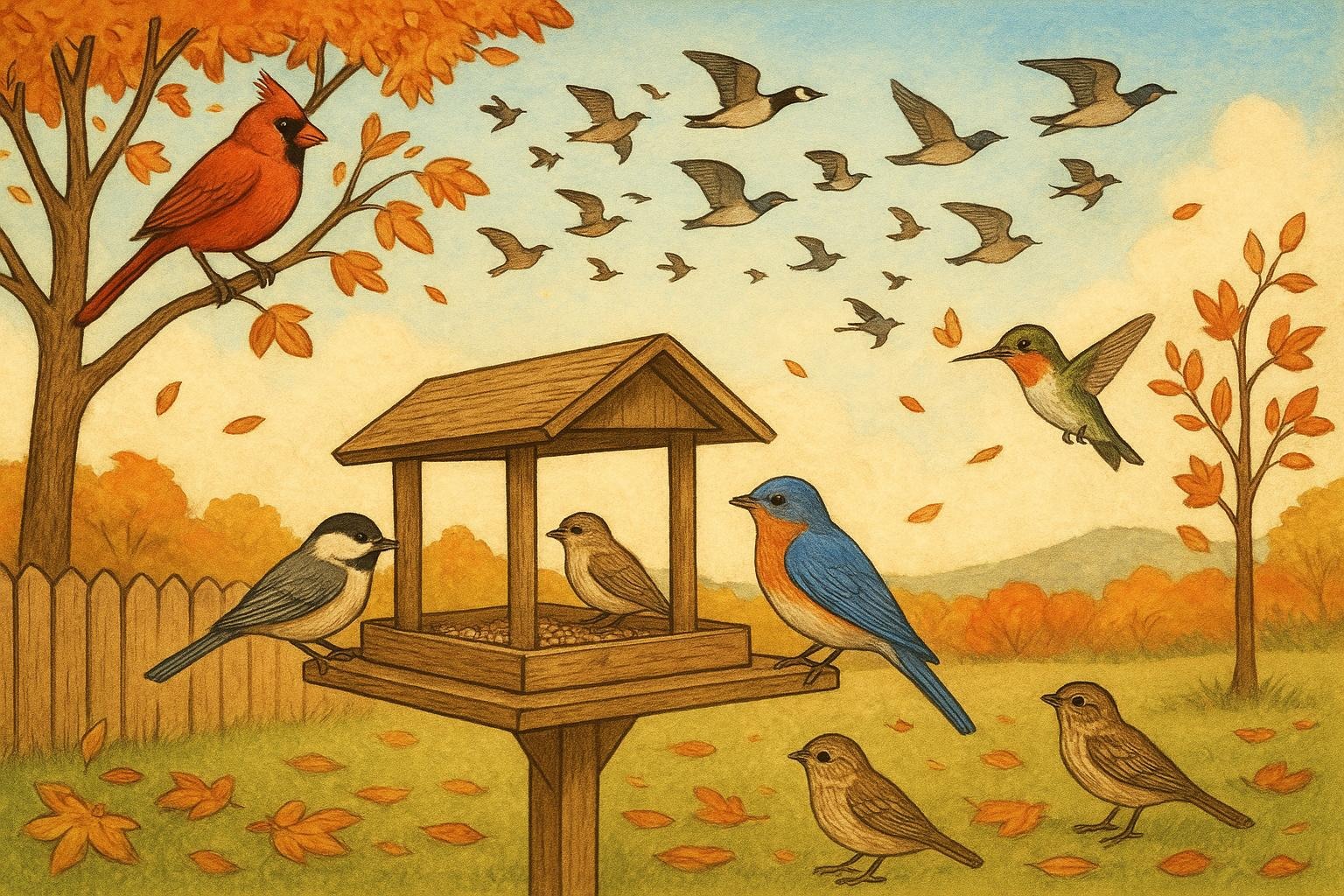
Spring brings nesting activity. Summer shows increased juvenile movements. Fall sees animals preparing for winter — they stash food and line nests. Winter has fewer visible signs, but underneath it can be very active as animals seek warmth.
## The Real Risks Of Ignoring Yard Intruders
### Structural Damage
Wood rot accelerates with persistent animal presence. Urine and moisture weaken support beams. Rodent gnawing can expose wiring and create fire hazards. I’ve seen homeowners replace joists because rats destroyed the fascia.
### Health Hazards
Rodent droppings can carry hantavirus; raccoon latrines carry roundworm eggs. Even small amounts of dried droppings become airborne and inhalable. Anyone cleaning a heavily used under-deck area should use respirators and follow safety protocols.
### Property Value And Nuisance
Persistent yard intruders degrade the way a property feels. Prospective buyers notice odd smells and damaged landscaping. Neighbors notice if animals use your yard as a food source and then move across properties.
## Practical Exclusion Methods That Actually Work
### Blocking Access Points
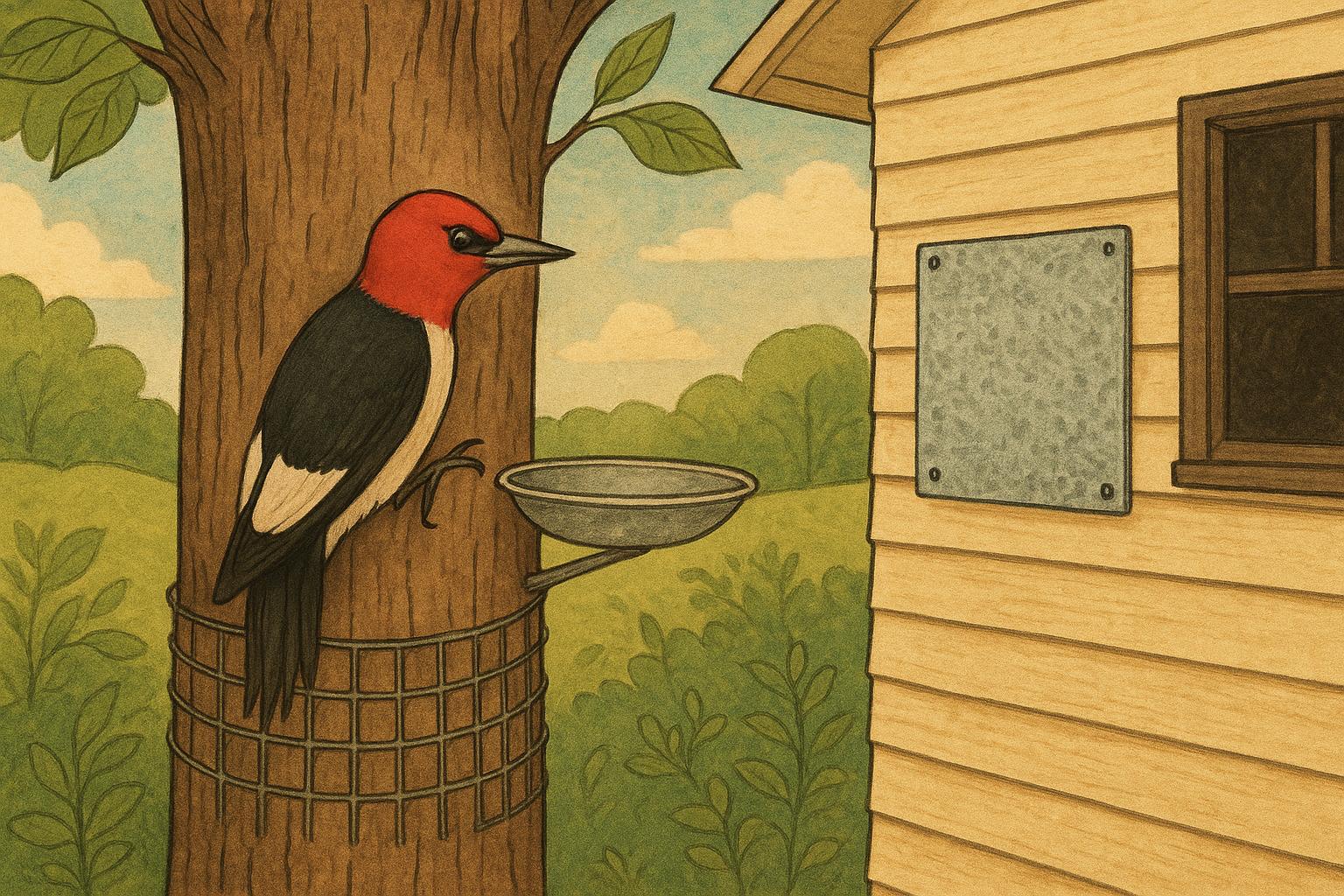
Seal gaps larger than three inches with hardware cloth or galvanized sheet metal. Use metal flashing around support posts where animals can climb. Avoid chicken wire — rodents chew through it.
#### Timing Matters
If it’s nesting season you need to confirm there are no young inside before sealing. Sealing a mother in with babies leads to louder problems and possible legal protections for certain wildlife.
### Deterrents That Aren’t Snake Oil
Motion-activated lights and sprinklers can deter many species. Scent repellents are inconsistent, but professional-grade predator urines sometimes work for a few weeks. Remove attractants first; deterrents alone are short-term fixes.
### Remove Food Sources
Secure trash in animal-proof bins. Feed pets indoors or remove bowls after feeding. Clean spilled birdseed and move compost bins away from the house. Even a small change — emptying a grill of crumbs after use — lowers the appeal significantly.
### Establish A Buffer Zone
Keep a barrier of gravel or smooth rock around the perimeter; many mammals dislike walking on unstable rock. Trim vegetation away from the deck so animals lose cover. It’s boring work, but effective.
## Humane Trapping And Removal Considerations
### Know The Law
Local regulations vary. Some places prohibit relocating wildlife. Check municipal rules before you trap or engage a professional. Illegal relocation often ends poorly for the animal.
### When To Call Pros
If you have raccoons, multiple skunks, or signs of an aggressive animal, call a licensed wildlife control operator. Pros handle containment, diseases, and legal disposal. Don’t assume you can resolve a raccoon family overnight.
### DIY Trapping Principles
Use live traps sized to the target species. Bait with appropriate food: cat food often lures raccoons, while peanut butter works for rats. Check traps frequently. Leaving an animal trapped for long periods causes suffering and legal concerns.
#### Release And Disposition
If release is allowed, do it close to where the animal was captured if possible. Release into unfamiliar territory reduces survival chances. Consider euthanasia only as a last resort and through a vet or professional.
## Maintenance Habits That Prevent Re-Infestation
### Regular Inspections
Walk the perimeter every quarter. Look for new roots under boards and small holes in fascia. Make a note of any new droppings or gnaw marks. Prevention is habit work, not a one-and-done fix.
### Weatherproofing Details
Ensure deck boards are properly spaced to avoid large gaps. Replace rotted wood. Add skirting or lattice that is fixed and not easily dislodged. You can add a screened ceiling to reduce birds and bats finding loose spaces.
### Lighting And Activity
Use lighting strategically to discourage night visitors. Regularly using the deck — sweeping, storing items on it, or occasionally placing chairs — makes it less attractive to wildlife. It’s not glamorous, but humans taking up space is effective.
## When Wildlife Signals Larger Yard Intruders Problems
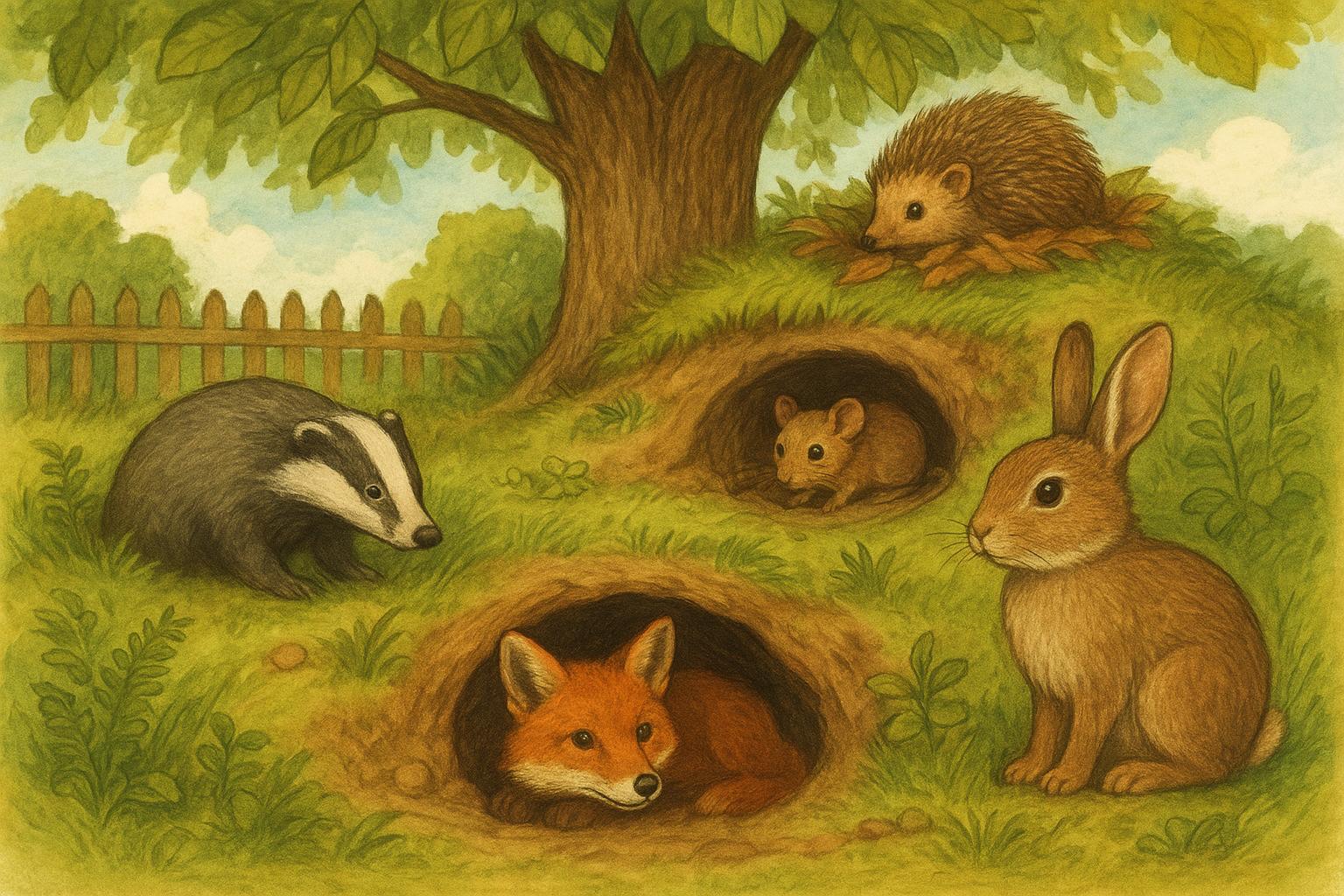
If you find multiple species under the deck, it’s a sign of ecosystem imbalance. Large populations of rodents attract predators like snakes and foxes. That’s when the issue expands from an under deck problem to a neighborhood one. Coordinate with neighbors. A problem in one yard often spreads.
### Documenting For Professionals
Keep photos and a timeline of sightings. Professionals and municipal services appreciate details: when you first noticed droppings, what species you’ve seen, and when you sealed which gaps. That history speeds diagnosis and avoids wasted effort.
#### Simple Records To Keep
– Date and description of sighting
– Photos of droppings or damage
– Actions taken and response observed
A small notebook in your tool shed works fine. Digital photos with timestamps are even better.
## Repair And Remodeling Steps To Make Your Deck Less Hospitable
### Rigid Skirting
Attach a solid skirting using pressure-treated wood or composite panels. Leave a small ventilation gap at the top to avoid trapping moisture. This makes the space less tempting and reduces pest entry.
### Raised Barriers Around Supports
Wrap posts with metal flashing up to about two feet high. Many climbers can’t get a grip on smooth metal. It looks better than it sounds and it works.
### Insulation Choices
Use closed-cell foam insulation if you have to insulate the underside. It resists chewing more than loose fill and doesn’t harbor nests as easily. Replace any old, contaminated insulation immediately — don’t just push it aside.
You’ll want to tackle the problem in layers: remove attractants, block access, and then repair. Pull any nesting material out and dispose of it securely. Clean surfaces with a disinfectant appropriate for wildlife contamination. Wear a respirator and gloves; hantavirus is real and nasty.
Keep in mind: the goal isn’t to wage war on nature. It’s to make your property inhospitable to the animals that cause damage. Do that, and you’ll find the job becomes less dramatic and more about steady upkeep.
Definately do the small things first — sealing food sources and fixing a few gaps — before you consider large renovations. They often prevent the need for them.














Leave a Reply