
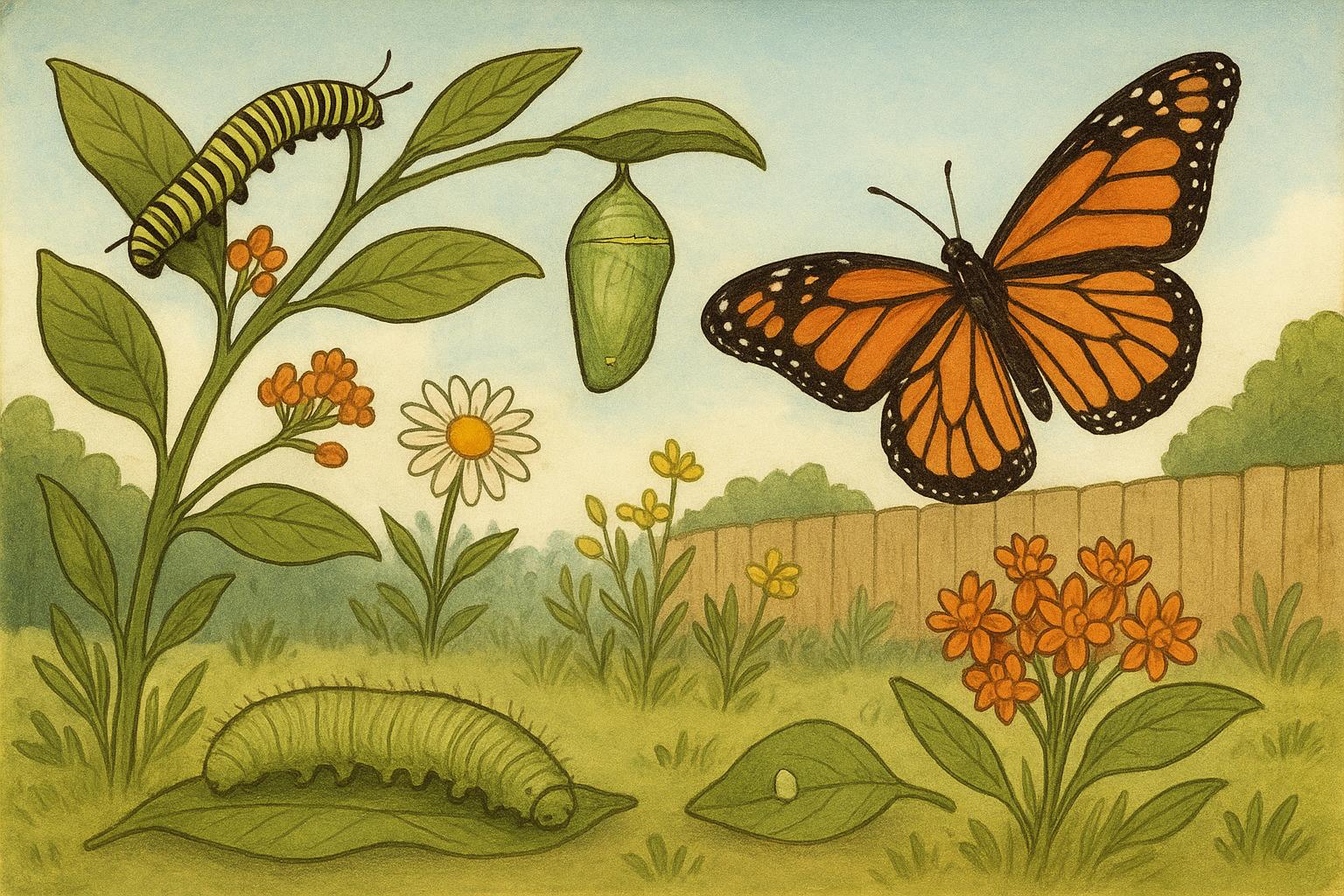
## A Backyard Guide To The Butterfly Life Cycle
If you want to see caterpillars one week and colorful adult butterflies the next summer, you can make that happen without much fuss. The butterfly life cycle is predictable: egg, larva (caterpillar), pupa (chrysalis), and adult. But the predictable part doesn’t mean passive. Your choices about plants, sun, and shelter decide whether a few transient visitors stop by or a real population establishes itself.
## Choosing Plants That Support Every Stage
Butterflies need different plants at each stage. Adults sip nectar; females need host plants to lay eggs; caterpillars need specific leaves to eat. Think of your yard as a dining hall and nursery rolled into one.
### Host Plant Selection
Pick host plants that match the species you want to attract. Monarchs need milkweed; black swallowtails like parsley, dill, and fennel; red admirals and painted ladies use nettles and thistles. Plant several of each host in clusters rather than scattered single plants. Clusters are easier for females to find and give caterpillars more food when they hatch.
### Nectar Sources For Adults
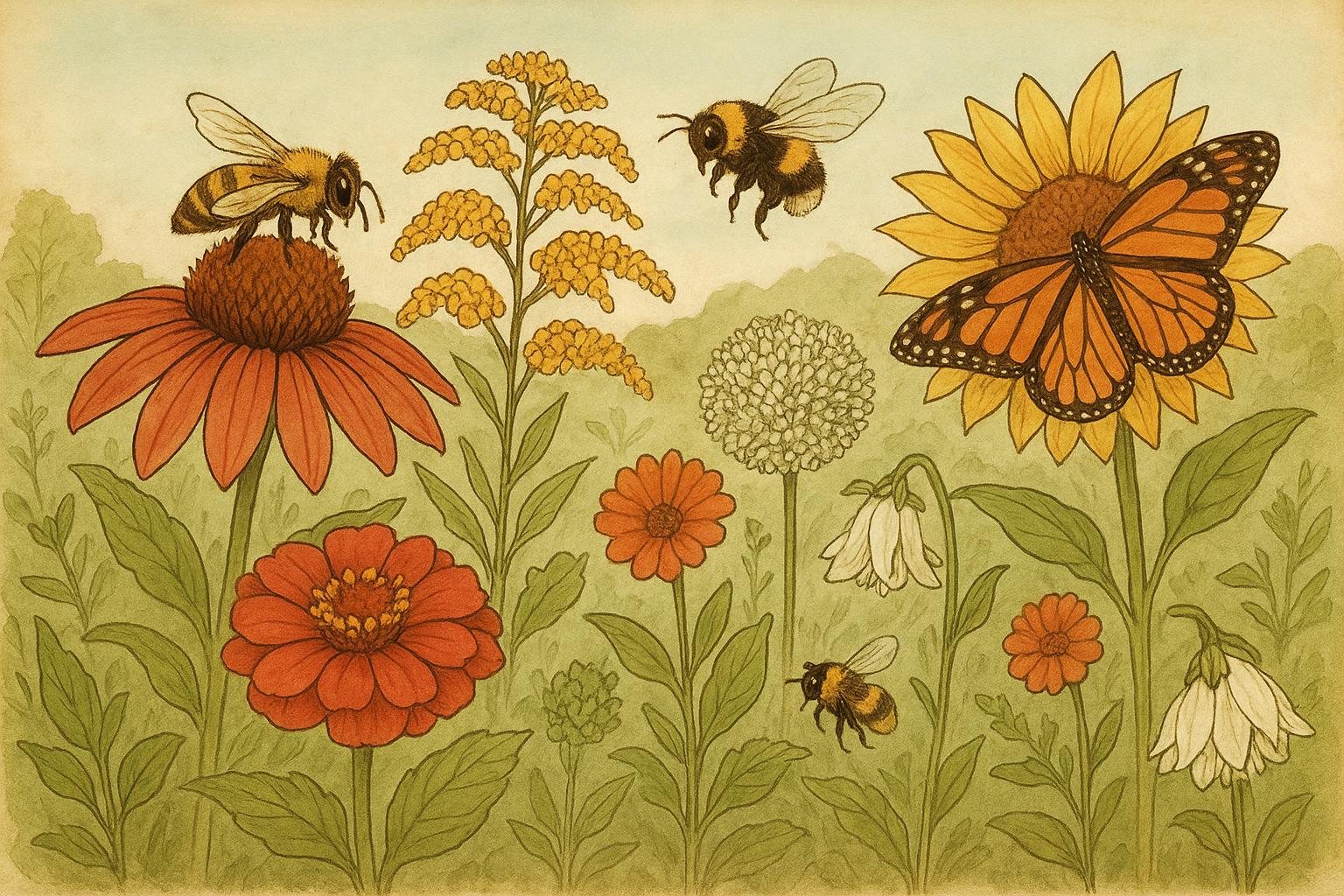
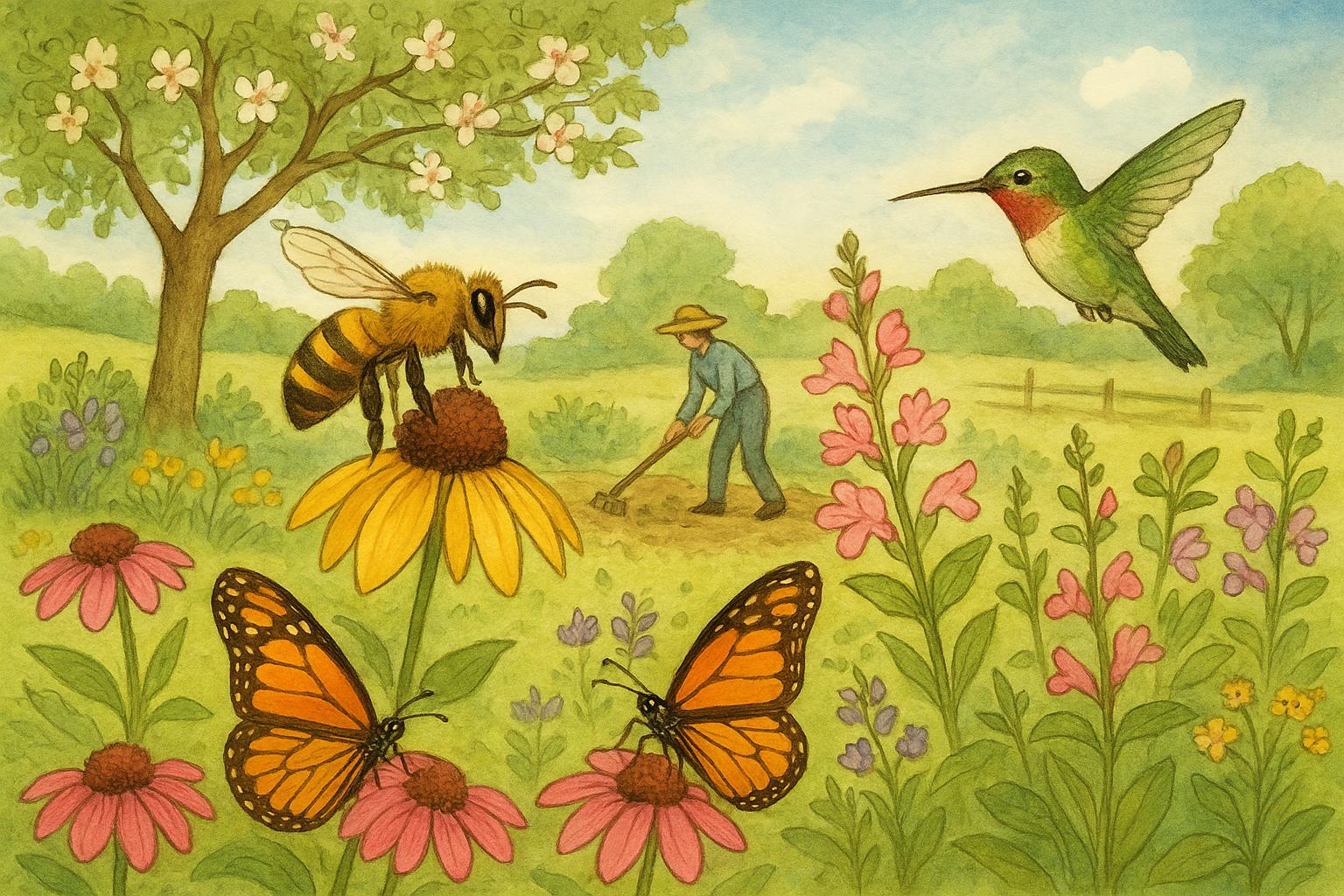
A steady bloom schedule is key. Include some early-, mid-, and late-season bloomers so adults always have nectar. Good choices: coneflowers, asters, bee balm, and salvias. Native plants are best because local butterflies evolved with them. But a few non-natives that flower for long stretches are useful if you’re short on space.
#### Plant Placement And Arrangement
Put nectar plants where they’ll get at least six hours of sun. Butterflies are cold-blooded and need sun patches to warm up. Place host plants nearby but not always immediately next to feeders—some species prefer laying eggs on plants a short flight from nectar sources. Group plants by species to make them more discoverable.
## Habitat Features To Encourage Visitors
Plants are necessary but not sufficient. Butterflies look for specific microhabitats: sheltered spots for roosting, mud for puddling, and safe places to pupate.
### Provide Sun And Shelter
A sunny location with windbreaks is ideal. A low stone wall, a hedge, or a stand of shrubs creates sheltered sun traps where adults can bask. Even a simple flat rock placed in full sun will draw butterflies to warm and dry off. Don’t tidy every corner; a messier edge of the garden often provides better microclimates.
### Water And Mineral Sources
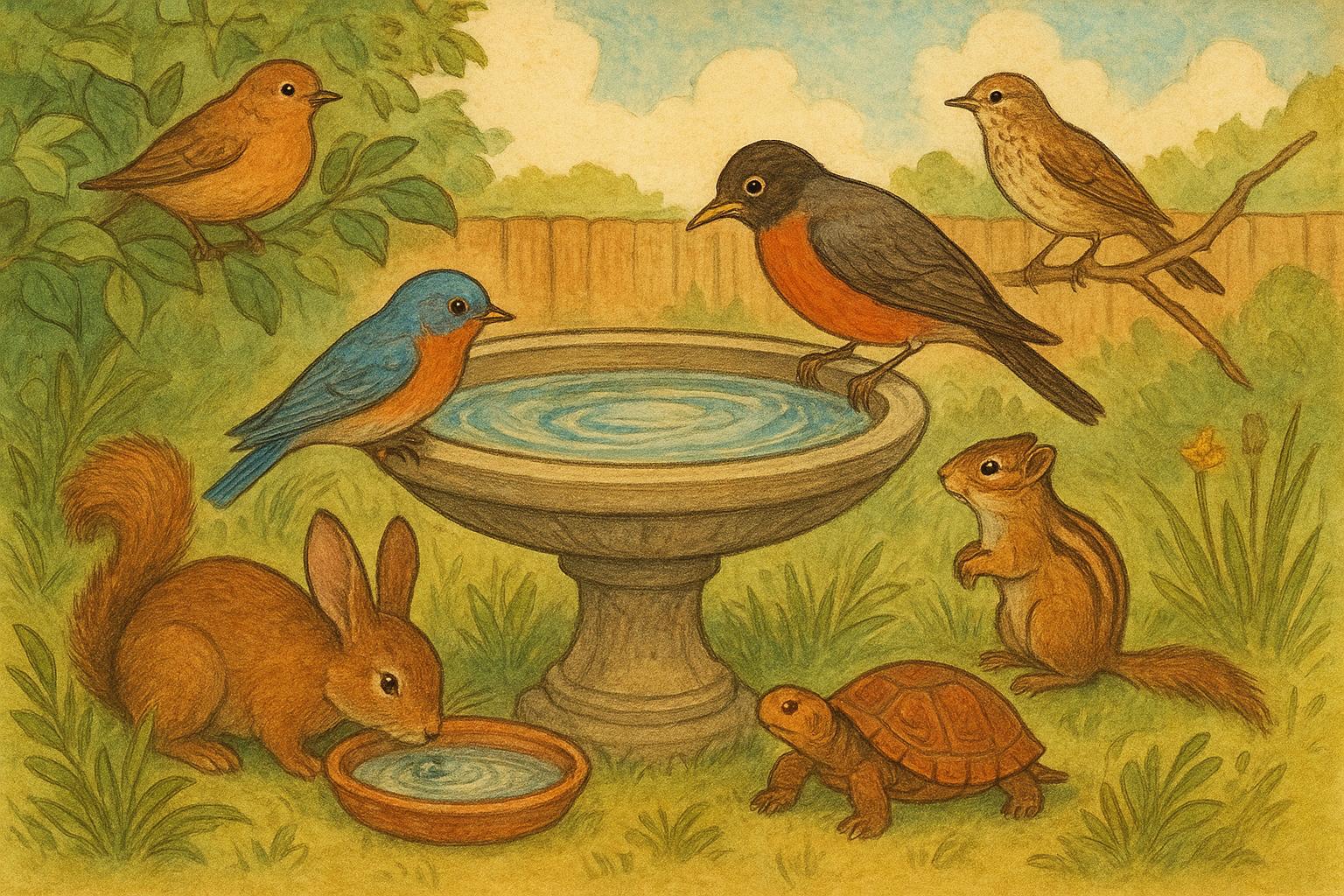
Butterflies puddle—gather on moist ground to drink and collect salts. You can make a small puddling tray: a shallow dish filled with wet sand and a few pebbles. Keep it slightly muddy; butterflies prefer that texture. Add a pinch of salt or crushed eggshell if your soil is very poor; it helps supply minerals.
#### Safe Overwintering And Pupation Spots
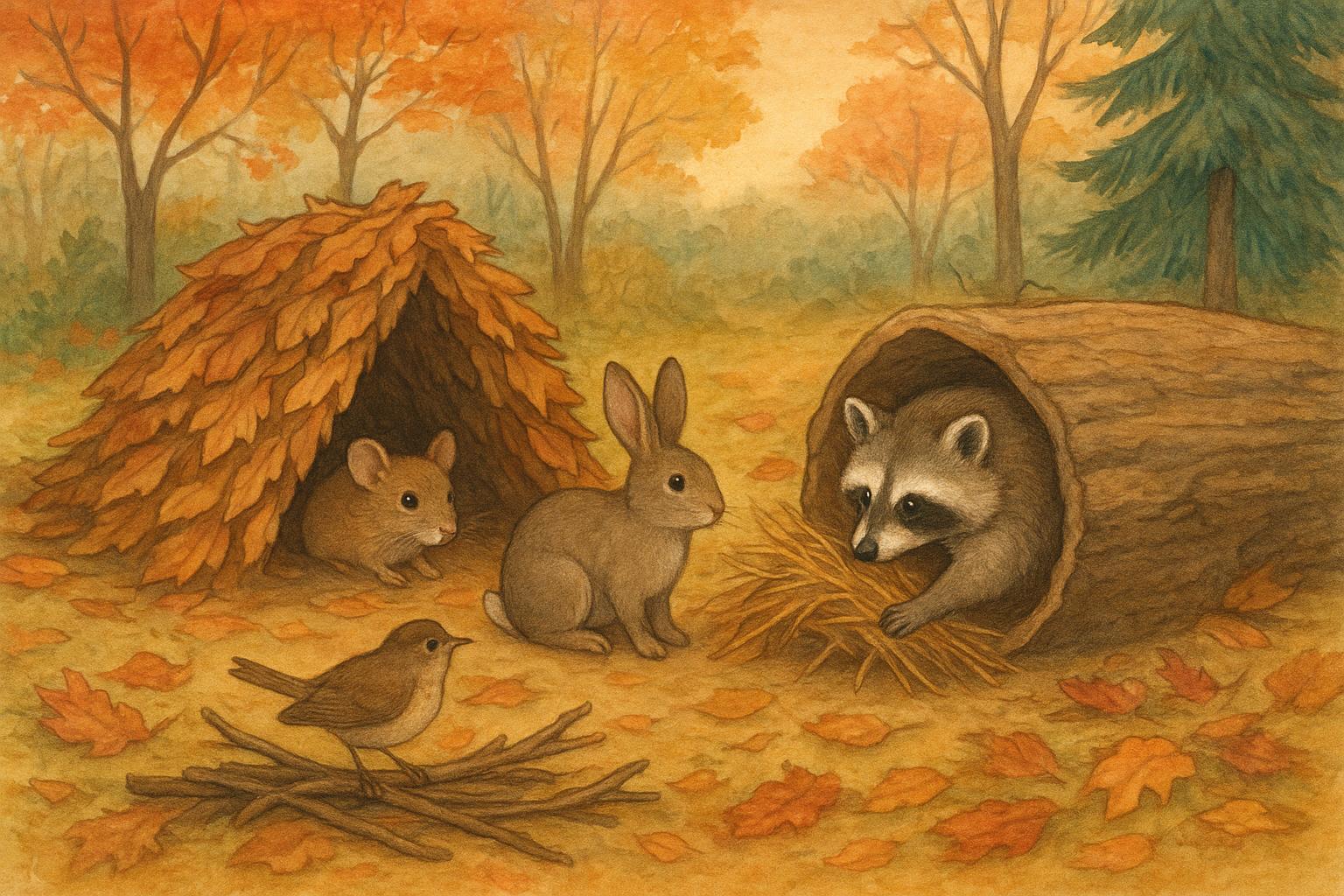
Some species overwinter as chrysalides; others pupate in sheltered leaves. Leave stems and leaf litter in place through fall if you can. A section of native grasses left standing provides both pupation sites and winter shelter. If you tidy up, you remove the very places butterflies depend on.
## Rearing And Observing Butterfly Development
Watching a butterfly go from egg to adult is satisfying and educational. If you want to rear butterflies intentionally, there are a few practical steps that increase survival without turning your garden into a lab.
### How To Collect And Care For Eggs And Caterpillars
When you find eggs or small caterpillars, transfer them gently to a small container with fresh host plant cuttings. Use a ventilated container and change cuttings regularly to avoid mold. Keep caterpillars at ambient outdoor temperatures—extreme heat or cold stresses them. Avoid unnecessary handling; caterpillars are more fragile than they look.
### Recognize The Stages Of Butterly Development
Understanding the visible cues helps you time releases and interventions. During the larval stage the caterpillar molts several times, each instar larger than the last. Before pupating, many species stop eating and search for a suitable spot. The pupa or chrysalis can be cryptic; don’t move it unless absolutely necessary. When the adult is close to emerging, you may see darker patches through the chrysalis shell or hear faint shifting sounds.
Note: the term “butterfly metamorphosis” describes these dramatic changes from one stage to the next. Watching metamorphosis up close is a reminder of how much changes beneath the surface.
## Timing And Seasonal Considerations
Different species have different schedules. Some produce one generation a year (univoltine); others have multiple (multivoltine). If you plant for early season bloomers, you’ll attract spring migrants and the first generation. A second planting wave midsummer boosts numbers for later broods.
### Planning For Multiple Generations
If you want sustained presence, stagger plantings. Sow some quick-blooming annuals in spring and again mid-summer. Keep continuous host plant availability; some caterpillars need fresh leaves all season. Avoid pulling up exhausted plants immediately—dead leaves can still host eggs or provide pupation sites.
### Urban And Suburban Constraints
Smaller yards need concentrated effort. Use containers for milkweed or parsley if space is tight. Even a balcony with a few pots can support a mini population if you choose plants that match the local species. Urban heat islands can shift timing—expect earlier activity and plan accordingly.
## Dealing With Pests, Parasites, And Predators
Not every caterpillar survives. Predators, parasitic wasps, and diseases all take a toll. Rather than attempting to eliminate mortality entirely, focus on reducing human-made stressors: pesticides, habitat fragmentation, and removal of overwintering sites.
### Practical Pest Management
Hand-pick larger predators like paper wasps if they’re actively harvesting larvae from your host plants, but do so sparingly. For small infestations of aphids or ants, use a strong jet of water instead of chemicals. Organic insecticidal soaps can be used carefully, but avoid spraying when caterpillars or chrysalides are present.
### Recognizing Parasitism And Deciding When To Intervene
If caterpillars suddenly show lumps or behave strangely—stopped eating, sluggish—they may be parasitized. You can choose to isolate suspect individuals to observe the outcome. Sometimes parasitic wasps leave visible cocoons; other times the parasite pupates inside unnoticed. If you’re rearing for release, discard heavily parasitized individuals to protect others.
## Citizen Science And Recording Your Observations
Documenting what you see helps scientists and improves local conservation. Simple records like dates of first egg, first chrysalis, and first emergence are valuable.
### Setting Up A Backyard Log
Keep a small notebook or a photo album. Take a picture each week of a marked host plant patch. Note weather patterns and any management actions (watering, cutting back, adding plants). Over a couple of seasons you’ll see trends: which plants produce the most caterpillars, which predators are most active, and how local conditions affect butterfly development.
### Contributing To Larger Efforts
There are many community science projects that welcome backyard data. Upload your sightings to an app or local butterfly monitoring program. Your backyard counts. The data you collect about butterfly life cycle timing and abundance helps track shifts due to climate and habitat change.
## Legal And Ethical Considerations
Collecting and rearing is usually fine, but be mindful with rare or protected species. Check local regulations before collecting specimens. Wherever possible, prioritize the well-being of wild populations over keeping individuals.
### Avoid Removing Large Numbers From The Wild
Collecting a few eggs to rear and release for education is different from stripping entire patches of host plants of every egg. If you find a rich natural patch, leave most of it intact so the population can sustain itself.
#### Ethical Release Practices
Release adults into habitat similar to where you found them. Don’t transport butterflies long distances—local adaptation matters. If the population you reared wouldn’t normally occur in your area, don’t release it. That can disrupt local genetics and ecological balances.
## Troubleshooting Common Problems
If you see few butterflies despite good plants, check for these common issues: pesticide drift from neighbors, lack of sunny resting spots, or poor plant placement. Soil that’s overly rich can produce lush foliage with fewer flowers, reducing nectar. Likewise, mowing native grasses too often removes pupation habitat.
One practical hack: plant a long narrow strip rather than scattered single pots. Butterflies find linear edges more easily. And be patient—populations often take two to three seasons to establish. You’ll get there. Just don’t be too tidious about every fallen leaf; some of it matters.



Leave a Reply