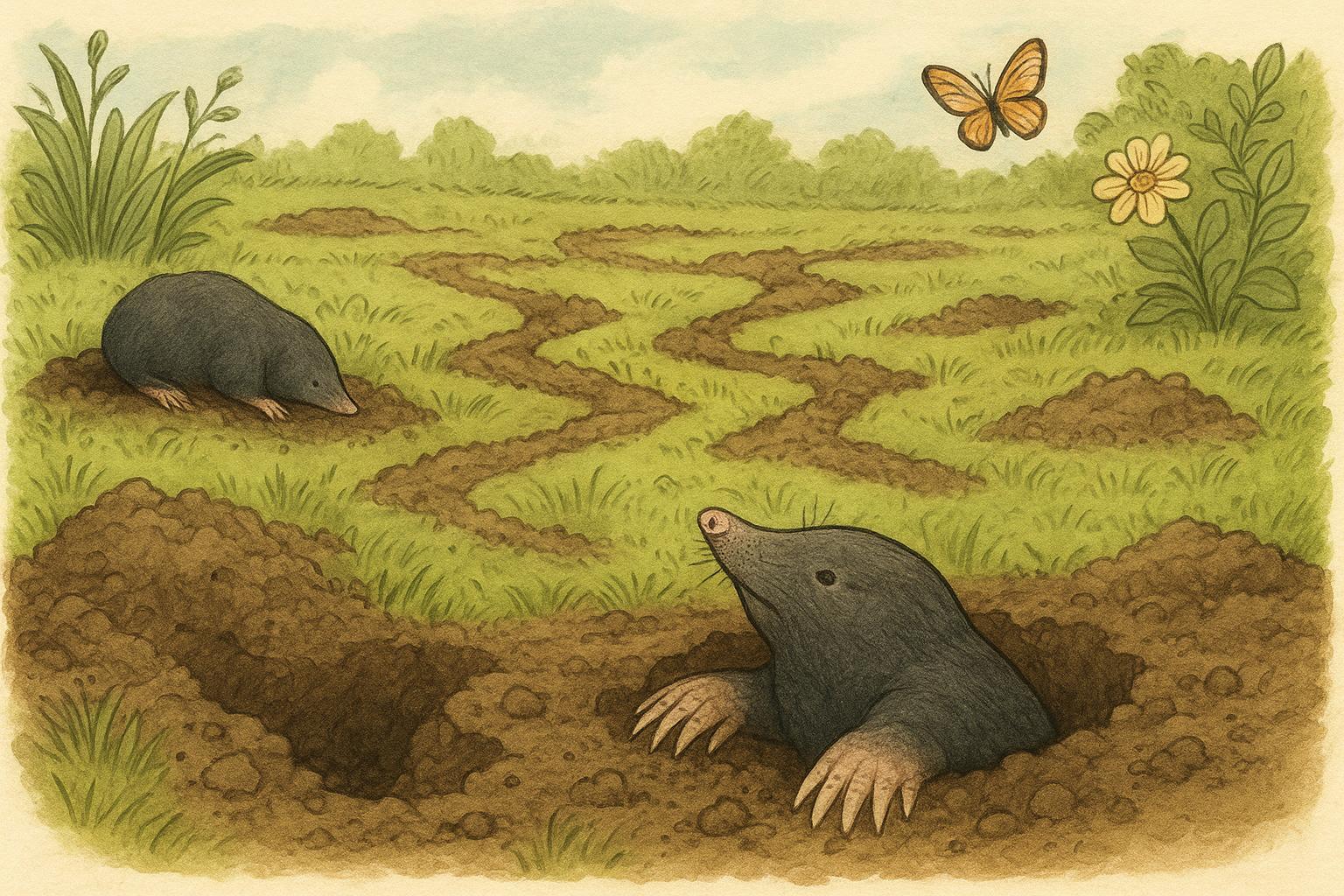
Living with tunneling mammals can feel like sharing your backyard with a tiny, furtive landscaper who missed the memo about property lines. Moles are curious little diggers; they don’t eat grass, but their underground habits can leave your lawn looking like a mole-themed obstacle course. This article will walk you through what to look for, why it happens, and practical, humane steps to reduce mole activity and repair lawn damage.
## Understanding Mole Activity: Causes And Signs
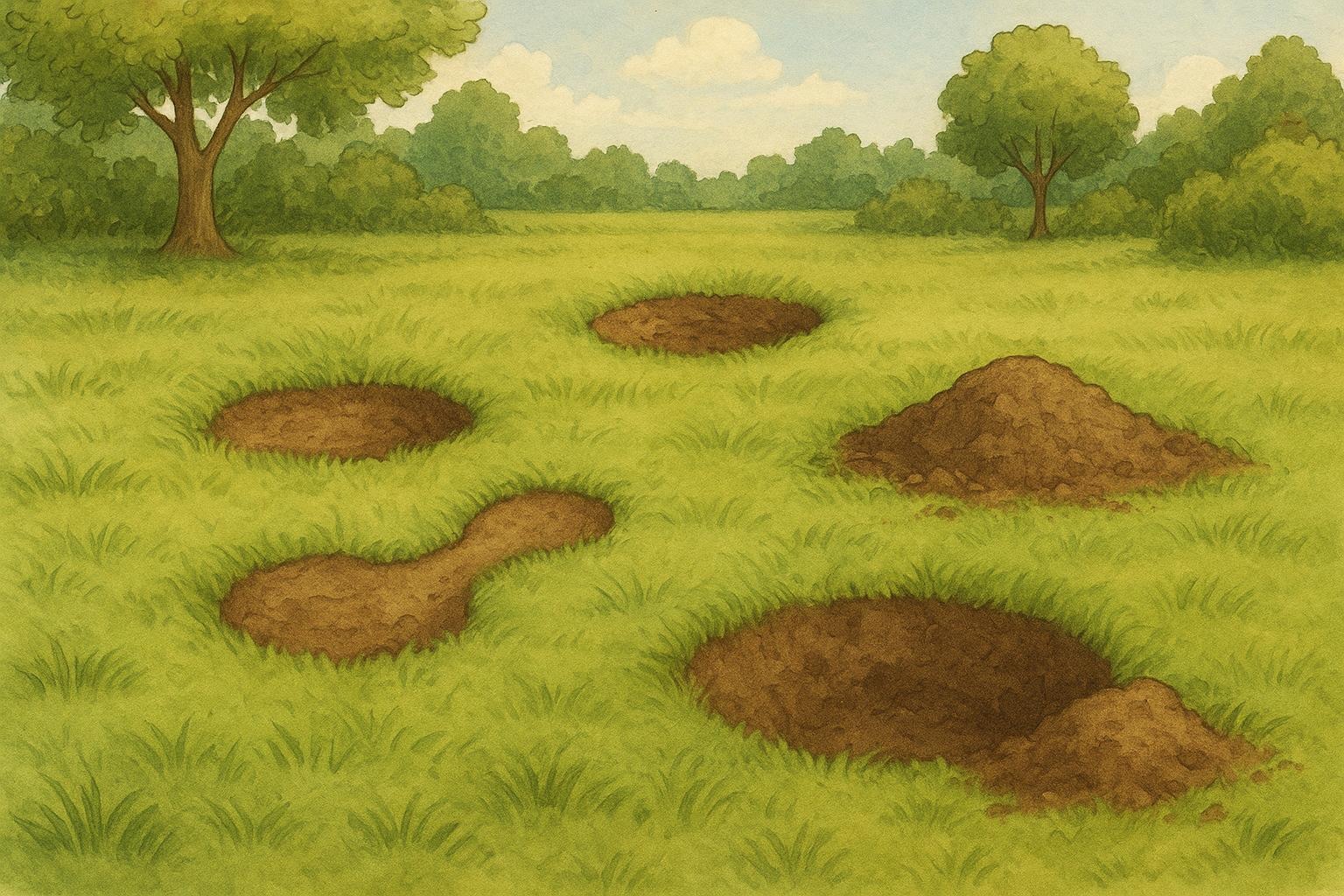
Mole activity usually starts subtly: a raised ridge of soil, a small volcano-like mound, or a patch of uneven turf. Because they tunnel just beneath the surface, moles are most active in spring and fall when soil is soft and food is abundant. Their diet primarily consists of earthworms and soil-dwelling insects, which means mole presence often signals a healthy soil food web — frustrating for homeowners but ecologically normal.
### What Triggers Moles To Move In
Moles favor yards with loose, moist soil and abundant prey. Over-irrigated lawns, rich compost, and untreated thatch layers can create prime mole real estate. You’ll often notice higher mole activity after rainfall or irrigation cycles because worms rise closer to the surface, attracting moles.
### Signs To Watch For
#### Ridge Patterns And Surface Tunnels
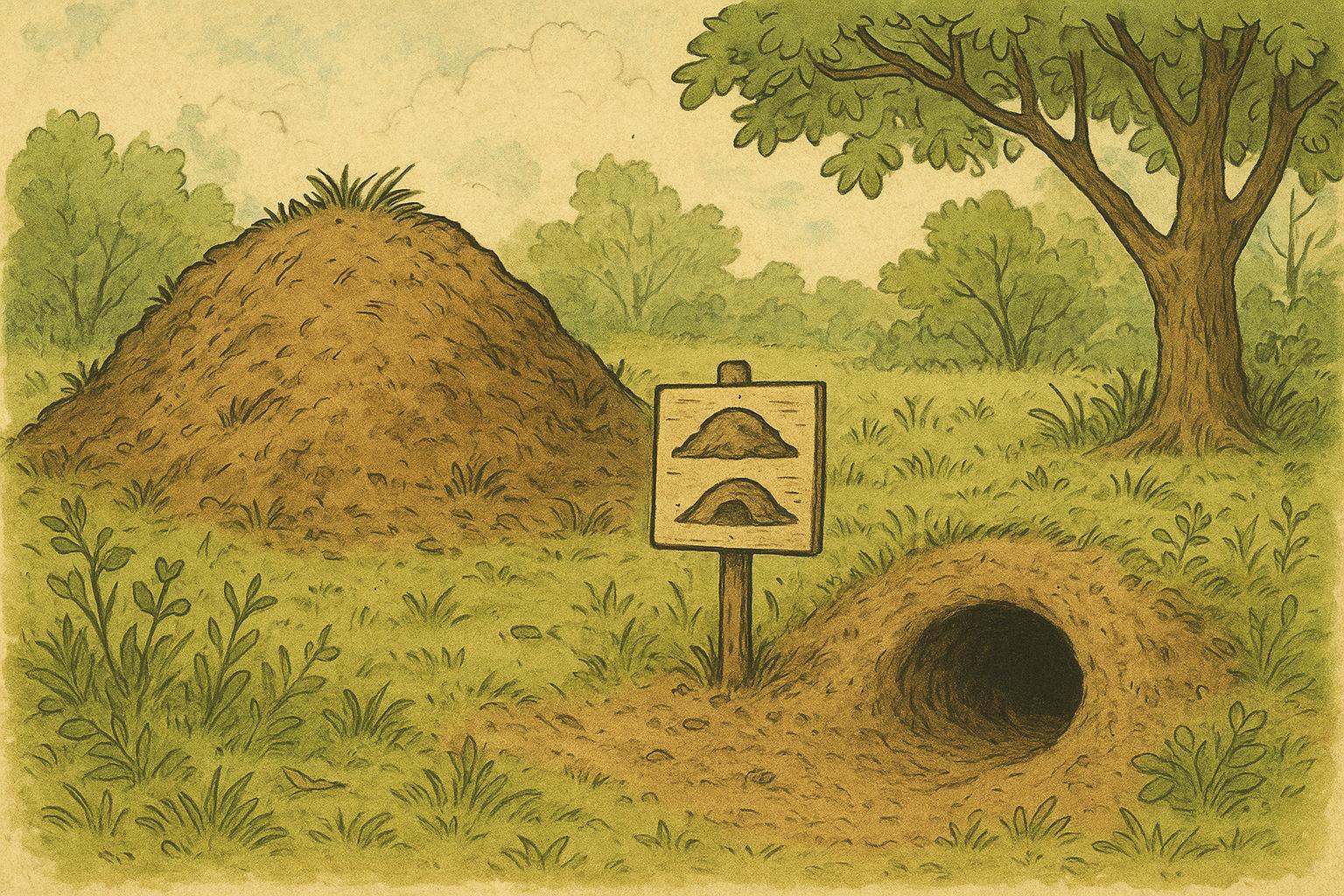
Long, sinuous ridges are the sign of foraging tunnels; moles create these as they hunt. These ridges are different from gopher mounds — moles leave linear tunnels, while gophers deposit crescent-shaped mounds.
#### Raised Mounds (“Castings”)
Small cone-shaped mounds indicate burrowing and chamber excavation. These are less destructive than continuous tunneling but can still damage turf roots if numerous.
#### Vegetation Damage
Moles rarely eat plants, but their tunnels can disturb roots, leading to sunken or dying patches of grass. In severe cases, the ground becomes soft and spongy, affecting lawn usability.
## How Mole Activity Damages Lawns
Mole activity disrupts the root zone and creates uneven ground, which can make mowing difficult and create tripping hazards. While moles help control grubs and aerate soil somewhat, their tunneling can also bring weed seeds to the surface and destabilize sod. If left unmanaged, the cumulative effect is a patchy, uneven lawn that looks less like a manicured yard and more like miniature badlands.
### When Mole Activity Is Beneficial Versus Problematic
A few shallow tunnels here and there are often harmless and can indicate an active invertebrate population. However, persistent tunneling, many mounds, or visible turf decline mean intervention is warranted — especially in high-traffic areas or newly seeded lawns where root disturbance is more harmful.
## 1. Natural Repellent Remedy
When you prefer to discourage rather than exterminate, natural repellents can reduce mole activity by making your lawn less attractive.
### Materials
– Castor oil (concentrated or ready-to-use mole repellent)
– Liquid dish soap (if diluting concentrated castor oil)
– Water
– Garden sprayer or watering can
– Gloves and eye protection
### Step-By-Step Preparation And Application
1. Prepare Solution: For concentrated castor oil, mix 2 tablespoons castor oil with 1 teaspoon liquid dish soap per gallon of water. The soap helps the oil disperse in water. If using a commercial castor oil repellent, follow the manufacturer’s dilution instructions.
2. Pre-Treat Lawn: Mow the lawn at a normal height and lightly water the surface to ensure the solution penetrates into the top few inches of soil.
3. Apply Evenly: Using a garden sprayer or watering can, apply the solution across the lawn, focusing on areas of known mole activity (ridges and mounds). Apply until the soil is moist but not saturated.
4. Repeat Schedule: Reapply every 2–3 weeks during peak mole activity and after heavy rains, which can wash the repellent away. Continue for 6–8 weeks to disrupt feeding patterns.
5. Monitor: Look for reduced ridge formation and fewer fresh mounds. Reduce application frequency once mole movement declines.
Note: Castor oil solutions act as taste/odor repellents that disrupt mole feeding rather than harming animals. Use gloves and avoid over-application to prevent runoff.
## 2. Trapping And Removal Procedure
Trapping remains the most definitive method to remove persistent mole populations. This section explains a humane and effective trapping process using tunnel traps. The tone is formal to ensure safety and legal compliance.
### Materials
– Two scissor or harpoon-style mole traps (commercially available)
– Hand shovel or trowel
– Wooden dowels or stakes
– Gloves (leather recommended)
– Marker flags or string
– Flashlight (for early morning/evening checks)
### Step-By-Step Procedure
1. Identify Active Tunnels: Probe suspected tunnels gently using a long screwdriver or stakes to find the main runway. Active tunnels will collapse and be rebuilt frequently; look for soft, fresh soil.
2. Prepare Trap Site: Excavate a small section of an active runway to expose the tunnel, making a pocket just large enough to hold the trap without causing major structural collapse.
3. Set the Trap: Following the manufacturer’s instructions, set the trap in the tunnel with the trigger facing the runway entrance. Ensure the trap is snug and level so the mole will strike it while passing.
4. Conceal the Opening: Cover the exposed area with a board or soil to prevent light from entering — moles avoid tunnels that are open to the surface. Use stakes or flags to mark trap locations.
5. Check Frequently: Inspect traps daily, preferably in the morning. Use gloves when handling traps and captured animals.
6. Remove and Reset: If a trap is sprung with a capture, remove the trap and check surrounding tunnels for other signs of activity. Reset traps in other active locations as needed.
7. Legal And Ethical Considerations: Verify local regulations regarding trapping and handling wildlife. Dispose of captured animals according to local guidelines and consider professional removal services if unsure.
Trapping is effective but requires diligence and a clear understanding of trap mechanics. Incorrect placement can result in repeated failure.
## 3. Soil And Lawn Management To Reduce Mole Activity
Long-term reduction of mole activity is best achieved by altering the habitat so it’s less attractive to moles.
### Materials
– Soil probe or tined aerator
– Compost or topdressing materials
– Lawn rake
– Beneficial nematodes or targeted grub treatments (optional)
– Native plantings or groundcover materials
### Step-By-Step Management Plan
1. Reduce Excess Moisture: Adjust irrigation to avoid overly moist conditions. Moles favor damp soil because it supports more worms and insects. Water deeply but infrequently to maintain moisture balance.
2. Control Grubs And Insects: Use targeted grub treatments or beneficial nematodes to reduce prey density in problem areas. Apply treatments according to label instructions and timing to protect beneficial organisms.
3. Improve Soil Structure: Aerate compacted lawns and incorporate coarse sand or compost to encourage deeper-rooting plants and less thatch buildup. This diminishes the surface-dwelling invertebrates that attract moles.
4. Modify Plantings: Replace beet-friendly turf strips with native groundcovers or low-maintenance plantings in areas of repeated activity. These can require less irrigation and host fewer mole-attractive prey species.
5. Regular Monitoring: Walk your lawn weekly during active seasons to catch new tunneling early. Promptly repair shallow tunnels and mound sites to discourage repeated use.
### When To Call A Professional
If mole activity persists despite repeated repellent treatments, trapping attempts, and habitat modifications, consult a licensed pest management professional. They can perform a detailed inspection, identify species correctly, and apply integrated strategies that comply with local wildlife regulations. Professionals also offer guaranteed removal programs, which can be advantageous for homeowners with high-value turf or safety concerns.
If you’d like, I can help you draft a treatment plan tailored to your lawn size, soil type, and regional mole species.















































Leave a Reply