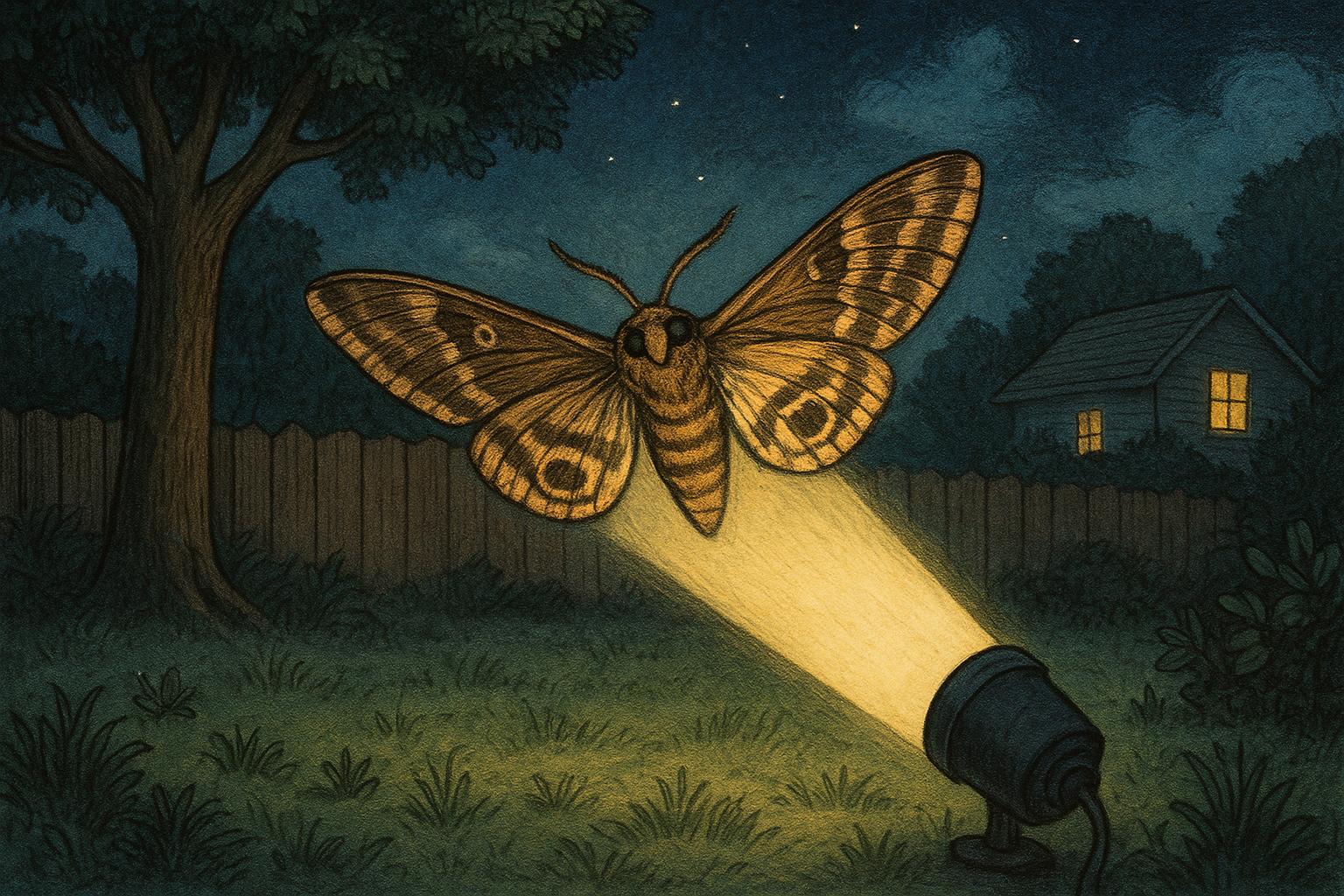
It started as a quiet evening: a glass of iced tea, a string of solar lights, and the usual chorus of crickets. Then, out of nowhere, a creature the size of a small hummingbird zipped past my ear and hovered at the garden phlox like a tiny, furry drone. Neighbors peeked out their windows. Phones came out. One neighbor exclaimed, “Is that a bat?” The other, after a closer look, said in awe, “No—look at that hawkmoth!” Suddenly, our backyard had a new celebrity.
## Neighborhood Buzz And Why This Sighting Felt So Special
A Close Encounter Of The Fuzzy Kind
The hawkmoth is not your ordinary garden visitor. With a wing span that can rival a small bird and the uncanny habit of hovering like a hummingbird while sipping nectar, these moths command attention. It’s no wonder our little suburban lawn transformed into a pop-up theater. People love a surprise, and a surprisingly large, nocturnal pollinator was the perfect cast member.
Why People Mistake Them For Hummingbirds
Many observers misidentify hawkmoths because of their rapid wing beats and hovering feeding behavior. But a quick look reveals antennae, a stout fuzzy body, and often a long proboscis for reaching nectar deep inside blossoms. The combination of size, speed, and a soft, almost mechanical whirring sound is simultaneously startling and delightful.
### What A Hawkmoth Does In Your Garden
Pollination At Night
Hawkmoths are excellent nocturnal pollinators. They visit night-blooming flowers and transfer pollen as they feed, helping plants that rely on evening pollination cycles. If you have trumpet-shaped or fragrant night-blooming blossoms, a hawkmoth sighting is a sign your garden is doing something right.
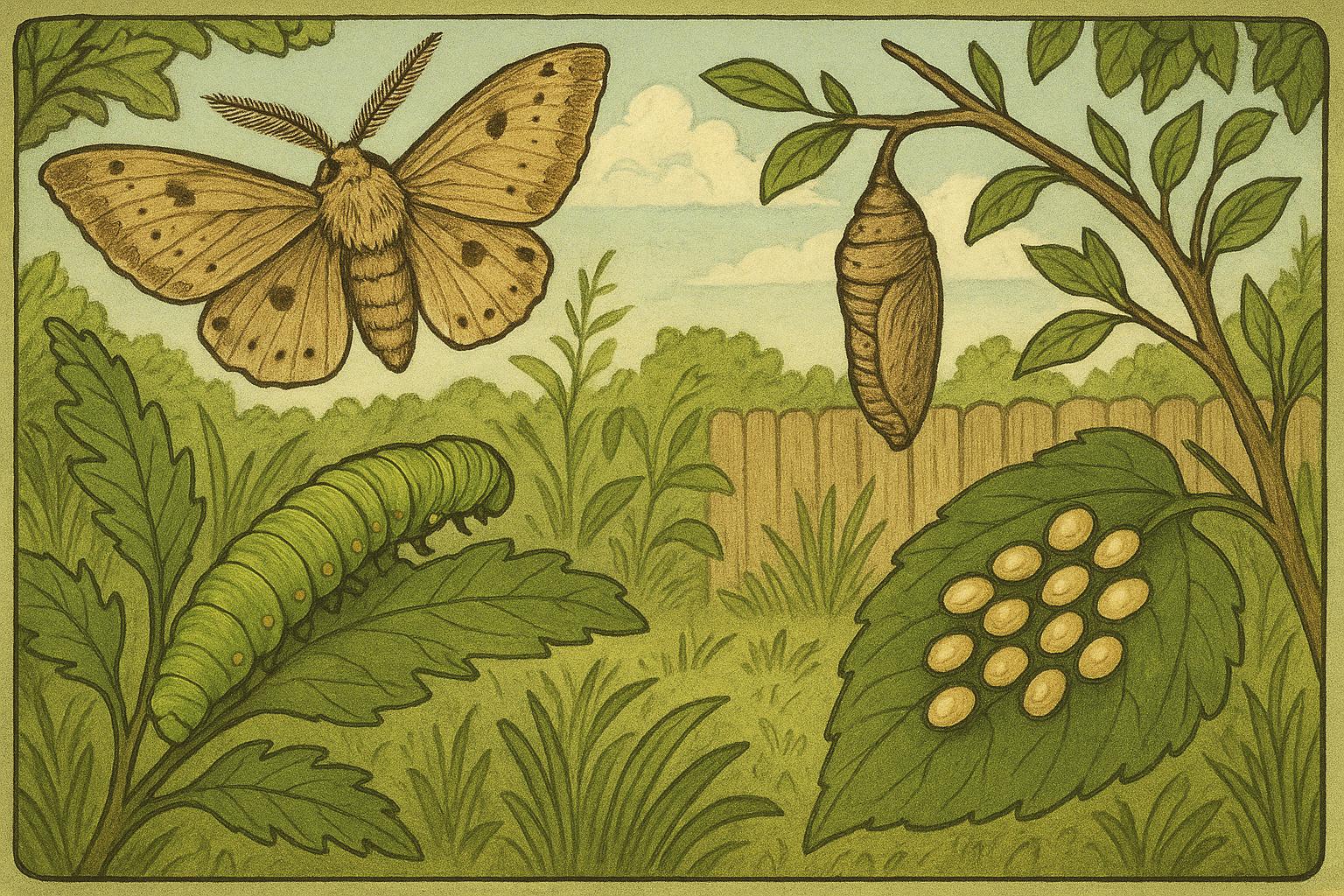
Brief Lifecycle Snapshot
Eggs laid on host plants hatch into caterpillars that feed voraciously, then pupate in soil or leaf litter. Adults emerge to feed and mate, continuing the cycle. The caterpillars sometimes get a bad rap for chewing leaves, but they’re a normal part of the ecosystem.
## 1. Create A Hawkmoth-Friendly Night Garden
### Why You Might Want To Attract Hawkmoths
Welcoming hawkmoths brings the marvel of nocturnal wildlife right to your yard and enhances pollination for certain plants. Observing them can be peaceful and oddly magical—a perfect mix of science and theater.
#### Materials And Ingredients To Attract Hawkmoths
– Night-blooming or strongly scented flowers (e.g., moonflower, evening primrose, nicotiana)
– Native host plants for caterpillars (check local species)
– A small, sheltered patch of bare soil or leaf litter for pupation
– A motion-activated or dimmable warm-colored porch light (optional)
– A shallow dish of sugar water or overripe fruit (for observation, optional)
### Step-By-Step: Creating The Habitat
1. Select Plants: Choose several night-blooming species that produce nectar and fragrance at dusk. Aim for staggered bloom times throughout the season.
2. Install Host Plants: Research local hawkmoth-host relationships and plant caterpillar food sources nearby, but not directly against desirable shrubs or vegetables.
3. Create Shelter: Leave a corner of the yard a little wild—some leaf litter, a low pile of brush, or a patch of undisturbed soil will offer pupation sites.
4. Minimize Harsh Lighting: Replace bright white outdoor bulbs with warm-colored lights (2700K or lower) and use shields to reduce light pollution; excessive lighting can disrupt moth navigation.
5. Add Observation Aids (Optional): Place a shallow dish with sugar water or small pieces of overripe fruit in a shaded spot to attract adults for viewing, but refresh frequently to prevent mold and pests.
6. Monitor and Enjoy: Keep a journal or take photos. Note peak activity times, which flowers they prefer, and any caterpillars you find.
## 2. Protect Plants From Hawkmoth Caterpillars (When Needed)
### When Protection Is Appropriate
Most hawkmoth caterpillars cause only localized, temporary feeding. Protection is warranted if you notice heavy defoliation on prized plants, if a single crop is under heavy pressure, or if an endangered plant in your care is at risk.
#### Required Materials For A Non-Lethal Control Strategy
– Garden gloves
– Handheld magnifier (optional)
– Soft-bristled brush
– Neem oil or Bacillus thuringiensis (Bt) formulation labeled for caterpillars
– Plant-safe row covers or fine mesh netting
– Garden scissors or shears
– A bucket with soapy water (mild dish soap)
### Step-By-Step Formal Application And Management Protocol
1. Assess Damage: Conduct a systematic inspection of affected plants, documenting caterpillar presence and defoliation levels.
2. Manual Removal: Put on gloves. Using your hands or a soft brush, gently remove caterpillars and place them into the bucket of soapy water. This is effective for low-to-moderate infestations.
3. Physical Barriers: If manual removal is impractical, install row covers or fine mesh to protect vulnerable plants during peak egg-laying periods. Ensure covers are secured and monitored to prevent trapping beneficial insects.
4. Biological Treatment: Apply Bacillus thuringiensis (Bt) according to label instructions if caterpillar populations are significant. Bt specifically targets caterpillars and is generally safe for bees, birds, and mammals when used properly.
5. Botanical Option: Use neem oil as a topical treatment for small infestations. Follow manufacturer dilution and application guidelines strictly. Note that neem can affect non-target insects; apply during times when beneficial pollinators are less active (dusk/dawn).
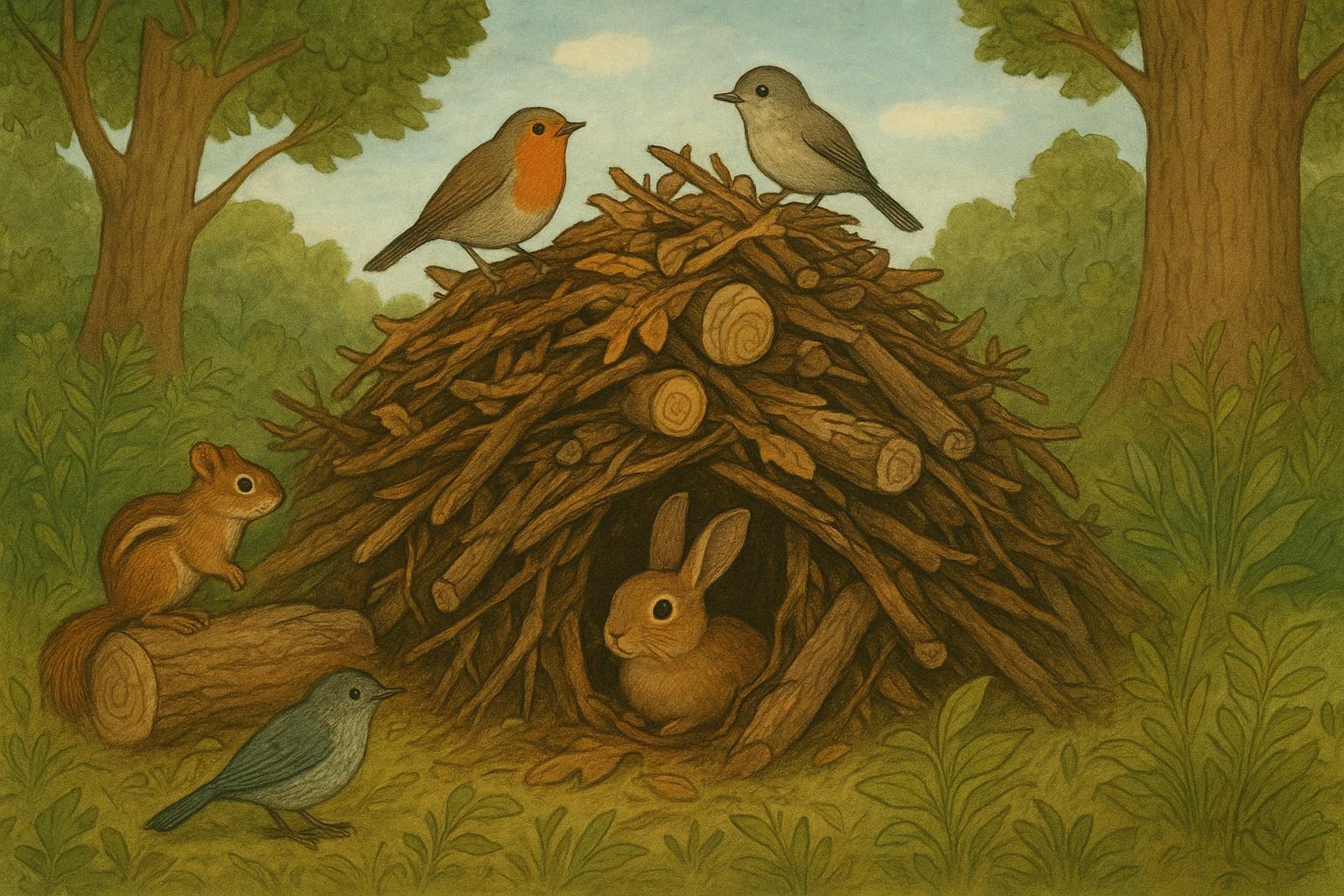
6. Cultural Practices: Encourage natural predators by providing habitat (native plant diversity, brush piles for birds). Regularly remove heavily infested plant debris to reduce overwintering pupae.
7. Record-Keeping: Maintain records of interventions, dates, and outcomes to refine future responses.
### Safety And Timing Considerations
– Always read and follow label directions for pesticides, including Bt and neem. Wear protective gear as recommended.
– Time applications for early morning or late evening when pollinators are not active.
– Rotate strategies to avoid overreliance on chemical controls and to preserve beneficial insect populations.
### Observing Hawkmoths Without Disturbing Them
How To Make The Most Of Your Backyard Spotlight
If your goal is observation rather than intervention, approach with patience. Reduce sudden movements, dim bright lights, and set up a comfortable chair at dusk. Use a red flashlight if you need to move around; many nocturnal insects are less disturbed by red light.
### Responsible Photography Tips
Use a flash sparingly; continuous low light or infrared video setups produce better behavioral footage without stressing the animal. If you use a tripod and a telephoto lens, you’ll get close-looking shots without getting in the moth’s space.
#### Citizen Science And Reporting
Consider submitting sightings to local biodiversity databases or apps. Accurate reports help entomologists track distribution shifts, and your backyard observation could contribute to real science.
### When To Call An Expert
If you encounter an unusual species, extremely heavy caterpillar outbreaks, or an insect that appears diseased, contact a local extension service or professional entomologist. They can provide identification, assess ecological risk, and recommend targeted, regionally appropriate responses.
## Backyard Etiquette For Unexpected Guests
A Few Friendly Guidelines
– Watch quietly and avoid handling unless necessary for the creature’s safety.
– Keep pets supervised; curious cats and dogs can stress or injure visiting wildlife.
– Share the experience: invite neighbors to observe from a respectful distance rather than crowding the spot.
Sudden wildlife moments like a hawkmoth sighting have a way of turning an ordinary evening into a communal event. They remind us that nature’s theater is often just beyond our porch light—and that sometimes the best thing to do is sit back, sip that tea, and enjoy the show.


Leave a Reply