You probably already know moths as the quiet, fluttery neighbors that show up at dusk and sometimes investigate your porch light like it’s a celebrity party. They go through a fascinating transformation you can watch unfold right in your yard. Keep a mug of tea handy and let’s take a relaxed walk through how these soft-winged creatures grow up, what they need, and how to live with them (or gently discourage them from eating your sweaters).
## Moth Life Cycle Stages In Your Backyard
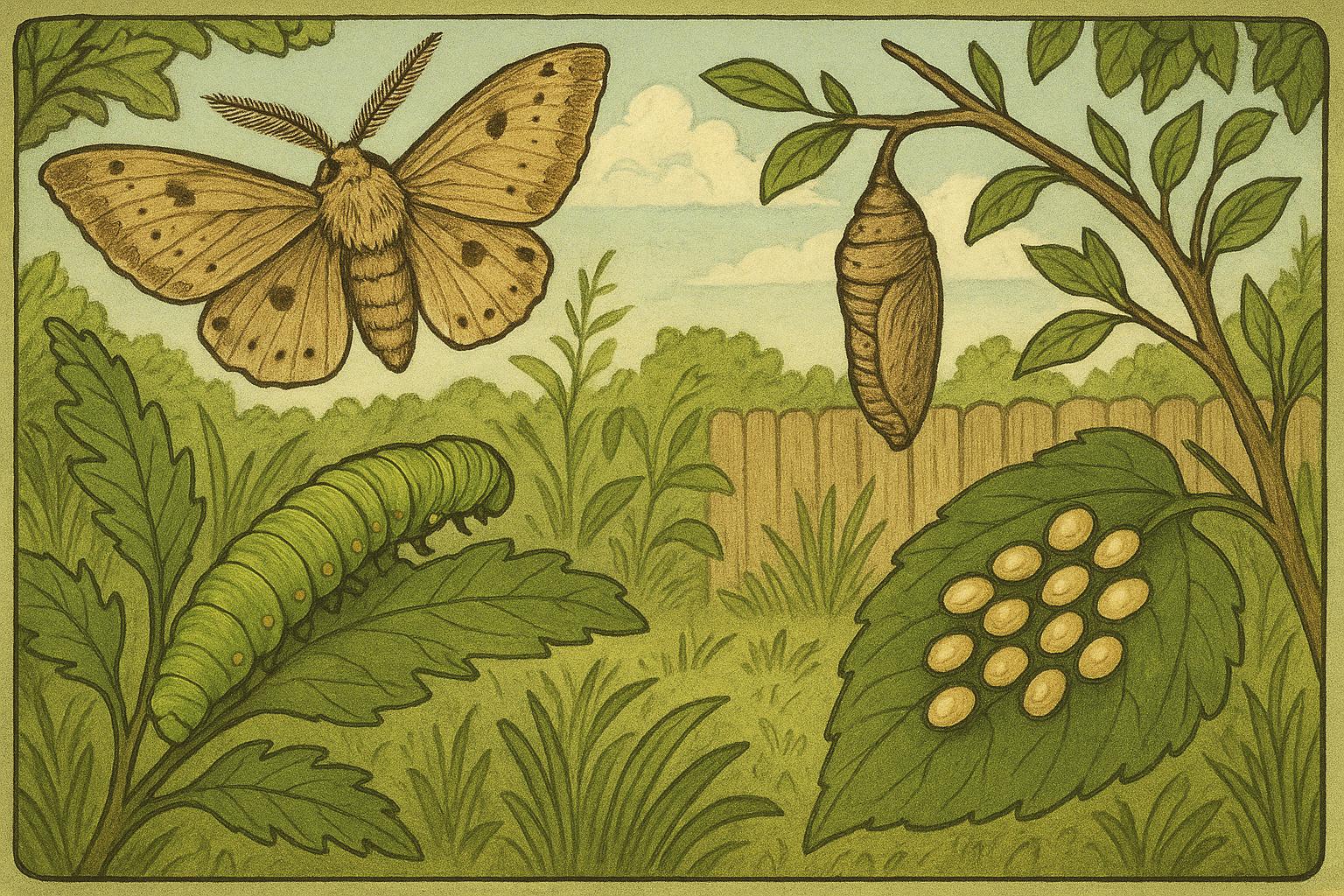
The moth life cycle has four main stages: egg, larva (caterpillar), pupa (cocoon), and adult. Understanding these stages will help you identify what you’re seeing on plants, under leaves, or around porch lights—and whether you’re watching a future pollinator, a garden muncher, or simply a nighttime visitor enjoying the nectar bar.
### Egg Stage
Eggs are tiny—often the size of a pinhead—and are laid strategically by the female on or near a food source. Some species glue their eggs to leaf undersides, while others stash them in bark crevices or on garden debris. Eggs are vulnerable to weather, predators, and parasitic wasps.
#### What To Look For
Egg clusters often appear on the underside of leaves where caterpillars will have immediate access to fresh food. If you find clusters, note the plant species—that’s the caterpillar’s menu.
### Larva Stage (Caterpillar)
This is the feeding and growth phase. Caterpillars can be charming or grotesque—striped, spiky, fuzzy, or smooth—and they’re insatiable eaters because their job is to grow quickly and store energy for the non-feeding pupal stage.
#### Feeding Behavior And Impact
Different moth species have different host plants. Some are specialists (oak, willow, or certain herbs), while others are generalists willing to sample many garden plants. In your backyard, caterpillars may chew leaves, bore into stems, or skeletonize foliage. Most garden damage looks worse than it is; healthy plants often tolerate moderate feeding.
### Pupa Stage (Cocoon)
When a caterpillar has done its eating, it pupates. It may spin a silk cocoon, burrow into the soil, or tuck itself under bark. Inside the pupa, the remarkable remodeling begins: tissues reorganize, wings form, and the adult moth develops.
#### Timing And Diapause
Pupal duration varies widely—weeks for many common species, months if the insect enters diapause to survive winter. Some moths have multiple generations per year, while others are univoltine (one generation annually).
### Adult Stage
Adult moths are primarily for dispersal and reproduction. Many do not feed at all; those that do focus on nectar or sap. Their nocturnal habits make them key nighttime pollinators for certain flowers.
#### Behavior Around Your Home
Adults are attracted to light, host plant odors, and pheromones. If you see a surge of adults near flowering plants, it’s often an indicator those plants are important resources in your backyard ecosystem.
## Identifying Stages And Species
A little observation goes a long way. Note color patterns, the timing of appearance, and what plants are nearby. Photographing larvae on leaves or adults at lights helps with later identification. Local field guides or county extension websites can be handy for naming species.
### Seasonal Patterns
Track which species show up in spring, summer, and fall. Some species peak in spring with caterpillars feeding on new leaves, while others prefer late-summer foliage. Knowing this helps anticipate when to protect vulnerable plants—or when to celebrate the arrival of silk-winged pollinators.
#### Recording Observations
A simple notebook or phone album with dates and locations is an excellent tool. Scientists and citizen scientists both rely on repeated records to detect shifts in life cycles driven by climate or habitat change.
## Minimal-Impact Backyard Practices
You don’t need to wage war on every caterpillar you find. Many are harmless or even beneficial. Here are a few friendly practices:
– Encourage a diversity of native plants to provide host plants and nectar.
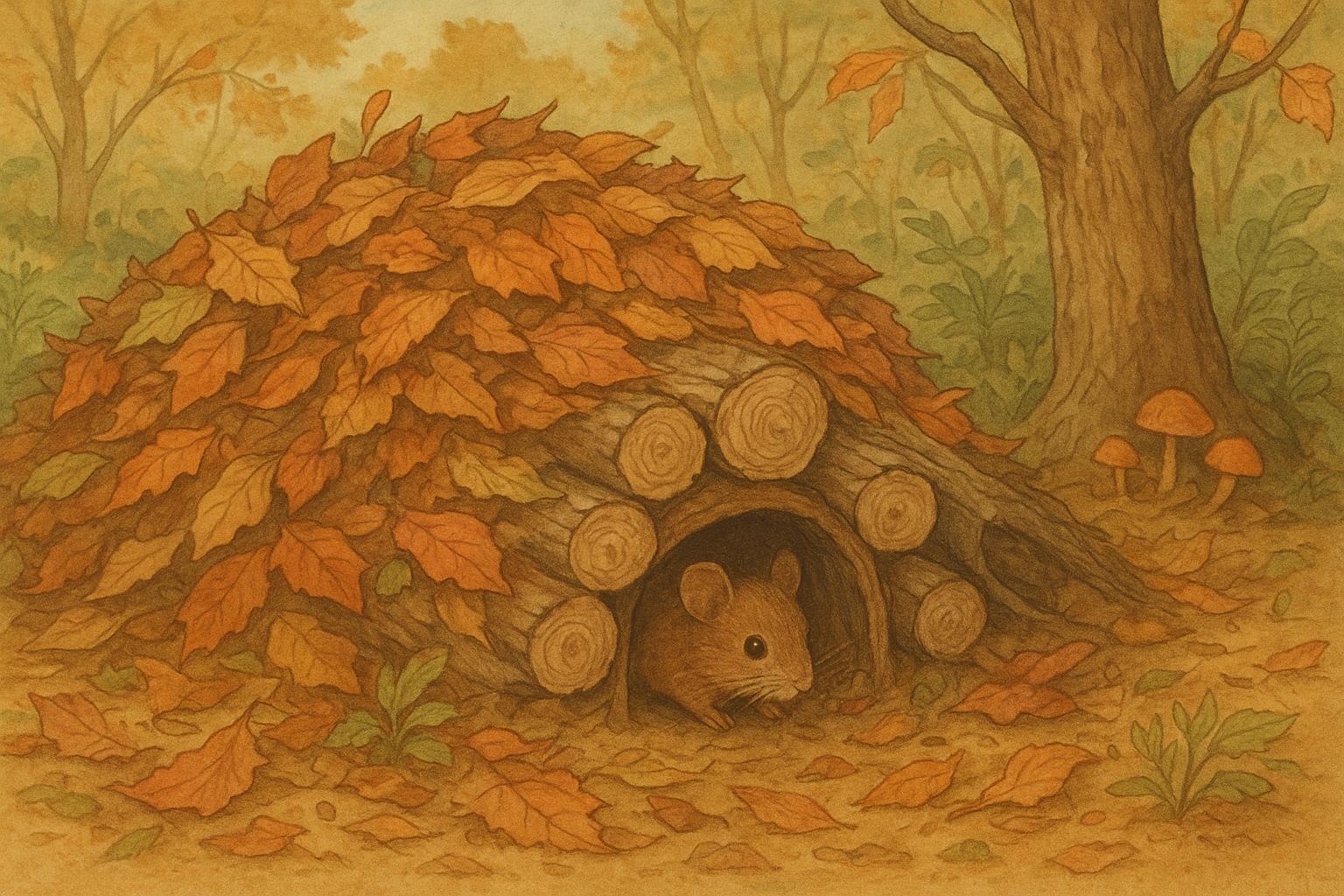
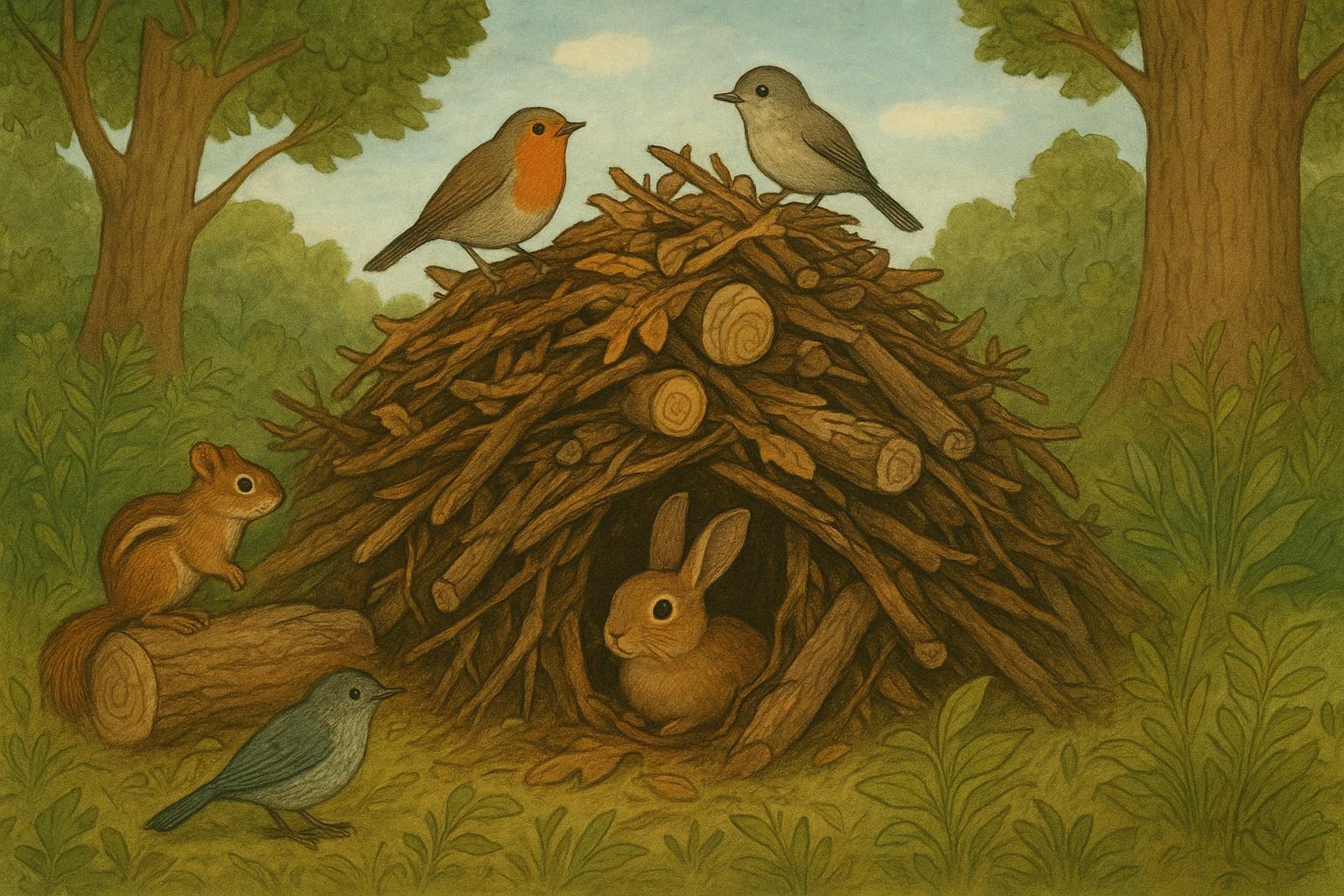
– Leave some leaf litter and dead wood for pupation sites.
– Reduce pesticide use; broad-spectrum insecticides are indiscriminate and harm beneficial species.
– Use targeted measures if a particular species is causing serious damage.
## Remedy 1: Non-Toxic Moth Deterrent For Clothes
If you’re dealing with fabric-damaging moths in storage, here’s a formal, effective, non-toxic remedy to protect garments using natural repellents and proper storage technique.
Materials Required
1. Airtight plastic bins or vacuum-seal bags
2. Lavender sachets (dried lavender flowers in breathable cloth)
3. Cedar blocks or shavings (untreated)
4. Clean cotton or muslin storage bags
5. Labeling materials (masking tape, permanent marker)
Step-By-Step Creation And Application
1. Clean garments thoroughly: Wash or dry-clean to remove food, sweat, or oils that attract moths.
2. Dry completely: Ensure items are fully dry to prevent mildew.
3. Place sachets and cedar: Put 1–2 lavender sachets and a small cedar block in each storage container. Cedar must be untreated; avoid cedar oils or varnished cedar which can stain fabric.
4. Pack carefully: Fold garments in breathable cotton bags if using large storage bins; place heavier items at bottom to minimize crushing delicate fibers.
5. Seal containers: Close airtight bins or vacuum-seal bags to physically prevent moth access.
6. Rotate and inspect: Every 2–3 months, open containers, air out items, and replace sachets or cedar as needed. Refresh cedar by lightly sanding to release aromatic oils.
7. Monitor: For severe infestations, use pheromone traps to monitor males (these traps do not control populations but indicate activity levels).
This method combines physical exclusion, olfactory deterrents, and routine inspection—best practice to protect fabrics without toxic chemicals.
## Remedy 2: Creating A Moth-Friendly Night Garden
If your aim is the opposite—attracting and supporting adult moths as pollinators—this formal plan helps you design a night garden that respects adult moth needs while balancing larval feeding on host plants.
Materials Required
1. List of native night-blooming plant species (phlox, evening primrose, nicotiana, moonflower)
2. Host plants for caterpillars (native oaks, willows, nettles, goldenrod—species dependent)
3. Mulch and compost for soil health
4. Water feature or shallow dish for night-time moisture
5. Low-impact solar or red-spectrum garden lights (optional)
Step-By-Step Creation And Application
1. Assess site conditions: Record sun exposure, soil type, and moisture levels. Choose plants suited to these conditions.
2. Select plants: Prioritize native night-blooming nectar sources and known larval host plants. Consult a local plant list for species that support local moths.
3. Prepare planting areas: Improve soil with compost and correct drainage as needed.
4. Plant in layers: Include shrubs and low plants to offer shelter and larval feeding sites. Cluster nectar plants to make foraging efficient.
5. Provide water: A shallow dish with stones offers a landing pad and moisture for thirsty moths.
6. Avoid pesticides: Use mechanical control or targeted, least-toxic methods only when absolutely necessary.
7. Light management: If you use outdoor lighting, opt for warm or red-spectrum bulbs and shield lights to reduce attraction and disruption to nocturnal behavior.
8. Monitor and adapt: Keep records of species observed. Adjust plantings to better support seen moth species and caterpillar host preferences.
These steps create habitat continuity: adult moths find nectar and can lay eggs where caterpillar food sources exist, supporting the full moth life cycle sustainably.
## When To Act And When To Observe
Not every caterpillar needs removing. If you see limited damage and a healthy plant, observation is often the best policy—your backyard may be supporting a small population of pollinators or predators. Conversely, act with targeted, documented remedies when you see repeated defoliation, significant crop loss, or fabric damage.
### Safety And Legal Notes
Never use unlabelled chemicals; always follow label instructions. Consider local wildlife regulations before relocating large numbers of insects and consult extension services for species-specific guidance if you suspect invasive moths.
## Encouraging Natural Controls
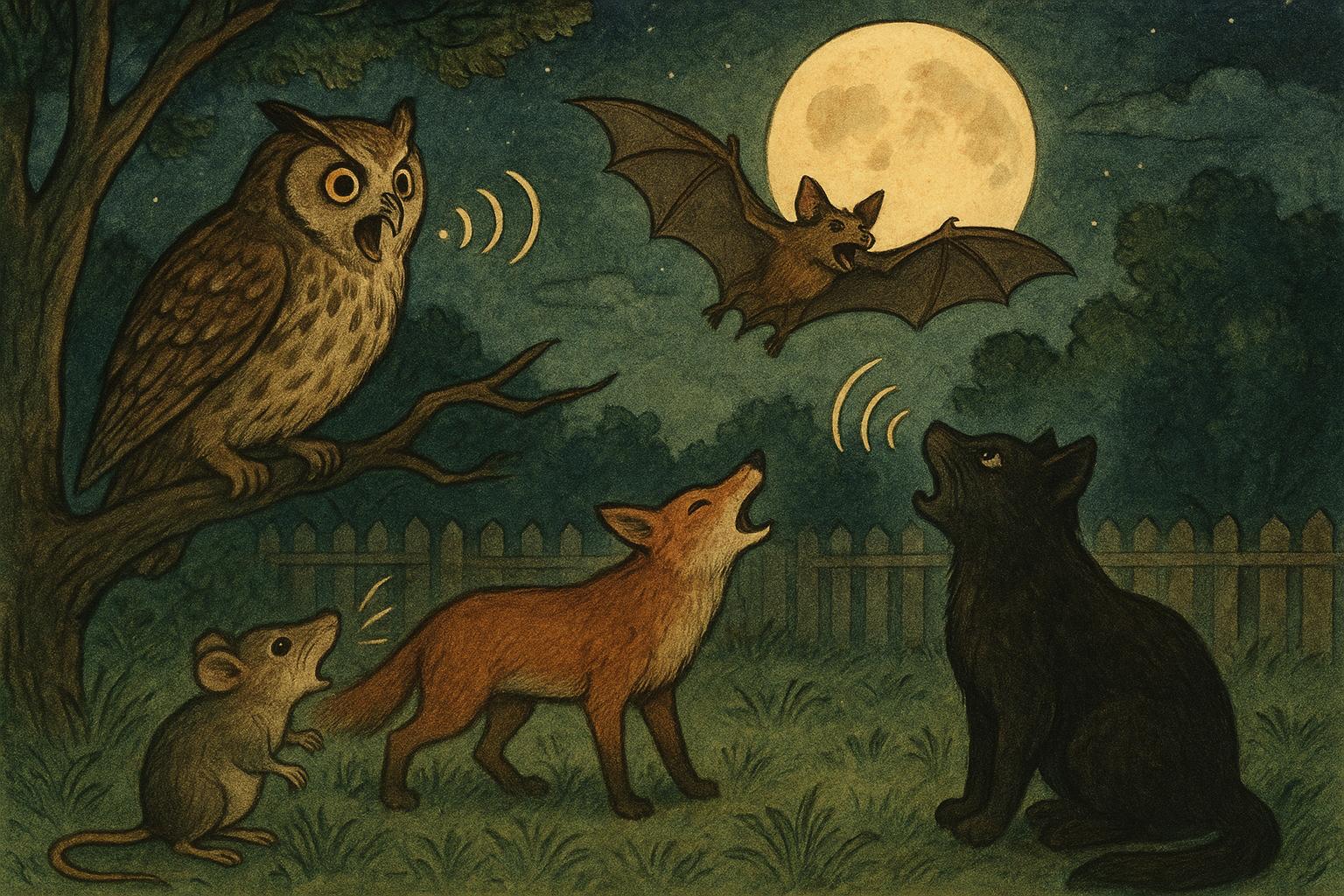
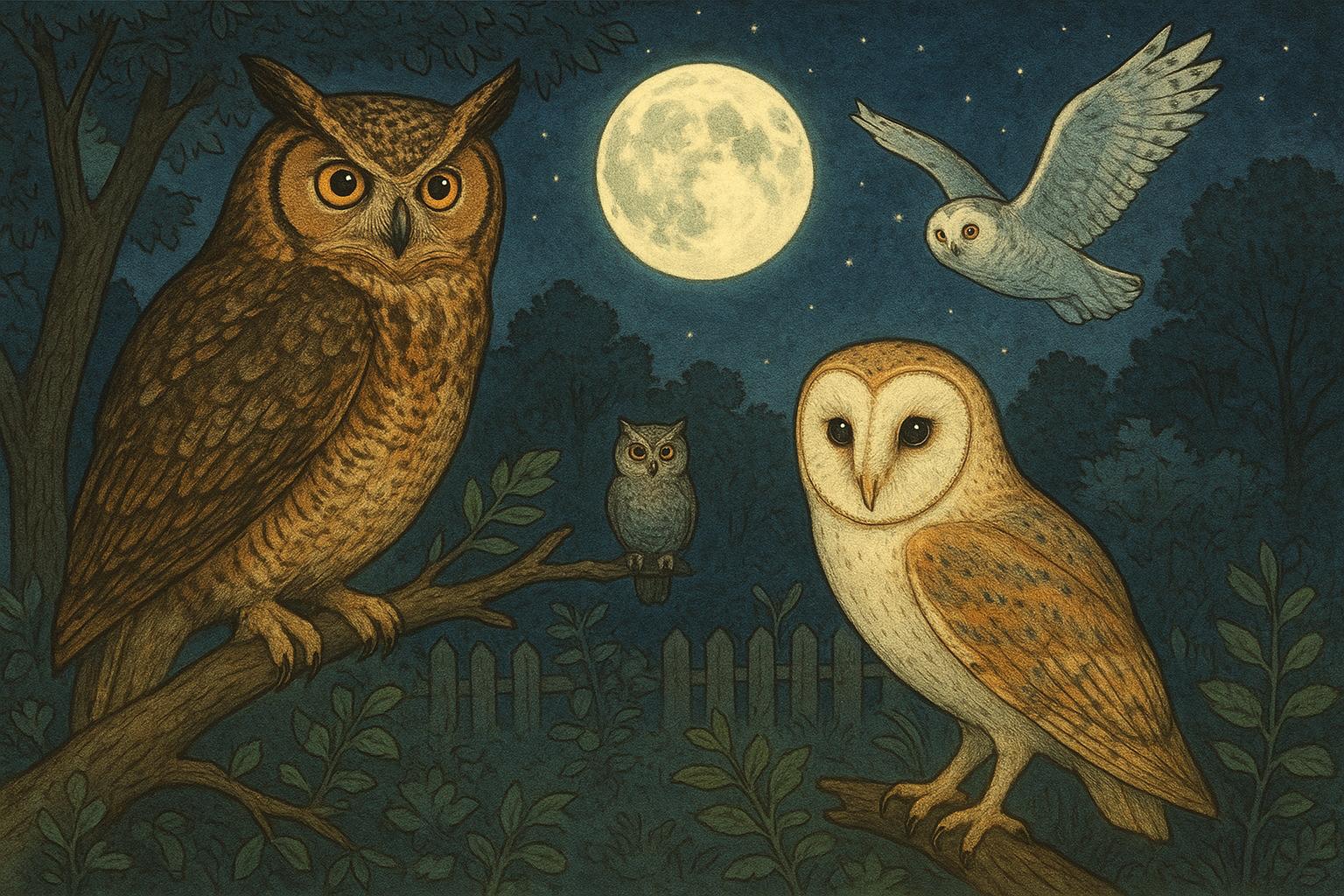
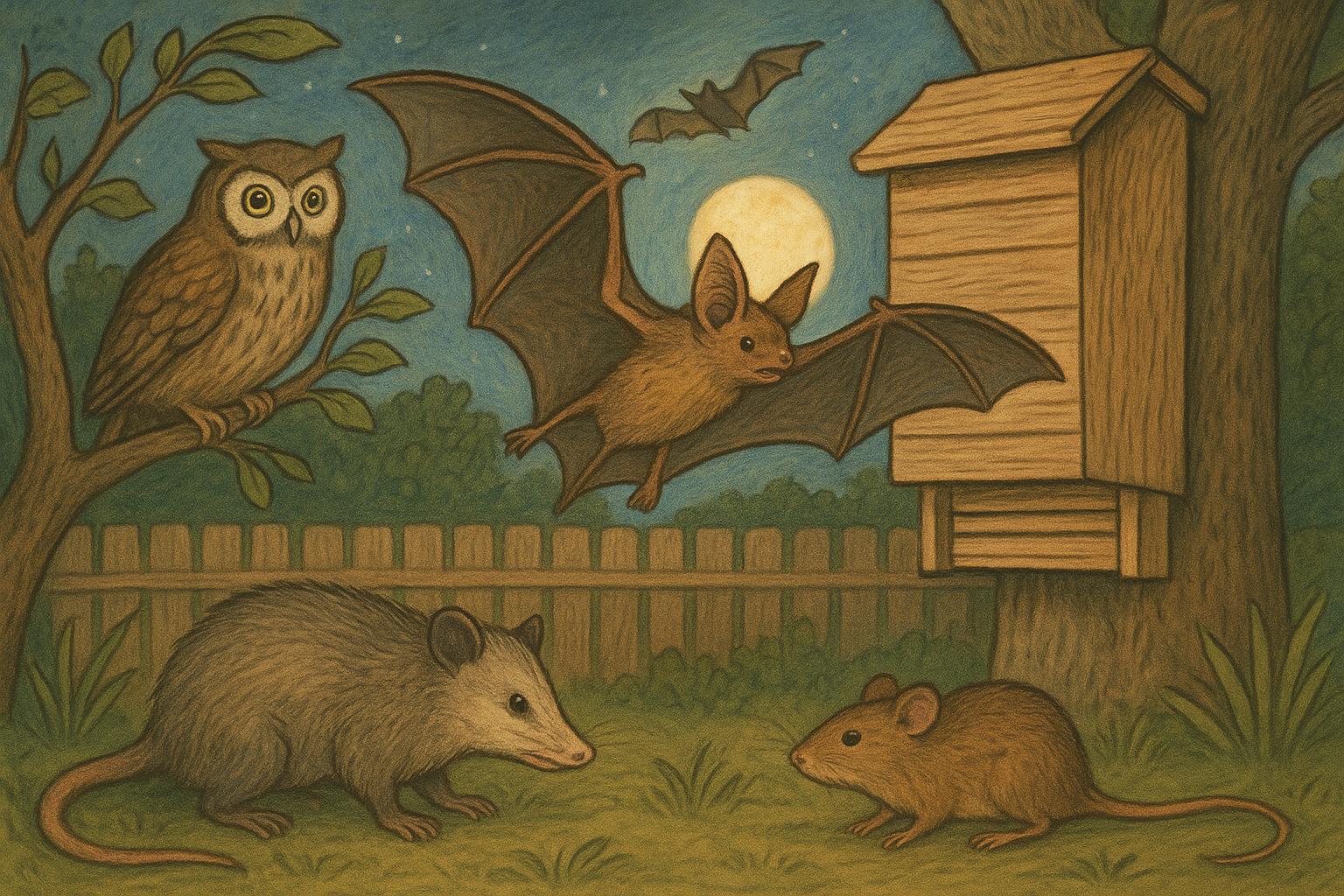
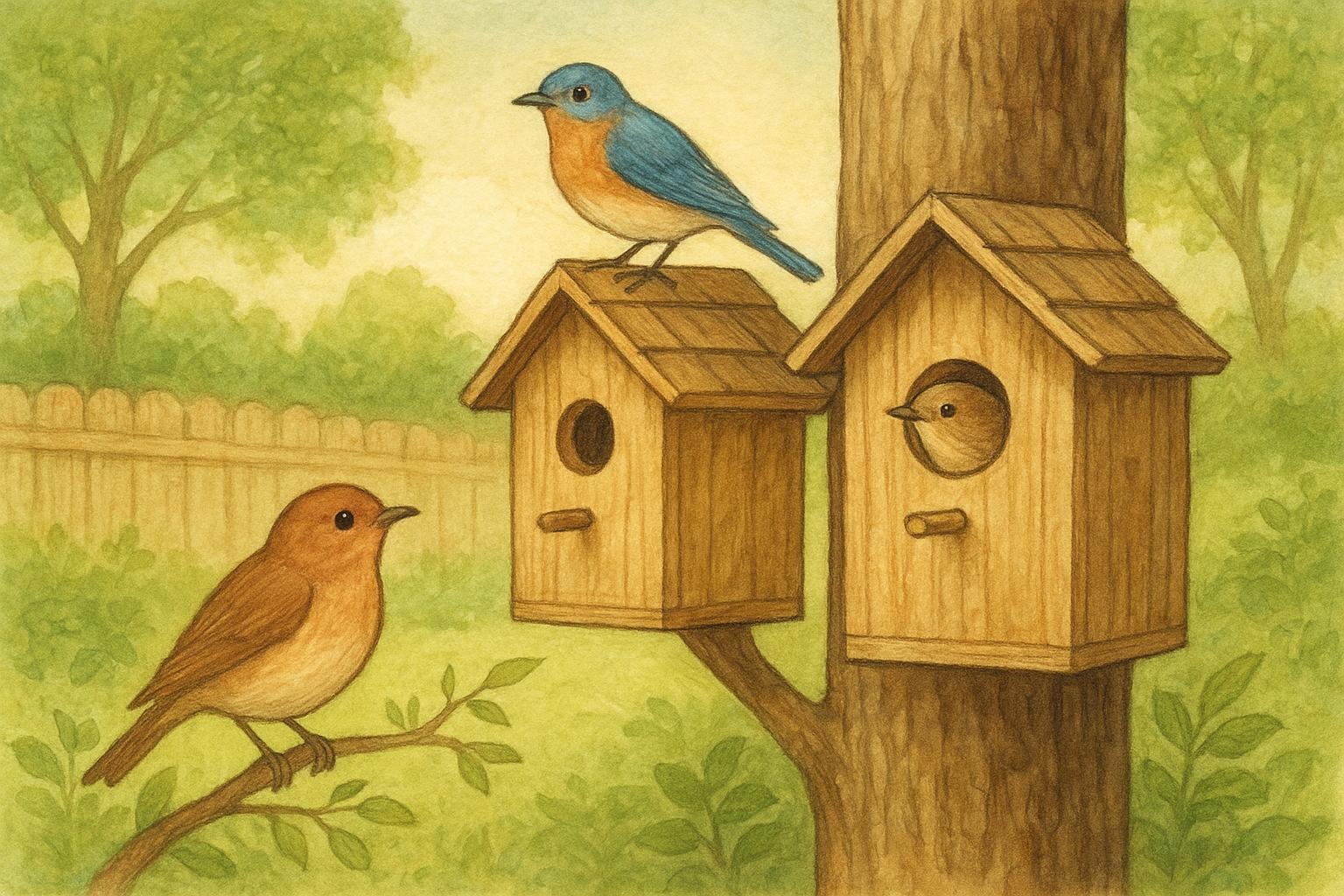
Predators such as birds, bats, and parasitic wasps are valuable allies. Planting native shrubs for nesting birds, providing bat boxes, and avoiding insecticides will foster a balanced backyard community that keeps most moth populations in check naturally.
Recording notes, planting thoughtfully, and using targeted remedies when necessary will let you enjoy the subtle drama of the moth life cycle in your backyard—without opening a moth-themed disaster movie in your closet.


Leave a Reply